
Expert, Mobile Hyundai i10 ADAS Calibration and Repair Services
Need ADAS Calibration for your Hyundai i10? Bang AutoGlass helps restore your driver-assistance safety systems with vehicle-specific camera and sensor recalibration—often needed after windshield replacement, collision repairs, wheel alignment, or any work near ADAS components. We identify the proper static and/or dynamic procedure for your exact Hyundai i10 setup and verify completion so features like lane keeping, adaptive cruise, and automatic emergency braking operate as designed.
Mobile Calibration (When Eligible)
If your Hyundai i10 allows it, we can perform ADAS Calibration at your home or office using professional diagnostic tools and portable calibration equipment; if your vehicle requires a controlled environment or a specific road-test drive cycle, we’ll schedule the best option and coordinate everything for you.
Fast Scheduling
Book online in minutes and grab the soonest available time—next-day hyundai i10 ADAS calibration appointments are often available.
OEM-Guided Procedures
We follow vehicle-specific service information and requirements (including precise target placement, lighting/space needs, and scan-tool steps) to calibrate forward-facing cameras and other sensors on your Hyundai i10.
Calibration Report Included
You’ll receive documented results (including diagnostic scans when applicable) and confirmation of calibration completion—useful for peace of mind, resale documentation, and insurance or repair records.
Insurance & Repair Coordination
ADAS Calibration is commonly required as part of a glass or collision repair process. We can coordinate with your insurer and any repair partner to confirm what’s needed for your Hyundai i10 and keep the paperwork simple.
Upfront Pricing & Free Quotes
ADAS calibration pricing can vary by trim level, sensor package, and whether your Hyundai i10 needs static, dynamic, or both. We’ll confirm requirements and provide a clear, upfront quote before you commit—no surprise fees.
Other Auto Glass & ADAS Services
Need something beyond ADAS Calibration for your Hyundai i10? Bang AutoGlass offers convenient mobile auto glass and safety-system support so you can restore visibility, secure your vehicle, and keep driver-assistance features working properly without a shop visit. Ask about windshield chip repair, windshield replacement (with camera recalibration when required), door/side glass replacement, rear/back glass replacement, quarter glass, and window issues like glass that won’t go up/down (regulator or motor problems). If your Hyundai i10 has ADAS warning lights after a repair, we can help with diagnostics, determine whether static and/or dynamic calibration is needed, and guide you to the right next steps.
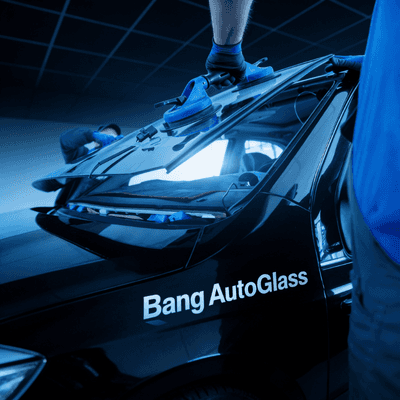
How Our Mobile Hyundai i10 ADAS Calibration Service Works
From scheduling to calibration day, we make ADAS Calibration for your Hyundai i10 simple and safety-first—verify your exact ADAS package, run diagnostic scans, complete the required static and/or dynamic calibration using OEM-guided procedures, and release the vehicle only after calibration is confirmed and documented.
Step 1
Schedule Service
Pick a time and share your hyundai i10 details (year/trim, VIN if available, recent repairs like windshield replacement or wheel alignment, and your location). We’ll use that info to confirm what calibration method your vehicle requires and whether mobile service is eligible.
Step 2
Confirmation Call
A team member confirms your Hyundai i10’s safety tech (forward-facing camera, radar, rain/light sensors, HUD, lane-keep/adaptive cruise features), explains whether it needs static, dynamic, or dual calibration, and provides a clear upfront quote (and if you’re using insurance, we’ll help coordinate the claim/repair documentation).
Step 3
Installation Day
On-site, we perform a pre-scan for diagnostic trouble codes, verify prerequisites that can affect accuracy (proper tire pressure, clean camera view, stable battery voltage, and any required “ready” conditions), then complete calibration using the correct targets/measurements for static procedures and the correct road-test drive cycle when dynamic calibration is required—followed by a post-scan and verification.
Step 4
Post-Care Instructions
Before you drive away, we share your calibration results/report and quick guidance for keeping systems operating correctly (for example: avoid suspension/ride-height changes and get recalibrated after wheel alignment or collision repairs if ADAS warnings return), so features like lane keeping, adaptive cruise, and automatic emergency braking perform as intended.
All Insurance Companies Accepted
Whether you’re paying out of pocket or filing a claim, we make ADAS Calibration for your Hyundai i10 straightforward. ADAS calibration (windshield camera recalibration) is commonly required after windshield replacement, collision repairs, wheel alignment, or any work that affects camera/sensor mounting—and depending on your policy and state it may be eligible under comprehensive glass coverage or as part of a collision repair claim (coverage and deductibles vary). We’ll help you verify benefits, start the claim if needed, provide the documentation insurers often request (scan results and calibration confirmation), and coordinate billing so you can get scheduled fast. We regularly work with major carriers like GEICO, Progressive, State Farm, USAA, Allstate, American Family, Infinity, Direct Auto, HiRoad, The General, AAA, Dairyland, and more.











Frequently Asked Questions
Here are quick, straightforward answers to the most common questions about ADAS Calibration for a Hyundai i10—including when calibration is required, static vs. dynamic procedures, timing, mobile eligibility, and insurance.
Hyundai i10 ADAS Calibration Guides, ADAS Calibration FAQs & Safety Tips
Explore our practical guides for Hyundai i10 ADAS Calibration—built to help you understand when windshield camera calibration is required and how to protect your driver-assistance features long-term. We cover when calibration is needed after windshield replacement, collision repair, wheel alignment, or suspension changes; static vs. dynamic calibration basics; what to expect on service day (pre-scan/post-scan and verification); common ADAS warning signs and troubleshooting; insurance/claim documentation tips; and simple maintenance advice like keeping the camera area clean and addressing misalignment symptoms early to help systems like lane keeping, adaptive cruise, and automatic emergency braking perform as intended.
Ready to Schedule Hyundai i10 ADAS Calibration?
Schedule Hyundai i10 ADAS Calibration in minutes—get an upfront quote, confirm the correct ADAS package for your exact year/trim (VIN preferred), and we’ll complete the required static and/or dynamic calibration with documented verification. If mobile calibration is eligible for your Hyundai i10, we’ll come to you; if your vehicle requires a controlled setup or specific drive cycle, we’ll coordinate the best option so it’s calibrated correctly the first time.
Signs It’s Time to Schedule Hyundai i10 ADAS Calibration
ADAS Calibration (windshield camera/ADAS recalibration) is often needed anytime your Hyundai i10’s cameras, radar, or vehicle geometry are disturbed—especially after windshield replacement, front-end repairs, wheel alignment, suspension/ride-height changes, or when ADAS warnings/behavior feel “off.” Because some systems can be out of specification without an obvious dash light, the safest approach is to confirm requirements for your exact year/trim and calibrate using the correct static and/or dynamic OEM procedure.
Windshield Replacement or Front-End Repairs
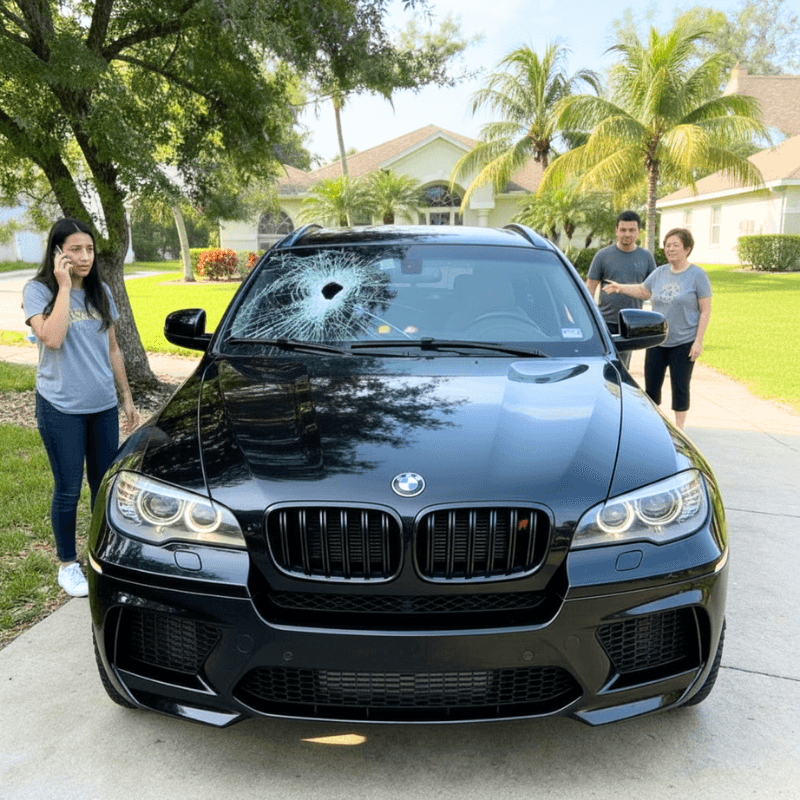
If your hyundai i10 recently had a windshield replaced, camera bracket serviced, bumper/grille work, or any collision repair near sensors, schedule ADAS Calibration—even tiny changes in mounting position, angle, or optical path can affect how the system interprets lane markings and distance.
Wheel Alignment or Suspension Changes
After an alignment, new tires, suspension work, or ride-height changes on your Hyundai i10, ADAS Calibration may be required because vehicle geometry and sensor aim references can shift, which can impact lane keep, adaptive cruise, and collision warnings.
ADAS Warning Lights or Fault Codes
If your Hyundai i10 shows ADAS-related dash warnings, calibration/aiming trouble codes, or features are disabled after a repair, ADAS Calibration is often part of the correct fix—typically paired with pre-scan/post-scan verification and documented results.
Features Feel Inaccurate or Inconsistent
If lane keep drifts, adaptive cruise feels jumpy, you get false forward-collision alerts, or the system behaves inconsistently on clear roads, it’s a sign your Hyundai i10 may need ADAS Calibration (or a diagnostic check) to restore proper targeting and confirm the system is operating as designed.
Expert, Mobile Hyundai i10 ADAS Calibration and Repair Services
Need ADAS Calibration for your Hyundai i10? Bang AutoGlass helps restore your driver-assistance safety systems with vehicle-specific camera and sensor recalibration—often needed after windshield replacement, collision repairs, wheel alignment, or any work near ADAS components. We identify the proper static and/or dynamic procedure for your exact Hyundai i10 setup and verify completion so features like lane keeping, adaptive cruise, and automatic emergency braking operate as designed.
Mobile Calibration (When Eligible)
If your Hyundai i10 allows it, we can perform ADAS Calibration at your home or office using professional diagnostic tools and portable calibration equipment; if your vehicle requires a controlled environment or a specific road-test drive cycle, we’ll schedule the best option and coordinate everything for you.
Fast Scheduling
Book online in minutes and grab the soonest available time—next-day hyundai i10 ADAS calibration appointments are often available.
OEM-Guided Procedures
We follow vehicle-specific service information and requirements (including precise target placement, lighting/space needs, and scan-tool steps) to calibrate forward-facing cameras and other sensors on your Hyundai i10.
Calibration Report Included
You’ll receive documented results (including diagnostic scans when applicable) and confirmation of calibration completion—useful for peace of mind, resale documentation, and insurance or repair records.
Insurance & Repair Coordination
ADAS Calibration is commonly required as part of a glass or collision repair process. We can coordinate with your insurer and any repair partner to confirm what’s needed for your Hyundai i10 and keep the paperwork simple.
Upfront Pricing & Free Quotes
ADAS calibration pricing can vary by trim level, sensor package, and whether your Hyundai i10 needs static, dynamic, or both. We’ll confirm requirements and provide a clear, upfront quote before you commit—no surprise fees.
Other Auto Glass & ADAS Services
Need something beyond ADAS Calibration for your Hyundai i10? Bang AutoGlass offers convenient mobile auto glass and safety-system support so you can restore visibility, secure your vehicle, and keep driver-assistance features working properly without a shop visit. Ask about windshield chip repair, windshield replacement (with camera recalibration when required), door/side glass replacement, rear/back glass replacement, quarter glass, and window issues like glass that won’t go up/down (regulator or motor problems). If your Hyundai i10 has ADAS warning lights after a repair, we can help with diagnostics, determine whether static and/or dynamic calibration is needed, and guide you to the right next steps.
How Our Mobile Hyundai i10 ADAS Calibration Service Works
From scheduling to calibration day, we make ADAS Calibration for your Hyundai i10 simple and safety-first—verify your exact ADAS package, run diagnostic scans, complete the required static and/or dynamic calibration using OEM-guided procedures, and release the vehicle only after calibration is confirmed and documented.
Step 1
Schedule Service
Pick a time and share your hyundai i10 details (year/trim, VIN if available, recent repairs like windshield replacement or wheel alignment, and your location). We’ll use that info to confirm what calibration method your vehicle requires and whether mobile service is eligible.
Step 2
Confirmation Call
A team member confirms your Hyundai i10’s safety tech (forward-facing camera, radar, rain/light sensors, HUD, lane-keep/adaptive cruise features), explains whether it needs static, dynamic, or dual calibration, and provides a clear upfront quote (and if you’re using insurance, we’ll help coordinate the claim/repair documentation).
Step 3
Installation Day
On-site, we perform a pre-scan for diagnostic trouble codes, verify prerequisites that can affect accuracy (proper tire pressure, clean camera view, stable battery voltage, and any required “ready” conditions), then complete calibration using the correct targets/measurements for static procedures and the correct road-test drive cycle when dynamic calibration is required—followed by a post-scan and verification.
Step 4
Post-Care Instructions
Before you drive away, we share your calibration results/report and quick guidance for keeping systems operating correctly (for example: avoid suspension/ride-height changes and get recalibrated after wheel alignment or collision repairs if ADAS warnings return), so features like lane keeping, adaptive cruise, and automatic emergency braking perform as intended.
All Insurance Companies Accepted
Whether you’re paying out of pocket or filing a claim, we make ADAS Calibration for your Hyundai i10 straightforward. ADAS calibration (windshield camera recalibration) is commonly required after windshield replacement, collision repairs, wheel alignment, or any work that affects camera/sensor mounting—and depending on your policy and state it may be eligible under comprehensive glass coverage or as part of a collision repair claim (coverage and deductibles vary). We’ll help you verify benefits, start the claim if needed, provide the documentation insurers often request (scan results and calibration confirmation), and coordinate billing so you can get scheduled fast. We regularly work with major carriers like GEICO, Progressive, State Farm, USAA, Allstate, American Family, Infinity, Direct Auto, HiRoad, The General, AAA, Dairyland, and more.
Frequently Asked Questions
Here are quick, straightforward answers to the most common questions about ADAS Calibration for a Hyundai i10—including when calibration is required, static vs. dynamic procedures, timing, mobile eligibility, and insurance.
Hyundai i10 ADAS Calibration Guides, ADAS Calibration FAQs & Safety Tips
Explore our practical guides for Hyundai i10 ADAS Calibration—built to help you understand when windshield camera calibration is required and how to protect your driver-assistance features long-term. We cover when calibration is needed after windshield replacement, collision repair, wheel alignment, or suspension changes; static vs. dynamic calibration basics; what to expect on service day (pre-scan/post-scan and verification); common ADAS warning signs and troubleshooting; insurance/claim documentation tips; and simple maintenance advice like keeping the camera area clean and addressing misalignment symptoms early to help systems like lane keeping, adaptive cruise, and automatic emergency braking perform as intended.
Ready to Schedule Hyundai i10 ADAS Calibration?
Schedule Hyundai i10 ADAS Calibration in minutes—get an upfront quote, confirm the correct ADAS package for your exact year/trim (VIN preferred), and we’ll complete the required static and/or dynamic calibration with documented verification. If mobile calibration is eligible for your Hyundai i10, we’ll come to you; if your vehicle requires a controlled setup or specific drive cycle, we’ll coordinate the best option so it’s calibrated correctly the first time.
Signs It’s Time to Schedule Hyundai i10 ADAS Calibration
ADAS Calibration (windshield camera/ADAS recalibration) is often needed anytime your Hyundai i10’s cameras, radar, or vehicle geometry are disturbed—especially after windshield replacement, front-end repairs, wheel alignment, suspension/ride-height changes, or when ADAS warnings/behavior feel “off.” Because some systems can be out of specification without an obvious dash light, the safest approach is to confirm requirements for your exact year/trim and calibrate using the correct static and/or dynamic OEM procedure.
Spreading Cracks
If a crack is growing or branching, repair usually won’t hold. Windshield replacement restores strength and helps prevent sudden failure from temperature changes or road vibration.
Edge Damage
Cracks near the edge weaken the windshield’s structural support and are more likely to spread. For safety, edge cracks typically require replacement rather than chip repair.
Vision Distortion
Haze, waviness, or distortion in your line of sight can reduce visibility—especially at night or in rain. Replacement helps restore a clear view and safer driving.
Heavy Pitting
Sand and debris can “pit” the glass, causing glare and poor wiper performance. If pitting is severe, replacing the windshield improves clarity and reduces headlight glare.
Bang AutoGlass
Quick Links
Services
Auto Glass Services by Makes & Models
Customers
Insurance Companies
Mailing Address
936 SW 1st Ave PMB 877 Miami Florida, 33130
Sales: Monday - Sunday , 24/7
Support: Monday - Friday , 10am to 7pm





Bang AutoGlass
Quick Links
Services
Auto Glass Services by Makes & Models
Customers
Insurance Companies
Mailing Address
936 SW 1st Ave PMB 877 Miami Florida, 33130
Sales: Monday - Sunday , 24/7
Support: Monday - Friday , 10am to 7pm
Bang AutoGlass
Quick Links
Services
Auto Glass Services by Makes & Models
Customers
Insurance Companies
Mailing Address
936 SW 1st Ave PMB 877 Miami Florida, 33130
Sales: Monday - Sunday , 24/7
Support: Monday - Friday , 10am to 7pm