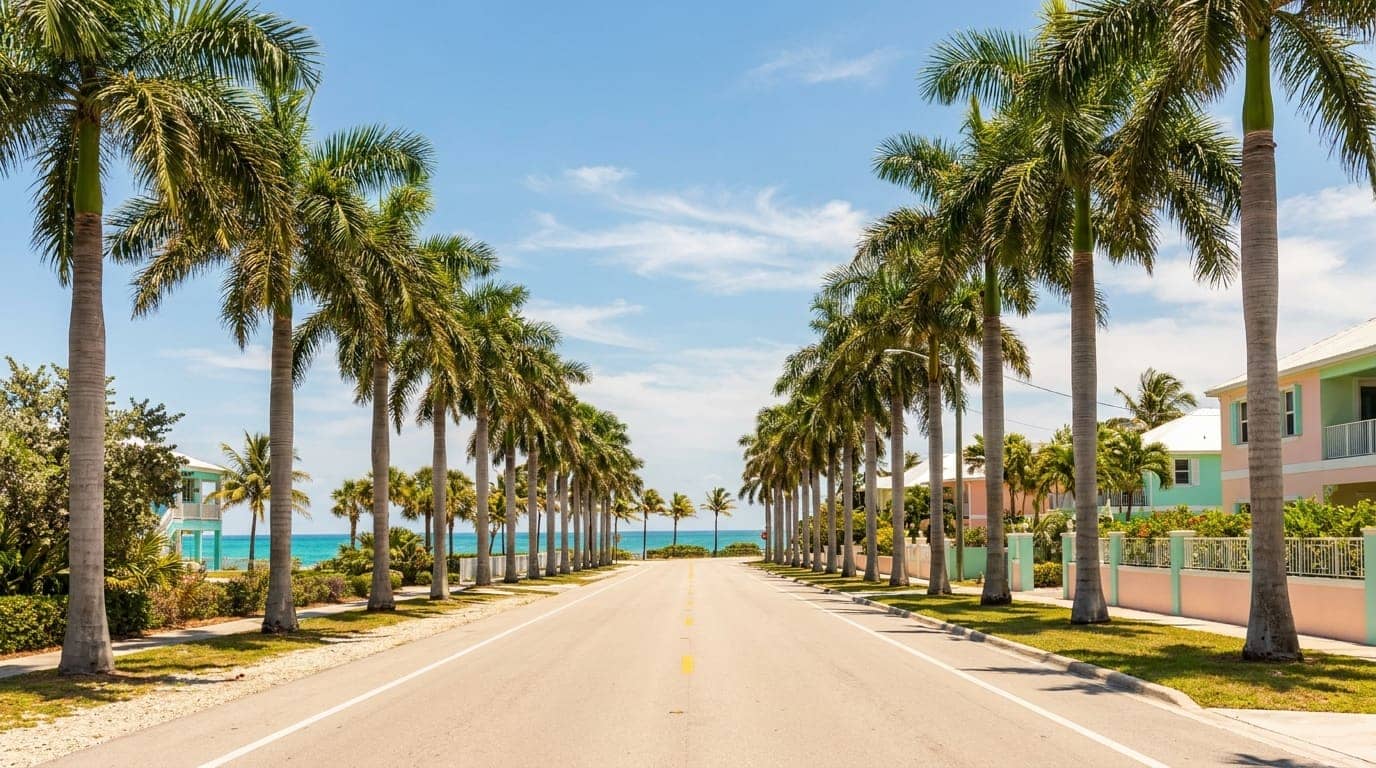
Windshield Replacement in Cocoa Beach, FL
Along A1A, near the pier, and throughout the coastal roads by the Atlantic, windshield damage can interrupt beachside driving fast. Bang AutoGlass provides mobile windshield replacement and auto glass services for drivers who need trusted local service.
Mobile service throughout Cocoa Beach, Florida — we come to your home, your work, or the roadside.
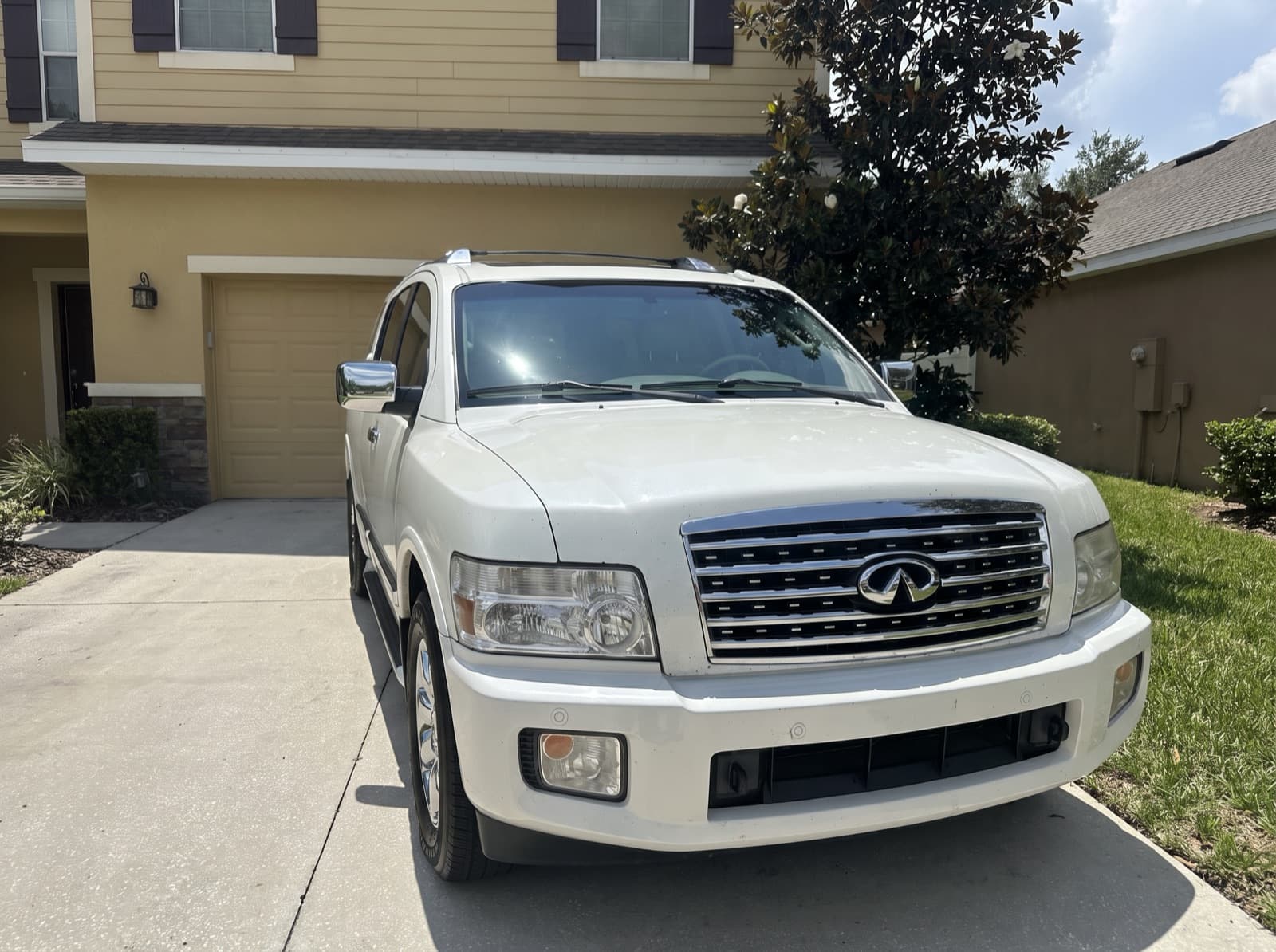
Where we come to you in Cocoa Beach
Home & driveway
The most common appointment in Cocoa Beach: the van parks in your driveway or at the curb, and you stay inside while the glass is replaced. Most jobs take 30–45 minutes.
Work & office lots
Office parks, garages with clearance, retail and campus lots — we meet you where the car is parked. Gated community or controlled lot? Just mention it when you book.
Roadside
Cracked glass doesn't wait for a convenient address. All the crew needs is a flat, level spot with room to open both front doors.
No shop, no waiting room — the shop comes to you. How mobile auto glass service works →
What to expect when we come to you in Cocoa Beach
Windshield Replacement and Auto Glass Services in Cocoa Beach, Florida
Living and driving in Cocoa Beach comes with its own unique set of challenges, and your windshield often takes the brunt of them. From the salty Atlantic air rolling in off the coast to the sand and shell debris kicked up along North Atlantic Avenue, your auto glass is constantly under attack. At Bang AutoGlass, we provide professional mobile windshield replacement and complete auto glass services throughout Cocoa Beach and the surrounding Space Coast communities. Whether you live near the Cocoa Beach Pier, work along State Road 520, or commute daily across the Banana River, our team is ready to bring expert auto glass service directly to your driveway, office, or beachside parking spot.
We understand that no two cracks or chips are the same, and neither is any vehicle. That is why our mobile technicians arrive fully equipped to handle everything from a basic windshield replacement on a daily driver to ADAS calibration on a late-model SUV. With next-day appointments, lifetime workmanship warranties, and OEM-quality glass, getting back on the road in Cocoa Beach has never been easier.
The Cocoa Beach Climate and Why It Matters for Your Auto Glass
Cocoa Beach sits right on the Atlantic, bordered by the Banana River to the west and stretching from Cape Canaveral down toward Patrick Space Force Base. That coastal positioning makes for some of the best surfing and beach views in Florida, but it also means your vehicle is exposed to conditions that wear out auto glass faster than you might expect. Salt-laden air seeps into tiny windshield chips and accelerates corrosion around the glass frame. Intense Florida UV bakes the urethane adhesive over the years, and summer thunderstorms send sand and palm debris flying across A1A and Minutemen Causeway. If you have noticed a small chip near the edge of your windshield, the Cocoa Beach climate will turn it into a full crack faster than almost anywhere else in the state.
Heat, Humidity, and Hurricane Season
Brevard County summers bring afternoon storms that can swing the temperature on your windshield by 30 degrees in just a few minutes. That kind of rapid expansion and contraction stresses already-weakened glass and is one of the most common reasons Cocoa Beach drivers end up needing a full windshield replacement. Hurricane season adds another layer of risk, with high winds throwing branches, signage, and roadway debris into the path of your vehicle. Replacing a compromised windshield before storm season is one of the smartest moves any Space Coast driver can make.
Common Causes of Windshield Damage in Cocoa Beach
Local drivers tend to deal with a fairly predictable list of windshield hazards. Knowing what is most likely to crack your glass can help you prepare and respond before a small chip becomes an expensive emergency.
- Loose gravel and shell fragments along South Atlantic Avenue and SR 520
- Sand carried by ocean winds, which slowly etches and weakens the glass surface
- Construction debris near growing developments around Cape Canaveral and Merritt Island
- Sudden temperature shifts between air-conditioned garages and sun-baked parking lots near Ron Jon Surf Shop or Lori Wilson Park
- Wildlife strikes from birds, especially near the Thousand Islands and the Banana River Lagoon
Even a small chip from any of these causes can spread quickly, especially when you cross a bridge or hit a bump along the older sections of A1A. The sooner you call, the more options you have, and in many cases we can save your existing glass with a quick repair instead of a full replacement.
Knowing when a crack means full replacement
When a chip becomes a crack longer than a few inches, spreads into your line of sight, or reaches the edge of the windshield, repair is no longer a safe option and replacement becomes the right call. Bang AutoGlass provides full mobile windshield replacement services anywhere in Cocoa Beach, from the residential streets off North Atlantic Avenue to the commercial corridors near Minutemen Causeway and Cape Canaveral. Our technicians use OEM-quality glass that matches the fit, optics, and safety performance of your original windshield, paired with high-grade urethane adhesive rated for Florida heat and humidity.
What to Expect During Your Mobile Windshield Replacement
Most windshield replacements take just 30 to 45 minutes from start to finish. After the new glass is installed, we recommend allowing about one hour for the adhesive to cure properly before driving the vehicle. During that cure time, you can stay close, work from your laptop on your porch, or grab a coffee at one of the cafes near Downtown Cocoa Beach while we wrap things up. Because we are a fully mobile service, you do not have to rearrange your day or sit in a waiting room — we come to you.
Next-Day Appointments for Cocoa Beach Drivers
We know a cracked windshield rarely happens at a convenient time. Whether you noticed it on the way home from work in Port Canaveral or after a weekend trip out to the Kennedy Space Center area, we offer next-day appointments across Cocoa Beach so you can get back on the road quickly. A scheduled replacement on your timeline is always safer than driving around with a damaged windshield, especially in an area with as much daily debris exposure as the Space Coast.
Auto Glass Services Beyond the Windshield
Windshield replacement is the core of what we do, but it is far from the only glass on your vehicle that can be damaged. We provide a complete range of auto glass services for Cocoa Beach drivers, covering every major piece of glass on cars, trucks, SUVs, and vans.
Door Glass Replacement in Cocoa Beach
Door glass tends to break in two main scenarios — break-ins and accidental impacts. Cocoa Beach sees a steady flow of tourists, beachgoers, and rental traffic, particularly near the Cocoa Beach Pier, Sidney Fischer Park, and Shepard Park, and unfortunately, that visibility makes parked vehicles a target for smash-and-grab incidents. Whether your driver's side window was shattered overnight in a parking lot or accidentally cracked during a tailgate, our mobile team can remove the broken pieces, vacuum out the door panel and interior, and install new OEM-quality door glass right where your vehicle is parked.
Quarter Glass Replacement
Quarter glass — those smaller, fixed panes located behind your rear doors or near the back pillars — is often overlooked until it is damaged. Because quarter glass is uniquely shaped for each vehicle, sourcing the correct piece quickly matters. We carry strong supplier relationships across Brevard County and can typically have a matching quarter glass panel ready for installation within a day. Our team handles the careful removal of trim, weatherstripping, and any related hardware, ensuring a clean and watertight final result.
Rear Glass Replacement
Rear windshields, also called back glass, are far more complex than they look. Most rear windows include defroster lines, embedded antennas, and sometimes brake light wiring that all have to be reconnected properly. After break-ins, accidents, or stress fractures caused by the Cocoa Beach heat, a rear glass replacement needs to be done right the first time to keep your defroster working and prevent water leaks during summer storms. Our technicians take the time to clean the channel completely, reset all electrical connections, and verify a proper seal before we consider the job complete.
Sunroof Glass Replacement
Sunroof glass takes a beating in coastal Florida. Constant sun exposure, sand, and the occasional palm frond can crack or shatter sunroof panels with little warning. We replace both fixed panoramic sunroof glass and traditional sliding sunroofs, using OEM-quality glass that matches your factory tint and weatherproofing. Sunroof work is precision work — improper installation can lead to leaks, wind noise, and electrical issues — so trusting a specialist matters.
ADAS Calibration in Cocoa Beach
Advanced Driver Assistance Systems, or ADAS, are now standard on most vehicles built in the last several years. Lane departure warnings, automatic emergency braking, adaptive cruise control, and forward collision alerts all rely on cameras and sensors mounted to or behind your windshield. Anytime that windshield is replaced, those systems need to be recalibrated to function properly. Driving around Cocoa Beach with a windshield replaced but uncalibrated ADAS is a real safety risk, especially on busy stretches like A1A near rush hour or along the SR 520 causeway.
Why ADAS Calibration Matters
Even a fraction of a degree off in camera alignment can cause your vehicle's safety features to misread the road. That might mean a lane keep assist that drifts at the wrong moment, automatic braking that triggers too late, or adaptive cruise control that follows the car ahead too closely. We perform ADAS calibration as part of windshield replacement whenever your vehicle requires it, ensuring every safety system works exactly as the manufacturer intended before we leave your driveway.
Fleet Auto Glass Services for Cocoa Beach Businesses
Cocoa Beach is home to a wide range of small businesses, contractors, rental operators, and service companies that depend on their vehicles every single day. Downtime is expensive, and chasing repairs one vehicle at a time across multiple shops is even more expensive. Bang AutoGlass offers fleet auto glass services for Cocoa Beach businesses, from a handful of vans operating around the Cocoa Beach Country Club to larger fleets running between Port Canaveral, Cape Canaveral, and Patrick Space Force Base.
Flexible Scheduling for Fleet Operations
We work with fleet managers to schedule mobile windshield replacement, door glass repair, and ADAS calibration during off-peak hours so vehicles stay productive during your busiest times. Whether your fleet includes delivery vans, contractor trucks, or beach rental shuttles, we can build a service plan that minimizes downtime and keeps your team on the road. The lifetime workmanship warranty covers every fleet job, just like our individual customer work, and OEM-quality glass is standard on every install.
Mobile Auto Glass Service Across Cocoa Beach
The whole point of our service is convenience. Cocoa Beach is a small but spread-out community, and asking a customer to drive 30 minutes inland to drop off a vehicle with a cracked windshield never made sense to us. That is why we built Bang AutoGlass as a fully mobile operation. We come to your home, office, hotel, or parking lot — anywhere it is safe to park and work.
Cocoa Beach Neighborhoods and Areas We Serve
Our mobile auto glass technicians service the entire Cocoa Beach area and the surrounding Space Coast region. Common service locations include North Cocoa Beach near the Cocoa Beach Country Club, the residential streets around Lori Wilson Park, the condos along South Atlantic Avenue, the commercial district around Minutemen Causeway and Downtown Cocoa Beach, and the beachside neighborhoods running south toward Patrick Space Force Base. We also frequently service customers in nearby Cape Canaveral, Cocoa, Rockledge, Merritt Island, Satellite Beach, and along the SR 520 corridor.
How Our Mobile Service Works
Booking a mobile appointment is straightforward. Once we have confirmed your vehicle details, scheduled your time slot, and verified the correct glass for your make and model, our technician arrives at the location of your choice with everything needed to complete the job on site. Here is how a typical Cocoa Beach mobile appointment unfolds:
- Our technician arrives and confirms the damage and replacement plan with you.
- We protect your interior, paint, and surrounding trim with covers and tape.
- The damaged glass is carefully removed and the pinch weld is cleaned and prepped.
- New OEM-quality glass is installed using premium urethane adhesive.
- ADAS calibration is performed if required for your vehicle.
- We allow approximately one hour for the adhesive to cure before the vehicle is driven.
The whole appointment, from arrival to final cleanup, is usually wrapped up in well under two hours, with the actual replacement taking just 30 to 45 minutes of that time.
Insurance and Claims Assistance in Cocoa Beach
Many Florida auto insurance policies include comprehensive coverage that pays for windshield replacement, often with little or no deductible. If you have never filed a glass claim before, the process can feel intimidating, but it does not need to be. While Bang AutoGlass does not file claims directly on behalf of customers, we do assist you through every step of the process so you feel confident moving forward.
How We Help You File a Claim
We can walk you through what information your insurance company will ask for, including your policy number, the date of damage, and the type of glass that needs to be replaced. We will also help you understand what to expect during the claim, including any deductible discussions, glass coverage specifics under Florida law, and how the payment to our shop will be handled. Our goal is to make the claims side of your windshield replacement as smooth as the installation itself.
Why Cocoa Beach Drivers Choose Bang AutoGlass
There are a handful of auto glass options scattered across Brevard County, but Cocoa Beach drivers continue to choose Bang AutoGlass for a few specific reasons.
Lifetime Workmanship Warranty on Every Job
Every windshield replacement, door glass install, quarter glass repair, rear glass replacement, and sunroof job we complete comes with a lifetime workmanship warranty. That means as long as you own the vehicle, if any issue ever arises with the installation work itself — leaks, wind noise, or trim issues — we will make it right at no additional cost.
OEM-Quality Glass and Materials
We use OEM-quality glass on every replacement. That means the fit, optical clarity, thickness, and safety standards meet what your vehicle's manufacturer originally specified. Combined with high-grade urethane adhesives rated for Florida heat, salt, and humidity, the result is a finished installation that holds up year after year on the Space Coast.
Fast, Convenient, Mobile Service
With 30 to 45 minute replacement times, a one-hour adhesive cure window, next-day appointments, and complete mobile service throughout Cocoa Beach, we make auto glass repair and replacement as painless as it can possibly be. There is no waiting room, no dropping off your car for the day, and no rearranging your life around a broken windshield.
Schedule Your Cocoa Beach Auto Glass Service Today
Whether you have a fresh chip from a piece of gravel on SR 520, a shattered rear window after a break-in near the Cocoa Beach Pier, or a fleet of vehicles in need of regular auto glass maintenance, Bang AutoGlass is ready to help. Our mobile technicians cover every corner of Cocoa Beach and the surrounding Space Coast communities, and our next-day appointments make it simple to get back on the road quickly and safely. Reach out today using the contact information or quick sign-up form above to book your windshield replacement, door glass repair, quarter glass replacement, rear glass replacement, sunroof glass replacement, ADAS calibration, fleet service, or any other auto glass need in Cocoa Beach, Florida.
Will yours be $0?
What Florida law actually says about your deductible — in plain English.
Arizona has an optional $0-glass add-on.
With the optional zero-deductible glass coverage (A.R.S. § 20-264) it's often $0 — otherwise your comprehensive deductible applies.
General info, not legal or insurance advice. We confirm your exact policy — free — before any work.
Full details for Florida drivers: Florida auto glass insurance guide →
Auto glass services in Cocoa Beach
Florida drivers: windshield replacement is often $0 out of pocket with the right coverage. We verify your policy free, before any work.
Check my coverageWindshield replacement questions from drivers in Cocoa Beach
Does Bang AutoGlass offer mobile windshield replacement in Cocoa Beach?+
Yes, we come directly to your location in Cocoa Beach for windshield replacement. We're mobile-only, so we bring the service to you and typically have next-day appointments available.
How much does windshield replacement cost in Florida?+
Cost depends on your vehicle and glass type, but Florida law waives the deductible for windshield replacement with comprehensive coverage, so many drivers pay nothing out of pocket. We provide a clear quote and help you with your claim.
How long does windshield replacement take in Cocoa Beach?+
Replacement typically takes 30–45 minutes to complete, then time for the adhesive to set — about an hour is typical, and your technician confirms the exact safe drive-away time. If your vehicle has ADAS technology, calibration adds about 15–30 minutes.
What warranty does Bang AutoGlass offer in Cocoa Beach, Florida?+
We provide a lifetime workmanship warranty on every windshield replacement, so you're covered for the life of your vehicle. Our OEM-quality glass and professional installation give you peace of mind.
Will you deal with my insurance company?+
Yes — we verify your coverage free before any work, file the claim start to finish, and bill the insurer directly. All insurance companies accepted.
Does my car need ADAS recalibration with a new windshield?+
If your vehicle's camera-based safety systems require it, we recalibrate to factory spec as part of the replacement.
How fast can you get to me in Cocoa Beach?+
Next-day availability in most areas. New appointments can be booked 24/7 at (877) 994-5277; installs run Mon–Sat, 8am–6pm.
Serving Cocoa Beach, Florida
Mobile auto glass that comes to you anywhere in Cocoa Beach — home, work, or roadside.
Installs Mon–Sat, 8am–6pm · New appointments 24/7 at (877) 994-5277 · Hablamos español.
4.8★ on Google · 350+ reviews from AZ & FL drivers
“I needed my windshield replaced and they made the entire process easy. Bang AutoGlass is the best!”
“Bang AutoGlass made my windshield replacement simple from start to finish.”
“The team was professional, friendly, and efficient from the first call to the finished job.”