Windshield Replacement in Dunedin, FL
Around Main Street, the marina, the causeway, and the waterfront roads near the Gulf, cracked auto glass can make local driving less comfortable and less safe. Bang AutoGlass provides mobile windshield replacement and auto glass services for drivers who want trusted service nearby.
Mobile service throughout Dunedin, Florida — we come to your home, your work, or the roadside.
Dunedin is part of our Tampa Bay service area — local line (727) 270-8521.
Where we come to you in Dunedin
Home & driveway
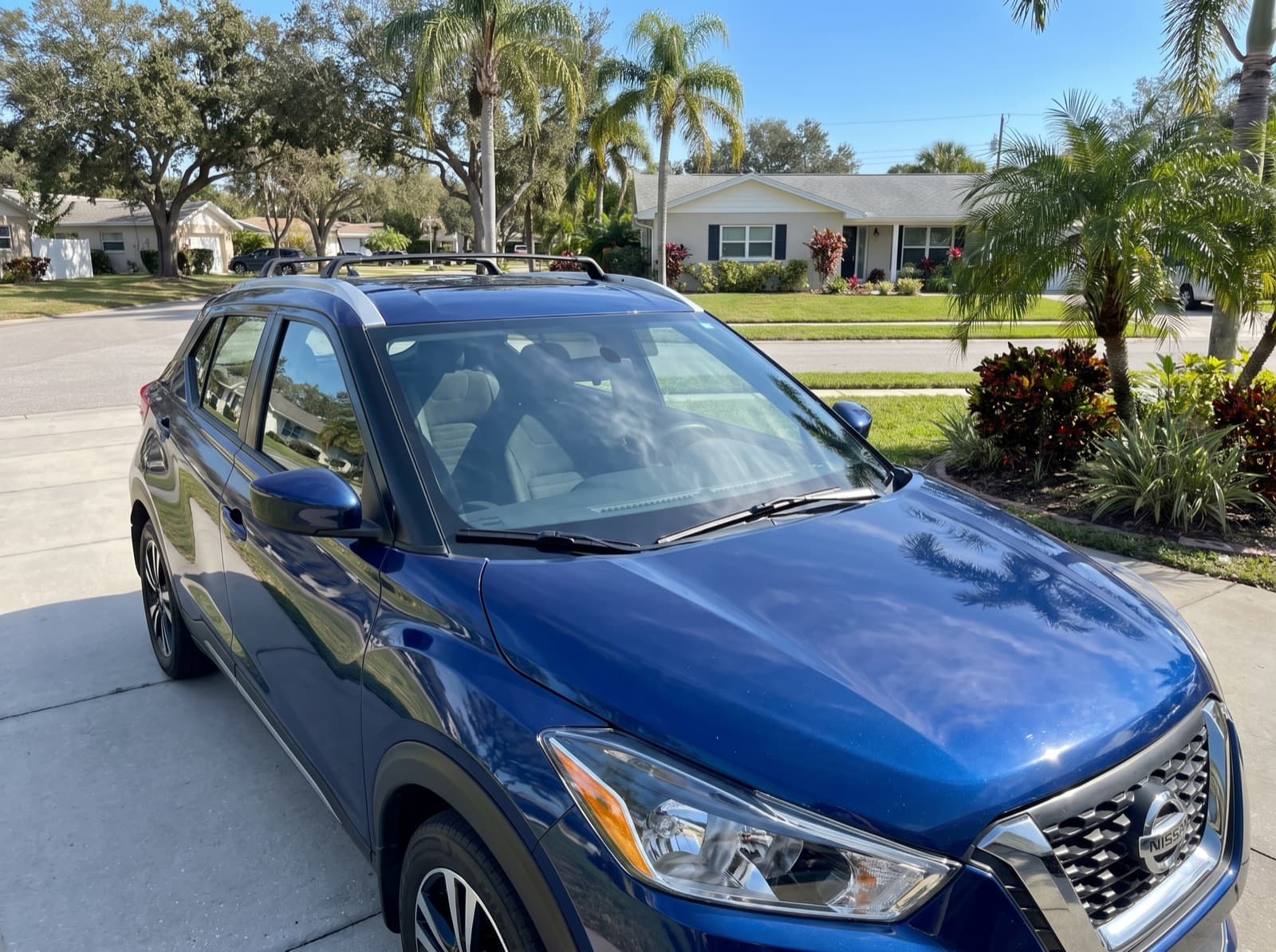
The most common appointment in Dunedin: the van parks in your driveway or at the curb, and you stay inside while the glass is replaced. Most jobs take 30–45 minutes.
Work & office lots
Office parks, garages with clearance, retail and campus lots — we meet you where the car is parked. Gated community or controlled lot? Just mention it when you book.
Roadside
Cracked glass doesn't wait for a convenient address. All the crew needs is a flat, level spot with room to open both front doors.
No shop, no waiting room — the shop comes to you. How mobile auto glass service works →
What to expect when we come to you in Dunedin
Windshield Replacement and Auto Glass Services in Dunedin, FL
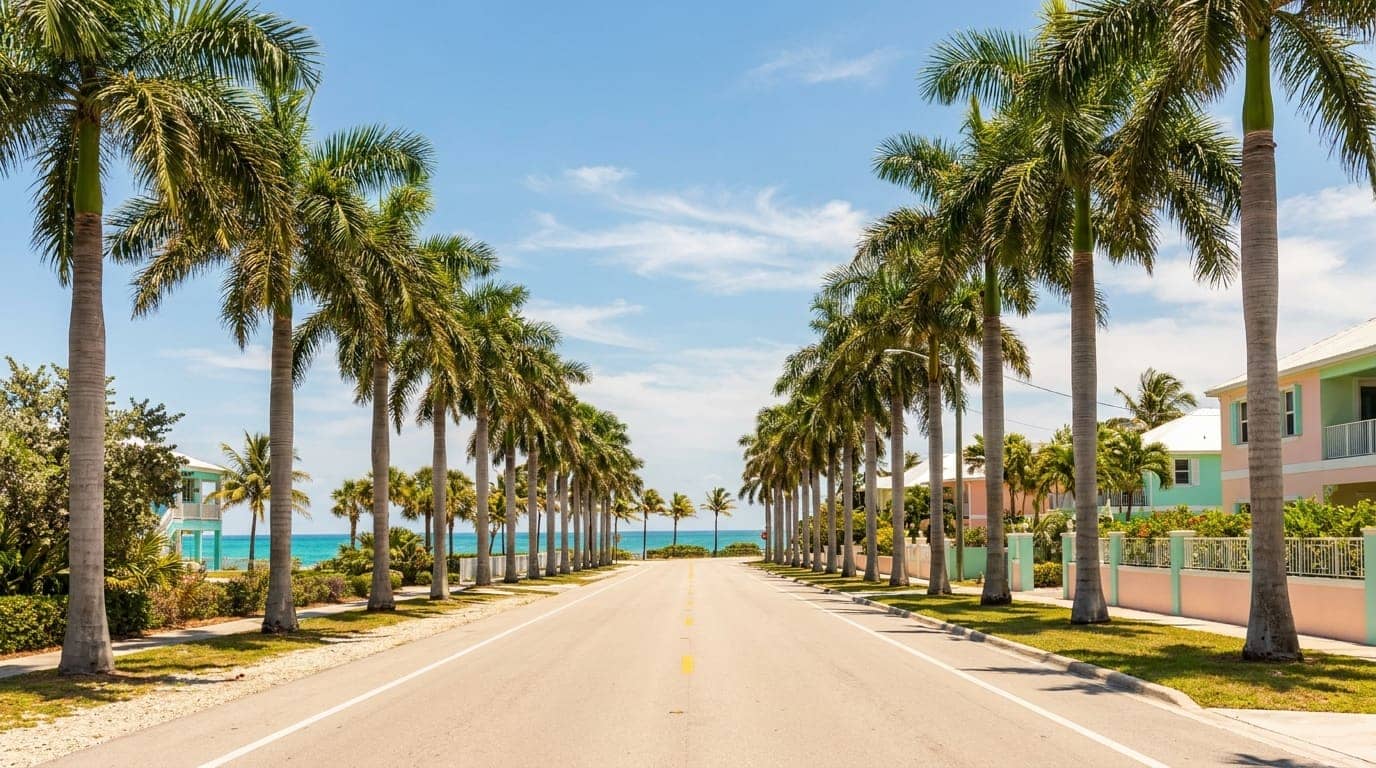
Driving through Dunedin, Florida means cruising past palm-lined streets, taking in Gulf breezes along the Dunedin Causeway, and weaving through historic downtown with its colorful storefronts and Scottish flair. But everyday driving in this charming Pinellas County coastal town also exposes your vehicle to plenty of risks — from flying gravel on Alt US-19 to sudden hailstorms that roll in during the summer rainy season. When a cracked windshield or broken auto glass disrupts your day, Bang AutoGlass is here to make repairs simple, fast, and affordable. As a fully mobile auto glass service, we bring expert windshield replacement and auto glass repair directly to your driveway, workplace, or favorite spot in town — whether you're enjoying a kayak day at Honeymoon Island State Park or grabbing a craft beer downtown.
Professional Windshield Replacement in Dunedin, Florida
A damaged windshield is more than just an eyesore — it's a safety risk. Your windshield plays a critical structural role in your vehicle, supporting the roof in a rollover, deploying airbags correctly, and giving you the clear visibility you need to navigate Dunedin's busy roads. At Bang AutoGlass, we specialize in fast, reliable windshield replacement throughout Dunedin and the surrounding Pinellas County area. Most replacements take just 30 to 45 minutes, followed by a one-hour adhesive cure time before the vehicle is safe to drive. That means you can have a brand-new windshield installed during your lunch break, your morning coffee at a Main Street café, or while you handle errands around town.
We use OEM-quality glass and premium urethane adhesives on every replacement, ensuring your new windshield meets or exceeds the original manufacturer's standards. Whether you drive a daily commuter sedan, a family SUV, a work pickup, or a luxury vehicle, we have the right glass and the right expertise to get you back on the road quickly and safely. Every windshield replacement we perform comes backed by our lifetime workmanship warranty — a promise that the installation will hold up for as long as you own the vehicle.
Why Dunedin Drivers Choose Bang AutoGlass
Dunedin is a tight-knit community of more than 36,000 residents, and locals expect their service providers to deliver real value, not just a transaction. Bang AutoGlass earns trust by showing up on time, doing the job right the first time, and standing behind our work. Our mobile technicians arrive prepared with everything needed to complete your auto glass replacement on site, so you'll never need to drive a damaged vehicle to a shop or arrange a rental. We offer next-day appointments throughout Dunedin, which means most customers go from cracked glass to crystal-clear visibility within 24 hours of calling us.
Common Causes of Windshield Damage in Dunedin
Living and driving in Dunedin comes with a unique mix of windshield hazards. Coastal weather, tourist traffic, and Florida's signature summer storms all take their toll on auto glass. Some of the most frequent causes of windshield damage we see in the area include:
- Loose gravel and debris kicked up on Alt US-19, Curlew Road, and the Dunedin Causeway
- Sudden hailstorms during summer afternoon thunderstorms and tropical weather systems
- Tree branches and palm fronds blown loose during high winds and hurricane season
- Temperature stress when a hot windshield meets a blast of cold air conditioning
- Construction zone debris along ongoing roadwork on SR-580 and Bayshore Boulevard
- Stray rocks and oyster shell fragments along coastal access roads near the Gulf
Even a small chip can quickly grow into a major crack thanks to Dunedin's heat, humidity, and frequent temperature swings. The sooner you address windshield damage, the better your chances of avoiding a full replacement — but when replacement is necessary, we make the process painless.
Comprehensive Auto Glass Services for Dunedin Residents
Windshields are our specialty, but they're far from the only auto glass we replace. Bang AutoGlass provides full-service auto glass solutions for vehicles throughout Dunedin, including door glass, quarter glass, rear glass, and sunroof glass replacement. No matter where the damage is on your vehicle, our mobile technicians have the tools, the OEM-quality materials, and the experience to handle it.
Door Glass Replacement in Dunedin
Door glass is one of the most commonly damaged windows after windshields, especially in vehicles parked overnight in driveways or along the street. Whether your driver-side or passenger-side window was broken in an attempted break-in, shattered by a stray ball at a Toronto Blue Jays spring training watch party near TD Ballpark, or cracked from a road accident, we can replace it quickly. Most door glass replacements take about 30 to 45 minutes on site, and we'll vacuum every shard of glass from your door panel, seats, and floor before we leave. Your new door glass will roll up and down smoothly and seal tightly against weather — essential in a city that sees plenty of summer rain.
Quarter Glass Replacement in Dunedin
Quarter glass, sometimes called valance or vent glass, refers to the smaller fixed or movable windows located near the rear of many vehicles. These pieces are uniquely shaped to fit each make and model, so replacement requires precise OEM-quality glass and careful installation. Bang AutoGlass sources the correct quarter glass for your specific vehicle and installs it with the same attention to detail we give every job. Because these panels are often bonded directly into the body of the car, proper sealing is critical to prevent leaks during Dunedin's heavy rainstorms and tropical weather.
Rear Glass Replacement in Dunedin
Your rear windshield does more than provide visibility — it often houses the defroster grid, the antenna, and even brake light components on some vehicles. When the rear glass shatters or cracks, you need a replacement that preserves every one of those functions. Our technicians replace rear glass throughout Dunedin with OEM-quality units that include the original wiring connections, defroster lines, and tint shading where applicable. We carefully clean up any broken glass from the cargo area and confirm all electrical functions work before completing the job.
Sunroof Glass Replacement in Dunedin
Sunroofs are a popular feature for Dunedin drivers who love soaking in the Gulf Coast sunshine on the way to Honeymoon Island or cruising up to Tarpon Springs. Unfortunately, sunroof glass can crack from impact, temperature stress, or accidental damage when closing. We replace fixed and panoramic sunroof glass with OEM-quality materials that match the look and function of your original. After replacement, we test the seal, the motor where applicable, and the drainage channels to make sure your sunroof performs flawlessly through Florida's wettest weather.
ADAS Calibration Services in Dunedin
Modern vehicles increasingly rely on advanced driver assistance systems — ADAS — to power features like lane departure warnings, automatic emergency braking, adaptive cruise control, and forward collision alerts. These systems depend on cameras and sensors that are often mounted directly to the windshield. When the windshield is replaced, those sensors must be recalibrated to function correctly. A vehicle with uncalibrated ADAS may misjudge distances, fail to detect lane markings, or trigger false alarms — any of which can be dangerous on busy roads like Alt US-19 or during heavy tourist traffic near the Dunedin Causeway.
Bang AutoGlass offers professional ADAS calibration as part of our windshield replacement service in Dunedin. Whether your vehicle requires static calibration, dynamic calibration, or both, we have the equipment and expertise to restore your safety systems to factory specifications. We perform calibrations using manufacturer-approved procedures, so your vehicle leaves our service ready to protect you and your passengers exactly as the automaker intended.
Mobile Auto Glass Service Throughout Dunedin
One of the biggest advantages of choosing Bang AutoGlass is our fully mobile service model. There's no shop you need to drive to, no waiting room you need to sit in, and no inconvenient trip across town with a cracked windshield. We come to you — anywhere in Dunedin and the surrounding communities. Our service vehicles are stocked with OEM-quality glass, premium adhesives, calibration tools, and everything else we need to complete your replacement on the spot. Most jobs are wrapped up in about 30 to 45 minutes, with a one-hour cure time afterward to ensure the urethane fully bonds before you drive.
Our mobile auto glass service covers every Dunedin neighborhood and surrounding area, including Dunedin Isles, Fairway Estates, Spanish Trails, Patricia Estates, Lyndhurst, Westwinds Estates, Pine Ridge, Royal Stewart Arms, Edgewater, and Downtown Dunedin. We also frequently serve customers near Honeymoon Island State Park, Caladesi Island, the Pinellas Trail, the Dunedin Causeway, TD Ballpark, and along the Gulf-facing waterfront. If you live in or commute to Dunedin from nearby Clearwater, Palm Harbor, Safety Harbor, or Tarpon Springs, we'll happily come to your home, office, or wherever you happen to be parked.
Bringing Auto Glass Service to Your Driveway
When you book a mobile appointment with Bang AutoGlass, our technician will arrive at the scheduled time with all materials and equipment. We'll inspect the damage, confirm the replacement glass matches your vehicle's specifications, and walk you through the process before we begin. You can go about your day while we work — answer emails, run inside for lunch on Main Street, or simply relax at home. Once the new glass is installed and the urethane has cured for an hour, you're ready to hit the road again.
Fleet Auto Glass Services for Dunedin Businesses
Local businesses across Dunedin rely on vehicles to operate — from contractors and delivery services to landscapers maintaining the lush greenery throughout neighborhoods like Fairway Estates, to small business owners running operations from one side of Pinellas County to the other. When a fleet vehicle has damaged glass, downtime is expensive. Bang AutoGlass offers dedicated fleet auto glass services for Dunedin-based businesses, including priority scheduling, on-site service at your business location, and streamlined invoicing for multiple vehicles.
Whether you operate a small fleet of two or three trucks or a larger fleet of service vans and commercial vehicles, our mobile technicians can come to your facility and complete replacements in sequence, keeping vehicles in service with minimal disruption. Every fleet job includes the same OEM-quality glass, lifetime workmanship warranty, and ADAS calibration support we provide to individual customers.
Insurance Claims Assistance for Dunedin Drivers
Filing an insurance claim can feel intimidating, especially if it's your first time. Florida is a comprehensive coverage state, which means most drivers with comprehensive auto insurance can have their windshield replacement covered with little to no out-of-pocket cost — often with no deductible at all, depending on the policy. Bang AutoGlass doesn't file claims on behalf of our customers, but we do provide hands-on assistance to help guide you through the process. Our team can walk you through the information your insurance provider will need, explain what to expect during the claim, and provide documentation of the damage and the repair so you can submit a complete and accurate claim.
If you've never filed an auto glass claim before, here's what we generally recommend Dunedin drivers do:
- Review your insurance policy to confirm you have comprehensive coverage and check your deductible.
- Contact your insurance company by phone or through their mobile app to begin the claim process.
- Provide the details of the damage, including the date, cause, and location of the incident.
- Share Bang AutoGlass as your preferred shop so we can coordinate directly on service details.
- Schedule your replacement appointment with us and let our technicians handle the rest on site.
Most insurance claims for windshield replacement are processed quickly, and many Dunedin customers find that the entire process — from filing the claim to driving away with a new windshield — takes less than 48 hours.
What to Expect During Your Auto Glass Service
When you book with Bang AutoGlass, the experience is designed to be smooth from start to finish. After you reach out by phone or online, we'll confirm your vehicle make, model, and year, identify the correct OEM-quality glass, and schedule a mobile appointment — often for the very next day. On the day of service, our technician will arrive on time at your chosen location anywhere in Dunedin. The replacement itself usually takes 30 to 45 minutes, during which we'll remove the damaged glass, prep the frame, apply premium urethane adhesive, and install your new windshield or window with precision.
Once the new glass is in place, the urethane needs about an hour to cure before the vehicle can be driven safely. During that time, our technician will clean up any debris, confirm everything looks great, and walk you through how to care for your new glass over the next 24 hours — things like avoiding automatic car washes, leaving a window slightly cracked to equalize pressure, and avoiding door slams. We'll also handle ADAS calibration if your vehicle requires it before we wrap up.
Schedule Your Dunedin Auto Glass Appointment Today
Dunedin drivers deserve fast, professional, and dependable auto glass service — delivered with care and backed by a lifetime workmanship warranty. Whether you need a quick windshield replacement before a weekend trip to Caladesi Island, door glass repair after an unexpected break-in, rear glass replacement for your family SUV, or fleet service for your local business, Bang AutoGlass is ready to help. We offer next-day mobile appointments throughout Dunedin and surrounding Pinellas County communities, using only OEM-quality materials and trusted installation techniques.
Reach out today to schedule your service, ask about insurance claim assistance, or get a quote for windshield replacement, door glass replacement, quarter glass replacement, rear glass replacement, sunroof glass replacement, ADAS calibration, fleet auto glass services, or mobile auto glass service anywhere in Dunedin, Florida. We'll have you back on the road — and back to enjoying everything Dunedin has to offer — before you know it.
Will yours be $0?
What Florida law actually says about your deductible — in plain English.
Arizona has an optional $0-glass add-on.
With the optional zero-deductible glass coverage (A.R.S. § 20-264) it's often $0 — otherwise your comprehensive deductible applies.
General info, not legal or insurance advice. We confirm your exact policy — free — before any work.
Full details for Florida drivers: Florida auto glass insurance guide →
Auto glass services in Dunedin
Florida drivers: windshield replacement is often $0 out of pocket with the right coverage. We verify your policy free, before any work.
Check my coverageWindshield replacement questions from drivers in Dunedin
Can Bang AutoGlass replace my windshield in Dunedin, Florida?+
Yes, we're a mobile-only auto glass company that comes directly to you in Dunedin and the surrounding area for windshield replacement. We typically have next-day appointments available and handle all the work at your home or workplace.
How much does windshield replacement cost in Florida?+
Cost depends on your vehicle and glass type, and we provide a clear, upfront quote. Many Florida drivers with comprehensive insurance pay nothing out of pocket thanks to the state's deductible waiver, and we help you understand your coverage.
How long does windshield replacement take in Dunedin?+
Replacement takes about 30-45 minutes to complete, plus time for the adhesive to cure — about an hour is typical, and your technician confirms the exact safe drive-away time. If your windshield has advanced driver assistance systems (ADAS), calibration adds roughly 15-30 minutes.
Is windshield replacement covered by insurance in Florida?+
Florida law waives your comprehensive insurance deductible for windshield replacement, so most drivers pay nothing out of pocket. We help you file your claim and provide all the details your insurer needs.
Do you have a shop in Dunedin?+
No — Bang AutoGlass is 100% mobile. The shop comes to you at home, work, or roadside anywhere in Dunedin. No shop visit, no waiting room.
Does my car need ADAS recalibration with a new windshield?+
If your vehicle's camera-based safety systems require it, we recalibrate to factory spec as part of the replacement.
What glass do you install, and is it warrantied?+
OEM-quality glass on every job, backed by a lifetime workmanship warranty for as long as you own the vehicle.
How fast can you get to me in Dunedin?+
Next-day availability in most areas. New appointments can be booked 24/7 at (877) 994-5277; installs run Mon–Sat, 8am–6pm.
Serving Dunedin, Florida
Mobile auto glass that comes to you anywhere in Dunedin — home, work, or roadside.
Installs Mon–Sat, 8am–6pm · New appointments 24/7 at (727) 270-8521 · Hablamos español.
4.8★ on Google · 350+ reviews from AZ & FL drivers
“I needed my windshield replaced and they made the entire process easy. Bang AutoGlass is the best!”
“Bang AutoGlass made my windshield replacement simple from start to finish.”
“The team was professional, friendly, and efficient from the first call to the finished job.”