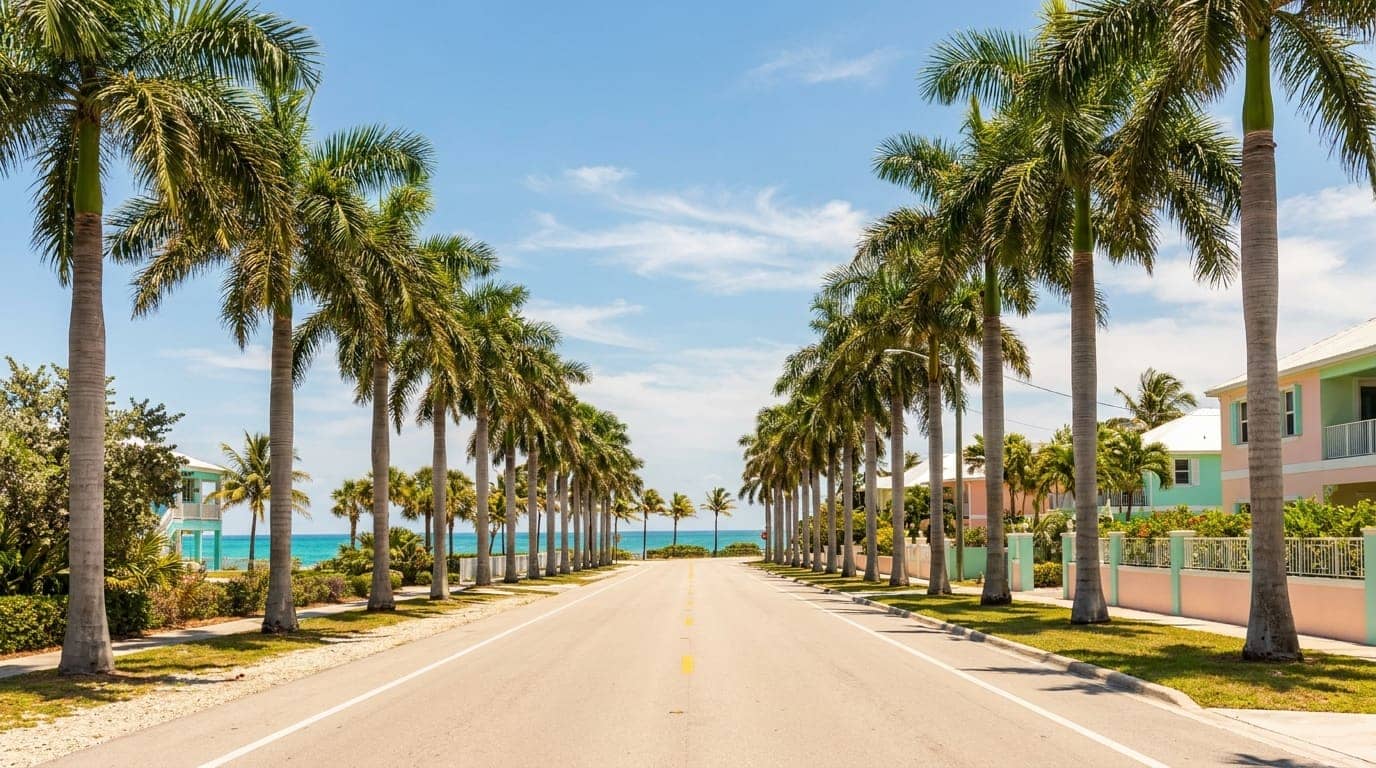
Windshield Replacement in Lake Mary, FL
Around Lake Mary Boulevard, Rinehart Road, I-4, and the business corridors nearby, windshield damage can interrupt commuting and daily errands fast. Bang AutoGlass provides mobile windshield replacement and auto glass services for drivers who need professional service close by.
Mobile service throughout Lake Mary, Florida — we come to your home, your work, or the roadside.
Lake Mary is part of our Orlando service area — local line (407) 305-3829.
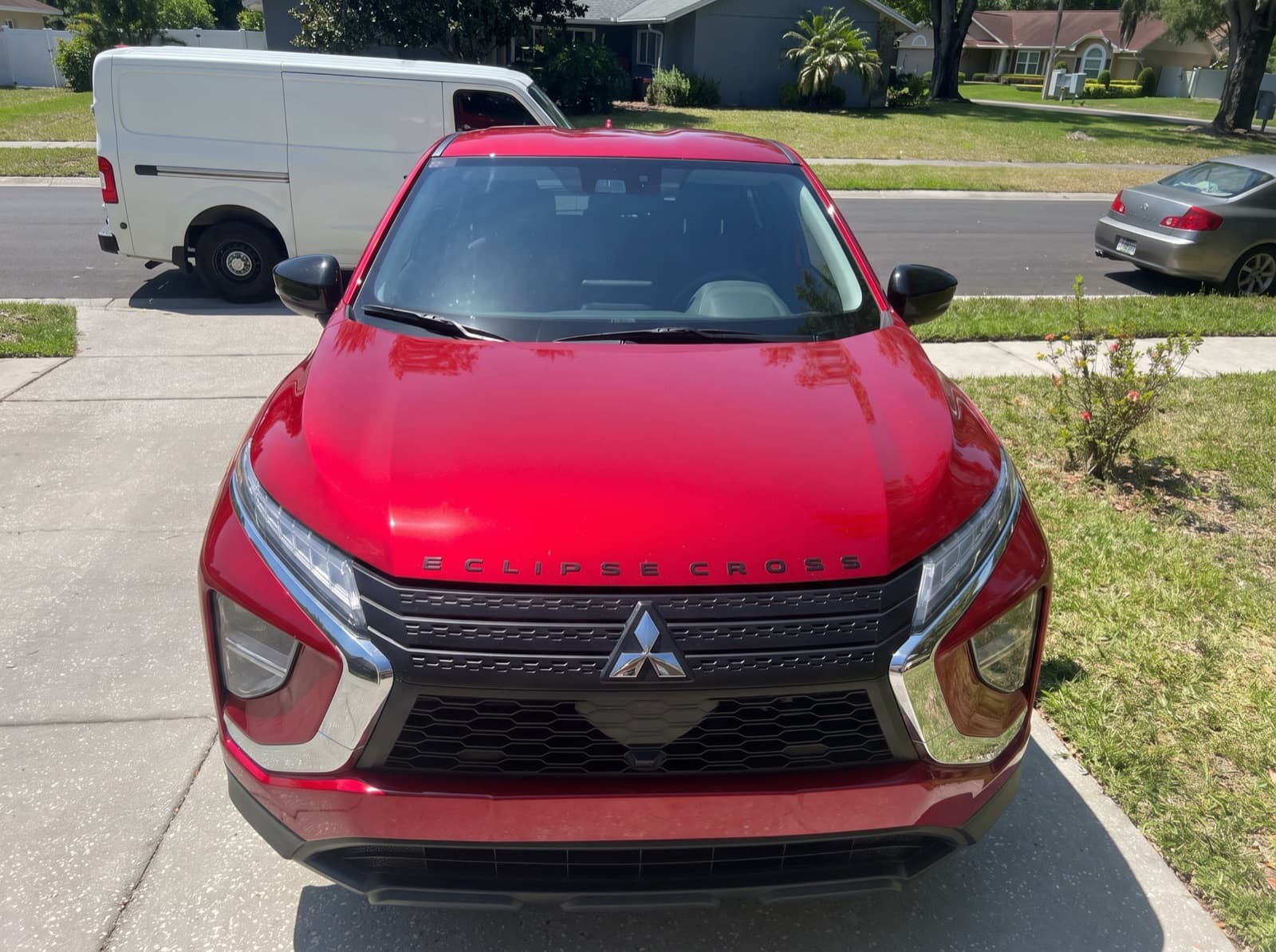
Where we come to you in Lake Mary
Home & driveway
The most common appointment in Lake Mary: the van parks in your driveway or at the curb, and you stay inside while the glass is replaced. Most jobs take 30–45 minutes.
Work & office lots
Office parks, garages with clearance, retail and campus lots — we meet you where the car is parked. Gated community or controlled lot? Just mention it when you book.
Roadside
Cracked glass doesn't wait for a convenient address. All the crew needs is a flat, level spot with room to open both front doors.
No shop, no waiting room — the shop comes to you. How mobile auto glass service works →
What to expect when we come to you in Lake Mary
No shop visit needed in Lake Mary
Trusted Mobile Auto Glass Repair and Replacement Throughout Lake Mary, Florida
Lake Mary is one of the most desirable communities in Seminole County, sitting just nineteen miles north of downtown Orlando along the busy I-4 corridor. Whether you commute daily into the city, work at one of Lake Mary's major employment hubs like the AAA National Headquarters or the Verizon Financial Center, or spend your weekends exploring Colonial Town Park, your vehicle puts in serious miles on Central Florida roads. With all that driving comes the inevitable risk of windshield damage, chipped door glass, cracked rear glass, and other auto glass issues that need fast, professional attention. At Bang AutoGlass, we provide complete mobile auto glass services to every neighborhood in Lake Mary, FL, including Heathrow, Magnolia Plantation, Lake Mary Woods, Grande Oaks at Heathrow, and every corner of the 32746 and 32795 zip codes. We bring shop-quality windshield replacement directly to your driveway, office parking lot, or wherever your vehicle is parked, so you never have to lose a day to a glass shop waiting room.
Windshield Replacement in Lake Mary, FL
A cracked or damaged windshield is more than just an eyesore. It compromises the structural integrity of your vehicle, interferes with your view of the road, and in Florida it can quickly turn into a failed safety inspection issue. Lake Mary drivers face some of the most punishing windshield conditions in the country thanks to a unique combination of heavy I-4 traffic, intense Central Florida sun exposure, and the constant cycle of heat, humidity, and afternoon storms. Our team specializes in fast, professional windshield replacement that gets you back on the road safely with OEM-quality glass and a lifetime workmanship warranty backing every installation.
Why Lake Mary Drivers Need Reliable Windshield Replacement Services
Lake Mary's location at the heart of one of Florida's busiest commuter corridors means windshields here take a beating. Drivers traveling I-4 between Lake Mary and Orlando, especially during the morning rush between 7:00 and 9:30 AM, are constantly exposed to road debris, gravel kicked up from construction zones, and rocks thrown by tractor trailers. The same applies to local commuters traveling Lake Mary Boulevard, Rinehart Road, International Parkway, and CR-46A. Add in the Central Florida climate, where summer heat indexes regularly push past 114 degrees and UV index readings stay at level seven or higher from May through September, and you have the perfect recipe for tiny chips and cracks to spread across an entire windshield within days. A small star break that seemed harmless after your last drive to Seminole Towne Center can quickly become a foot-long crack after one hot afternoon in the parking lot.
Common Causes of Windshield Damage Lake Mary Drivers Experience
Lake Mary residents tend to encounter a fairly predictable mix of windshield damage causes, and our technicians have seen them all. Sudden temperature swings from blasting AC in 95-degree heat are a leading cause of stress cracks, especially in older glass. Falling branches from the live oaks that line so many Lake Mary streets and HOA neighborhoods are another frequent culprit, particularly after summer thunderstorms or tropical systems passing through Central Florida. Construction debris from the constant roadwork along I-4 and the 417 contributes its share of chips and pits as well. And finally, hail, while less common than in northern states, does occasionally hit Seminole County hard enough to damage glass across entire neighborhoods at once.
Our Windshield Replacement Process
When you book your Lake Mary windshield replacement with Bang AutoGlass, the process is built around your schedule, not ours. We offer next-day appointments to virtually every address in Lake Mary, and the entire glass replacement itself only takes thirty to forty-five minutes from start to finish. After the new windshield is installed, the urethane adhesive needs approximately one hour to cure before your vehicle is safe to drive. That means most Lake Mary customers are back on the road in under two hours total, often without ever leaving their home or office. Every replacement uses OEM-quality glass that matches the original specifications of your vehicle, and every job is backed by our lifetime workmanship warranty.
Complete Auto Glass Services for Lake Mary Vehicles
Windshield replacement may be our specialty, but it is far from the only service Lake Mary drivers need. Modern vehicles use auto glass throughout the cabin, and damage to any of these panels can leave your car insecure, uncomfortable, or unsafe. We provide full-service auto glass replacement to homes and businesses across Lake Mary and surrounding areas including Heathrow, Sanford, Longwood, Lake Forest, and Markham Woods.
Door Glass Replacement in Lake Mary
Door glass is one of the most common targets for break-ins and accidental damage. Whether your driver-side window was shattered after a parking incident at Colonial Town Park, your passenger window was broken in a smash-and-grab outside a gym in the 32746 zip code, or your rear door glass cracked from a stray landscaping rock, we can get your vehicle secured again the same week. Door glass replacement is a quick service, typically completed in the same thirty-to-forty-five-minute window as a windshield, and we use OEM-quality tempered glass to ensure perfect fit, function, and clarity. Power window mechanisms are also checked during installation so you do not end up with a glass that fits perfectly but will not roll up and down properly.
Quarter Glass Replacement in Lake Mary
Quarter glass, sometimes called the small fixed window behind the rear door or in the corner of the cabin, is one of the trickier panels to source and install correctly. These windows are often bonded into the frame and require a specialist's touch to remove and replace without damaging surrounding trim or paint. Our Lake Mary auto glass technicians have replaced quarter glass on everything from family SUVs heading to school dropoff at Heathrow Elementary to luxury sedans parked in driveways throughout Magnolia Plantation. We use OEM-quality replacement quarter glass and finish each installation with factory-grade urethane for a seal that will last the lifetime of the vehicle.
Rear Glass Replacement in Lake Mary
Rear windshield damage tends to be more dramatic than front windshield damage because of how tempered rear glass shatters into thousands of small pieces at once. If you have ever had a rear window blown out by a falling branch or a break-in, you know the chaos it leaves inside the vehicle. Our team handles the entire process for Lake Mary customers, including careful cleanup of broken glass throughout the cargo area, replacement of any damaged defroster connections, and installation of new OEM-quality rear glass. The job is usually completed in the same thirty-to-forty-five-minute window as our other replacements, plus the standard one-hour adhesive cure time.
Sunroof Glass Replacement in Lake Mary
Sunroofs and panoramic moonroofs have become standard features on many vehicles driving Lake Mary's roads, and unfortunately they are also extremely vulnerable to damage from falling debris, temperature stress, and aging seals. Cracked or shattered sunroof glass cannot wait, especially during Lake Mary's storm season, when an afternoon downpour can quickly soak your headliner and interior. We replace sunroof glass for all makes and models, restoring the watertight seal and structural integrity that protects your cabin. Every sunroof replacement we perform uses OEM-quality glass and includes a full leak test before we hand the vehicle back to you.
ADAS Calibration in Lake Mary, FL
Almost every vehicle built in the last several years comes equipped with Advanced Driver Assistance Systems, or ADAS. These are the cameras and sensors that power lane departure warnings, automatic emergency braking, adaptive cruise control, forward collision alerts, and similar safety features. When a windshield is replaced on an ADAS-equipped vehicle, those front-facing cameras almost always need to be recalibrated to function correctly. Driving around Lake Mary with an uncalibrated ADAS system is dangerous, especially during heavy I-4 traffic where automatic braking and lane-keep assist play a critical role in preventing collisions. Our team handles ADAS calibration as part of the windshield replacement process whenever your vehicle requires it, ensuring all safety features work exactly as the manufacturer intended.
Fleet Auto Glass Services for Lake Mary Businesses
Lake Mary is home to a thriving business community, with major employers like AAA, Verizon, and Mitsubishi-Hitachi Power Systems anchoring International Parkway and the surrounding office parks. Plenty of smaller businesses, contractors, delivery services, landscaping companies, and rental fleets operate out of Lake Mary as well. For any business running a fleet of vehicles in the area, windshield damage can mean lost productivity, missed appointments, and unhappy customers. We offer dedicated fleet auto glass services that streamline the entire process. Our technicians come directly to your business location anywhere in Lake Mary, including industrial corridors near Rinehart Road and the Lake Mary Boulevard business district, and we replace windshields and other glass while your vehicles are parked between shifts. With next-day scheduling and thirty-to-forty-five-minute replacement times, we minimize downtime and keep your fleet on the road.
Mobile Auto Glass Service: We Come to You Anywhere in Lake Mary
The single biggest advantage Bang AutoGlass offers Lake Mary drivers is that we are a fully mobile auto glass service. You should never have to take time off work, sit in a glass shop lobby, or arrange rides just to get your windshield replaced. Instead, we bring everything to you. Our technicians arrive in fully equipped service vehicles carrying OEM-quality glass, professional-grade urethane, calibration tools where applicable, and everything else needed to complete the job in your driveway. We service homes throughout Heathrow, Magnolia Plantation, Lake Mary Woods, Grande Oaks at Heathrow, Timacuan, Lake Forest, and every other Lake Mary neighborhood, as well as office complexes, shopping centers, and even roadside locations when needed. Our mobile service is identical in quality to a shop installation, often more convenient, and always backed by the same lifetime workmanship warranty.
Neighborhoods and Areas We Serve in and Around Lake Mary
Lake Mary may be a relatively compact city by population, with just over seventeen thousand residents, but it covers a wide area with very distinct neighborhoods and commercial districts. Our mobile auto glass service reaches all of them, including the surrounding communities that Lake Mary residents drive through every day.
- Heathrow and Heathrow Country Club
- Magnolia Plantation and Magnolia Park
- Lake Mary Woods and Timacuan
- Grande Oaks at Heathrow
- Lake Forest and Markham Woods
- Colonial Town Park area
- International Parkway business district
- Lake Mary Boulevard corridor
- Crystal Lake and Greenwood Lakes neighborhoods
- Surrounding Seminole County communities including Sanford, Longwood, and Wekiva Springs
Insurance Claim Assistance for Lake Mary Drivers
Florida is one of the most insurance-friendly states in the country when it comes to auto glass coverage. Many comprehensive policies cover windshield replacement with zero out-of-pocket cost to the driver, but the claims process itself can feel intimidating if you have never been through it before. We do not file claims on behalf of our Lake Mary customers, but we do walk you through every step of the process so you know exactly what to say, what information your insurer needs, and how to get your replacement approved as quickly as possible. Our team works with virtually every major insurance carrier serving Lake Mary and Seminole County, and we are happy to coordinate directly with your insurer once your claim is opened. The goal is to make your auto glass experience as smooth and stress-free as possible from the moment you call us until your vehicle is back on the road.
Why Lake Mary Drivers Choose Bang AutoGlass
There are plenty of auto glass options for Lake Mary residents, but very few combine the speed, quality, and convenience of Bang AutoGlass. Here is what sets our service apart for drivers across the 32746 and 32795 zip codes:
- Fully mobile auto glass service that comes to your home, office, or anywhere in Lake Mary
- Next-day appointments available across the entire Lake Mary service area
- Thirty-to-forty-five-minute replacement times with a one-hour adhesive cure
- OEM-quality glass and factory-grade urethane on every installation
- Lifetime workmanship warranty included with every replacement
- Complete service menu including windshield, door, quarter, rear, and sunroof glass
- ADAS calibration handled in-house for modern vehicles
- Fleet auto glass support for Lake Mary businesses and commercial operations
- Insurance claim assistance from start to finish without filing on your behalf
- Locally focused service that knows Lake Mary roads, neighborhoods, and driving conditions
Schedule Your Lake Mary Windshield Replacement Today
Driving around Lake Mary with a cracked windshield, damaged door glass, or shattered rear window is not just unsafe, it is unnecessary. With next-day appointments, mobile service throughout every Lake Mary neighborhood, OEM-quality materials, and a lifetime workmanship warranty on every replacement, there is no reason to put off auto glass repair another day. Whether you are commuting to Orlando on I-4 every morning, running errands at Colonial Town Park, dropping kids off at one of Lake Mary's top-rated schools, or hauling tools to a job site across Seminole County, your vehicle deserves auto glass service that fits your life. Contact Bang AutoGlass today using the form above to schedule your Lake Mary windshield replacement or auto glass service, and let us bring the shop to you.
Will yours be $0?
What Florida law actually says about your deductible — in plain English.
Arizona has an optional $0-glass add-on.
With the optional zero-deductible glass coverage (A.R.S. § 20-264) it's often $0 — otherwise your comprehensive deductible applies.
General info, not legal or insurance advice. We confirm your exact policy — free — before any work.
Full details for Florida drivers: Florida auto glass insurance guide →
Auto glass services in Lake Mary
Florida drivers: windshield replacement is often $0 out of pocket with the right coverage. We verify your policy free, before any work.
Check my coverageWindshield replacement questions from drivers in Lake Mary
Does Bang AutoGlass come to Lake Mary, Florida for windshield replacement?+
Yes, we're a mobile windshield service and come directly to your location in Lake Mary and the surrounding area. We typically have next-day appointments available.
How much does windshield replacement cost in Lake Mary?+
The cost depends on your vehicle and glass type, but many Lake Mary drivers with comprehensive insurance pay nothing out of pocket thanks to Florida's deductible waiver. We provide a clear, upfront quote and help you with your claim.
How long does windshield replacement take in Lake Mary?+
The replacement itself takes 30–45 minutes, and the adhesive needs time to set — about an hour is typical, and your technician confirms the exact safe drive-away time. If your vehicle needs ADAS calibration, that adds only 15–30 minutes.
Does Bang AutoGlass use quality glass for Lake Mary windshield replacements?+
We install OEM-quality glass and stand behind our work with a lifetime workmanship warranty on every windshield replacement in Lake Mary.
Will you deal with my insurance company?+
Yes — we verify your coverage free before any work, file the claim start to finish, and bill the insurer directly. All insurance companies accepted.
Does my car need ADAS recalibration with a new windshield?+
If your vehicle's camera-based safety systems require it, we recalibrate to factory spec as part of the replacement.
What glass do you install, and is it warrantied?+
OEM-quality glass on every job, backed by a lifetime workmanship warranty for as long as you own the vehicle.
How fast can you get to me in Lake Mary?+
Next-day availability in most areas. New appointments can be booked 24/7 at (877) 994-5277; installs run Mon–Sat, 8am–6pm.
Serving Lake Mary, Florida
Mobile auto glass that comes to you anywhere in Lake Mary — home, work, or roadside.
Installs Mon–Sat, 8am–6pm · New appointments 24/7 at (407) 305-3829 · Hablamos español.
4.8★ on Google · 350+ reviews from AZ & FL drivers
“I needed my windshield replaced and they made the entire process easy. Bang AutoGlass is the best!”
“Bang AutoGlass made my windshield replacement simple from start to finish.”
“The team was professional, friendly, and efficient from the first call to the finished job.”