Subaru ADAS Calibration
Bang AutoGlass coordinates Subaru EyeSight ADAS calibration after windshield service so the dual-camera system, Pre-Collision Braking, Adaptive Cruise Control, Lane Keep Assist, and Lane Departure Warning read correctly on Outback, Forester, Crosstrek, and Ascent. Arizona and Florida mobile.
Understanding Subaru ADAS Calibration
Subaru ADAS calibration is the precise process of recalibrating your Subaru's Advanced Driver Assistance Systems after specific repairs, replacements, or events that affect the position or function of its safety cameras and sensors. Unlike most other manufacturers who rely on radar paired with cameras, Subaru built its EyeSight Driver Assist Technology around a dual stereoscopic camera system mounted directly behind the windshield near the rearview mirror. Because these cameras peer through your windshield to interpret the road ahead, even the smallest shift in their alignment, lens position, or windshield optical properties can throw the entire system out of spec. When you replace a windshield on an EyeSight-equipped Subaru, recalibration is not optional, it is mandatory for the system to function correctly and safely.
At Bang AutoGlass, we have built our Subaru ADAS calibration service around the strict factory specifications Subaru requires, ensuring your Outback, Forester, Crosstrek, Legacy, Impreza, Ascent, or WRX leaves our care with a fully functioning safety system. Every Subaru that rolls off the production line with EyeSight has been carefully calibrated at the factory, and our job is to restore that exact calibration after a windshield replacement or related repair so your Subaru continues to drive the way Subaru engineered it to drive.
What Makes Subaru EyeSight Unique
Subaru's EyeSight system stands apart from most other manufacturer ADAS suites because it operates almost entirely through vision. The two color stereo cameras work much like human eyes, processing depth, distance, color, and motion in real time. This camera-based approach is highly accurate but extremely sensitive to alignment. A misalignment of even a fraction of a degree can cause the system to misjudge distance, fail to recognize lane markings, or trigger false collision warnings. That is precisely why Subaru ADAS calibration must be performed with factory-grade equipment and following exact procedures every time the windshield is replaced or the camera position is disturbed in any way.
When Your Subaru Needs ADAS Calibration
There are several scenarios in which your Subaru will require ADAS calibration, and understanding them helps you stay ahead of safety concerns and avoid driving with an impaired EyeSight system.
After a Subaru Windshield Replacement
The most common trigger for Subaru ADAS calibration is windshield replacement. Because the EyeSight cameras sit just behind the glass, replacing the windshield changes the optical path the cameras use to see the road. Subaru requires recalibration any time the windshield is removed and reinstalled, even if the glass appears identical to the original. Bang AutoGlass uses OEM-quality glass on every Subaru we service, ensuring the optical clarity and tolerances match what the EyeSight system expects to see when it scans the road ahead.
After a Collision or Bodywork
Even minor front-end collisions can shift the camera bracket, alter suspension geometry, or compromise the bonded windshield. Whenever bodywork is performed near the windshield, A-pillars, fenders, or front bumper of a Subaru, recalibration of the EyeSight system is almost always required to restore proper function and accurate camera aim.
Following Suspension, Alignment, or Tire Changes
Because EyeSight relies on the vehicle sitting at a specific ride height and angle, any significant suspension work, wheel alignment correction, or major tire size change can affect calibration. If your Subaru recently had suspension components replaced or wheels and tires changed to a non-stock size, you may notice the EyeSight system behaving differently, which is a clear sign recalibration is needed.
When EyeSight Warning Lights or System Errors Appear
If your Subaru's dashboard displays warnings related to EyeSight, Pre-Collision Braking, Adaptive Cruise Control, or Lane Departure, these messages often indicate the system has lost calibration or detected an internal error. Driving with an uncalibrated EyeSight system is not safe and should be addressed promptly with a proper Subaru ADAS calibration.
Subaru EyeSight Features That Depend on Calibration
Subaru's EyeSight system bundles together a suite of driver-assistance features that all rely on the cameras being correctly calibrated. When calibration is off, all of these features can fail at once, which is why a single missed calibration can affect the entire safety experience of your Subaru.
- Pre-Collision Braking that automatically applies the brakes to mitigate or avoid a frontal collision
- Adaptive Cruise Control that maintains a safe following distance from the vehicle ahead
- Lane Keep Assist that gently steers your Subaru back into the lane if it drifts
- Lane Departure Warning that alerts you with audible and visual warnings when lane markings are crossed without signaling
- Lead Vehicle Start Alert that notifies you when traffic ahead begins moving
- Sway Warning that detects fatigued or distracted driving patterns
- Lane Centering Assist on newer Subaru models equipped with EyeSight 4.0
Each of these features depends on the cameras correctly identifying lane lines, vehicles, pedestrians, and other obstacles. Without proper Subaru ADAS calibration, these features can react too late, react incorrectly, or fail to react at all.
Types of Subaru ADAS Calibration
Subaru is among the most demanding manufacturers when it comes to ADAS calibration, and most Subaru windshield replacements require a full dual calibration procedure to be completed correctly.
Static Calibration
Static calibration is performed indoors with the Subaru parked on a perfectly level surface in front of factory-specified calibration targets. The vehicle must be at the correct ride height, tire pressures must match factory specifications, and the surrounding environment must be free of reflections, glare, or visual clutter that could confuse the cameras. Using a Subaru-approved scan tool, our technicians initiate the calibration sequence and the cameras lock onto the targets to reset their reference points. This portion of the process must be exact, with target distance, height, and angle measured to the millimeter.
Dynamic Calibration
Dynamic calibration is performed on the road, with the Subaru being driven at specific speeds on clearly marked roads while the scan tool monitors the EyeSight system as it gathers real-world reference data. During this drive, the cameras observe live lane markings, traffic, and road features to fine-tune their calibration. The required driving conditions can include steady speeds typically between 25 and 50 miles per hour, clearly visible lane markings, daylight conditions, and traffic that allows consistent cruising without frequent stops.
Dual Calibration for Subaru
For most Subaru models, both static and dynamic calibration must be performed in sequence to fully complete the procedure. This is one reason Subaru ADAS calibration takes more time and care than calibrations on some other vehicles. Bang AutoGlass plans every Subaru appointment with the dual calibration requirement in mind so the job is done right the first time without surprise return visits.
Subaru Models That Require ADAS Calibration
Almost every modern Subaru sold with EyeSight requires calibration after windshield replacement. Some of the most common models we service include the following.
Subaru Outback
The Outback has carried EyeSight as standard equipment on most trims for several model years and is one of the most frequent vehicles we calibrate. Outbacks tend to be driven on a wide mix of highway, rural, and adverse weather conditions, making a correctly calibrated EyeSight system critical for safety.
Subaru Forester
The Forester comes equipped with EyeSight across nearly all trims and is highly sensitive to calibration because of how often it is used for family travel and outdoor recreation. The slightly taller stance of the Forester compared with a sedan also makes precise target alignment essential during static calibration.
Subaru Crosstrek
Crosstrek owners often appreciate the active safety features, and the Crosstrek requires the same dual calibration procedure as other EyeSight-equipped Subarus. Lifted Crosstreks or those with non-stock tire sizes may need additional setup steps to bring the vehicle within calibration tolerances.
Subaru Legacy
The Subaru Legacy sedan has long included EyeSight as standard or optional equipment, and the lower stance can actually make calibration setup somewhat easier, though the precision requirements remain just as strict as any taller Subaru.
Subaru Impreza
The Impreza in both sedan and hatchback configurations uses the same EyeSight hardware as larger Subaru vehicles and requires the full calibration procedure following any windshield replacement or front-end repair.
Subaru Ascent
As Subaru's largest SUV, the Ascent rides higher and slightly wider, which means target distances during static calibration must be set accordingly. Ascent calibrations frequently include additional checks because of the size of the vehicle and the safety features that come with carrying passengers in three rows.
Subaru WRX
Performance-oriented WRX models that include EyeSight, particularly newer generations, still require the same calibration procedure as any other EyeSight Subaru, and our technicians are prepared to handle the specific aerodynamic and suspension considerations of these models.
The Subaru ADAS Calibration Process at Bang AutoGlass
When you book a Subaru ADAS calibration with Bang AutoGlass, the process is carefully structured to meet Subaru's factory specifications while keeping your time and convenience in mind.
Pre-Calibration Inspection
Before we begin calibration, we inspect the vehicle for any issues that could affect the process. This includes checking tire pressure, ride height, windshield installation quality, and confirming that no body damage exists near the camera mounting area. We also scan the vehicle for stored fault codes that may indicate underlying issues that could prevent a clean calibration.
Calibration Setup Requirements
Setting up a Subaru ADAS calibration is a meticulous process that requires several environmental and vehicle conditions to be met before calibration can even begin.
Level Surface
The Subaru must be parked on a surface that is level within Subaru's required tolerance. Even slight tilt can cause the cameras to look at the targets from the wrong angle and produce a failed or inaccurate calibration.
Controlled Lighting
Lighting in the calibration area must be even and free from harsh shadows, reflections, or bright sunlight beams that could confuse the cameras. Reflective floors, windows behind the targets, and bright work lights all need to be addressed before calibration begins.
Target Distance and Positioning
Each Subaru model has its own target distance, target height, and lateral positioning specifications. These are measured from specific points on the vehicle and must be set within millimeters of the factory specification. Our technicians use precision measuring tools to achieve this every time.
Performing the Calibration
Once setup is complete, we connect a Subaru-compatible scan tool and walk the EyeSight system through its calibration routine. The static phase resets the camera references against the targets, and the dynamic phase verifies the calibration in real driving conditions to confirm everything is locked in.
Post-Calibration Verification
After both phases are complete, we verify that no fault codes remain, that all EyeSight features are reporting normal operation, and that any warning lights have cleared. This final step is what gives our customers confidence that their Subaru is safe to drive away.
Risks of Driving a Subaru Without Proper ADAS Calibration
Some drivers underestimate how serious an uncalibrated EyeSight system can be. Because the system is designed to actively intervene, a misaligned camera can cause Pre-Collision Braking to engage incorrectly or fail to engage when needed. Adaptive Cruise Control may misjudge the distance to the car ahead, Lane Keep Assist may pull the steering at the wrong moment, and lane warnings may go off in places where there is no lane departure. In worst-case scenarios, an uncalibrated EyeSight system can contribute to an accident rather than prevent one. This is why Subaru ADAS calibration after a windshield replacement is not just a recommendation, it is essential to your safety and the safety of everyone on the road with you.
Mobile Subaru ADAS Calibration Made Convenient
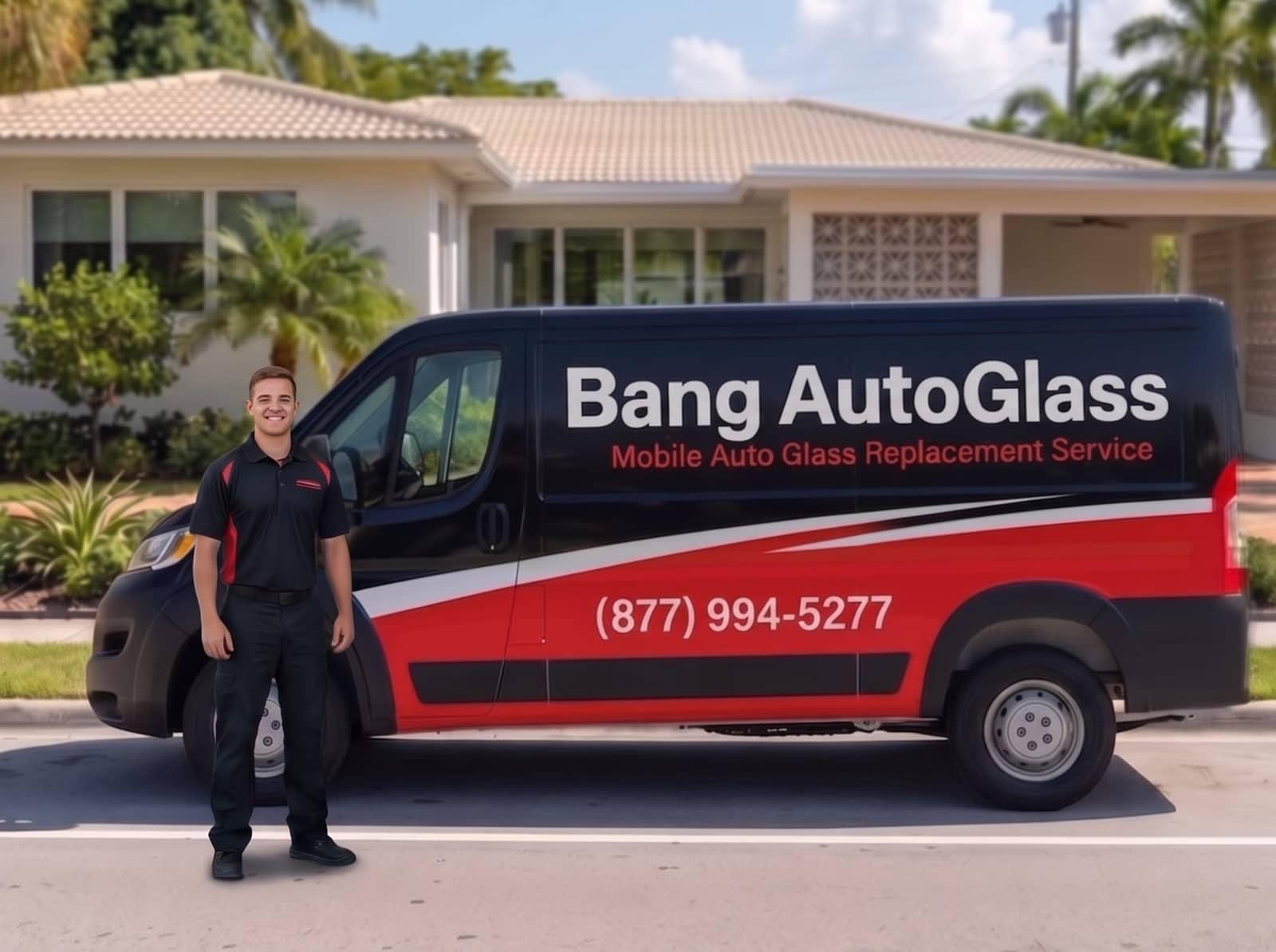
Bang AutoGlass is proud to be a fully mobile auto glass and calibration service, which means we bring the calibration to you whenever conditions allow. For most Subaru ADAS calibration appointments, we can perform the work at your home, driveway, or workplace as long as the location meets the level surface and lighting requirements Subaru demands. When environmental conditions do not allow for an on-site calibration, we coordinate a controlled location nearby to complete the work properly.
A typical Subaru windshield replacement at Bang AutoGlass takes 30 to 45 minutes, followed by approximately one hour for the urethane adhesive to fully cure before the vehicle can be driven. ADAS calibration is performed either alongside or immediately after that cure window, depending on the model and method required. We offer next-day appointments on most Subaru calibration requests, so you are not waiting weeks to get your EyeSight system back in proper working order.
Insurance Coverage for Subaru ADAS Calibration
Most comprehensive auto insurance policies cover Subaru ADAS calibration when it is performed as part of a covered windshield replacement, and in many states glass coverage applies with little or no deductible.
How Coverage Typically Works
Insurance carriers generally treat ADAS calibration as a necessary part of windshield replacement on EyeSight-equipped vehicles. The calibration line item is usually billed directly to the insurance company alongside the glass and labor, so customers rarely see an out-of-pocket cost beyond their deductible if one applies.
How Bang AutoGlass Helps With Your Claim
If you have not already filed a claim with your insurance company, Bang AutoGlass is happy to walk you through the process step by step. We help you with the insurance claim from start to finish and make the process as smooth as possible. Our goal is to make the experience as smooth as possible while keeping you in control of your claim and your policy.
Why Subaru Owners Choose Bang AutoGlass
Bang AutoGlass has earned a reputation among Subaru owners as a trusted partner for windshield replacement and ADAS calibration, and there are several reasons our customers come back to us and refer their friends.
OEM-Quality Materials
We use OEM-quality glass and adhesives on every Subaru we service, ensuring the optical clarity and bonding standards match what EyeSight requires to function correctly. Cutting corners on glass quality on an EyeSight-equipped Subaru is one of the fastest ways to cause calibration problems, and we refuse to do that.
Lifetime Workmanship Warranty
Every Subaru windshield replacement and ADAS calibration we perform is backed by our lifetime workmanship warranty. If anything ever goes wrong with the installation or calibration as a result of our work, we make it right at no additional cost to you.
Next-Day Appointments
We understand that an out-of-spec EyeSight system makes your Subaru less safe to drive, and waiting weeks for an appointment is not acceptable. That is why Bang AutoGlass offers next-day appointments on most Subaru ADAS calibration requests.
Mobile Convenience
Our fully mobile service means you do not have to take a half day off work or sit in a waiting room. We come to your home, office, or other suitable location to handle your Subaru windshield replacement and EyeSight calibration efficiently and professionally.
Schedule Your Subaru ADAS Calibration With Bang AutoGlass
Whether you drive an Outback, Forester, Crosstrek, Legacy, Impreza, Ascent, or WRX, restoring your Subaru's EyeSight system to factory specification is essential after any windshield replacement or related repair. Bang AutoGlass combines OEM-quality materials, a lifetime workmanship warranty, next-day mobile appointments, and full Subaru ADAS calibration capability to make the process easy from start to finish. Reach out today using the contact form at the top of the page or call our team directly, and we will get your Subaru calibrated and back on the road safely.
Subaru ADAS Calibration — common questions
What is Subaru ADAS calibration and why do I need it?
ADAS calibration realigns the safety cameras and sensors on your Subaru after windshield replacement so features like lane-keeping and automatic braking work accurately again. Without recalibration, these systems may not function properly.
How long does Subaru ADAS calibration take?
ADAS calibration typically takes 15-30 minutes to complete. This is included as part of your windshield replacement appointment, so the total visit is usually 1.5-2 hours from start to finish.
Does ADAS calibration cost extra?
ADAS calibration is included with your windshield replacement at no additional charge. The cost depends on your Subaru model and glass type, and comprehensive insurance often covers the entire job with nothing out of pocket.
Will my Subaru's safety features work right after windshield replacement?
No. Without ADAS calibration, your lane-keeping assist, adaptive cruise control, and collision prevention features may not function correctly. Calibration ensures they work as designed to keep you safe.
Where we do Subaru auto glass
Bang AutoGlass is a mobile auto glass company serving Arizona and Florida. We don't have a shop you drive to — we come to your home, your job, or wherever the car is sitting, with next-day appointments in most areas. In Arizona that means the whole Valley — Phoenix, Mesa, Scottsdale, Chandler, Gilbert, Tempe, Glendale and out to Tucson and Prescott. In Florida we cover Tampa Bay, Orlando and Miami, from St. Petersburg and Clearwater across to Kissimmee, Winter Park and Fort Lauderdale.
Browse every city we serve in Arizona and Florida, or read how coverage works under Arizona's glass statutes and Florida's § 627.7288.
Mobile auto glass — cities we serve
4.8★ on Google · 350+ reviews from AZ & FL drivers
“I needed my windshield replaced and they made the entire process easy. Bang AutoGlass is the best!”
“Top-notch auto glass service. They handled my windshield replacement quickly and professionally.”
“Bang AutoGlass made my windshield replacement simple from start to finish.”
Need Subaru ADAS Calibration?
We come to you across Arizona and Florida — often $0 with insurance.
We reply within minutes during business hours.