Mclaren Quarter Glass Replacement
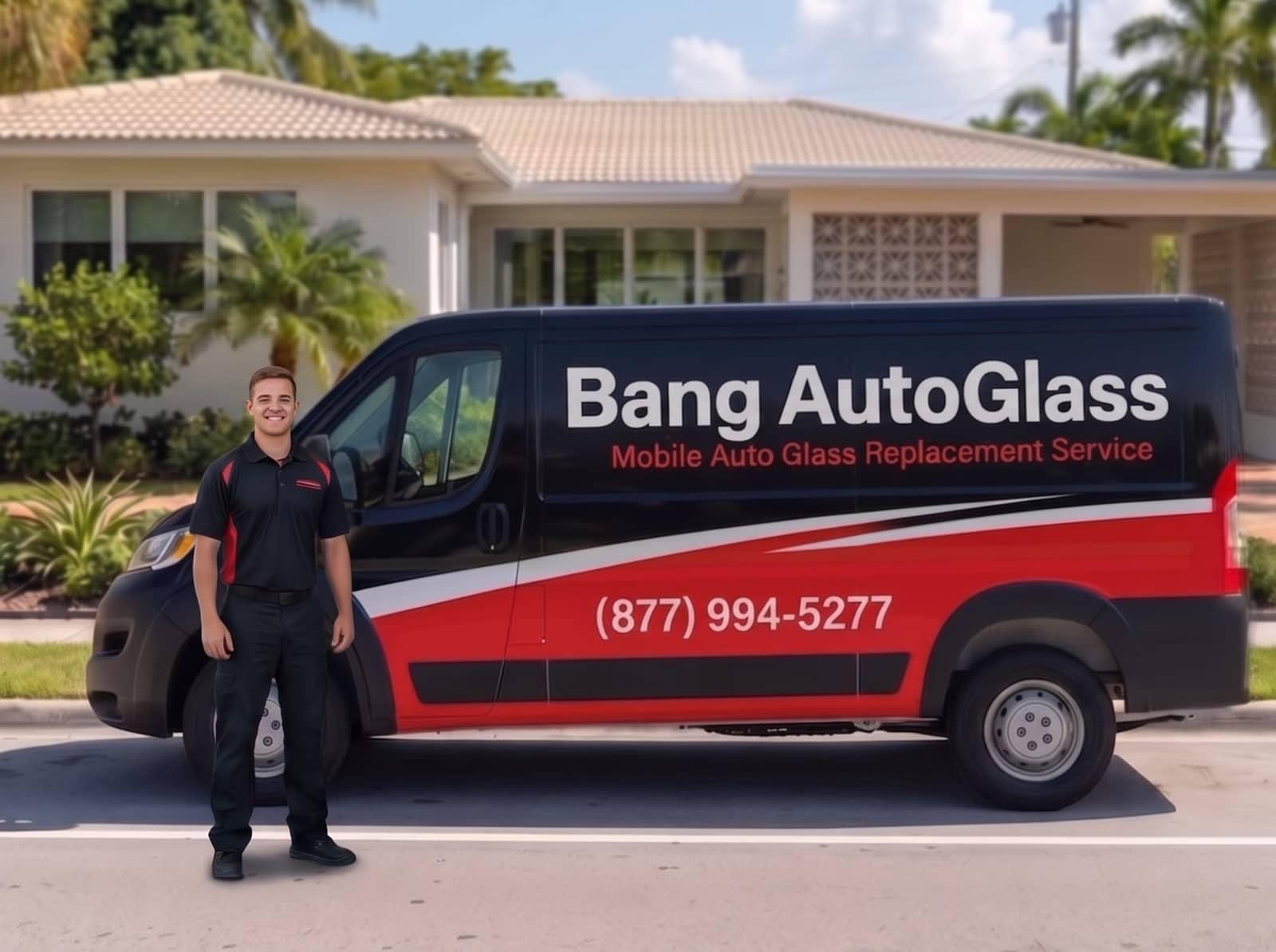
Bang AutoGlass replaces McLaren quarter glass on 720S, GT, Artura, and 750S with OEM-quality tempered safety glass set in fresh urethane for a flush, factory-matched seal. Mobile service in Arizona and Florida includes careful trim work, exact alignment, and lifetime warranty.
McLaren Quarter Glass Replacement
When it comes to maintaining the exotic beauty and structural integrity of a McLaren, every piece of glass on the vehicle matters, and the quarter glass is no exception. McLaren quarter glass replacement is a specialty service that requires precision, the right materials, and a technician who understands the unique construction of these British supercars. At Bang AutoGlass, we provide expert quarter glass replacement services tailored specifically for McLaren owners who demand nothing less than excellence for their high-performance vehicles.
Understanding Quarter Glass on Your McLaren
What Is Quarter Glass?
Quarter glass, sometimes referred to as a quarter window, quarter panel glass, or rear side window, is the smaller pane of glass located between the door window and the rear of the vehicle. On a McLaren, this glass plays both an aesthetic and functional role, contributing to the aerodynamic silhouette that defines the brand while also providing structural support to the cabin and helping insulate the interior from outside elements. Unlike standard production cars, McLaren quarter glass is often shaped with extreme curvature and integrated into the carbon fiber MonoCell chassis design, making replacement a job that should only be handled by glass professionals who understand exotic vehicle construction.
Why McLaren Quarter Glass Is Unique
Every piece of glass on a McLaren is engineered to complement the vehicle's lightweight philosophy and futuristic styling. McLaren quarter glass is typically thinner, lighter, and more precisely cut than the glass found in mainstream vehicles, while still meeting strict safety and acoustic insulation standards. The quarter glass often incorporates dark tinting, acoustic interlayers, and bonded mounting points that integrate directly with the carbon fiber tub. Because of these factors, generic replacement methods used by general auto glass shops can lead to leaks, wind noise, or even structural compromise. McLaren quarter glass replacement requires OEM-quality glass that matches the curvature, tint, and bonding profile of the original piece.
Common McLaren Models We Service for Quarter Glass Replacement
McLaren 570S, 570GT, 540C, and 600LT
The Sports Series McLarens, including the 570S, 570GT, 540C, and 600LT, all feature distinctive quarter glass panels that follow the flowing lines of the rear three-quarter design. The 570GT is particularly known for its extended glass roof and larger rear quarter windows that flow seamlessly into the rear hatch area. Replacing quarter glass on these models requires careful removal of surrounding trim, careful detachment from the bonded urethane, and equally careful installation of a new OEM-quality piece to preserve the model's signature profile.
McLaren 720S, 750S, and 720S Spider
The Super Series McLarens, like the 720S, 750S, and 720S Spider, have some of the most complex quarter glass shapes in the lineup. The dihedral doors, the floating side intakes, and the steeply angled rear deck all converge near the quarter glass, demanding millimeter-perfect alignment during installation. We replace quarter glass on both Coupe and Spider variants, and we always use OEM-quality glass that maintains the factory acoustic and optical clarity standards McLaren engineers built the car around.
McLaren GT and Artura
The McLaren GT and the hybrid Artura represent McLaren's grand touring and next-generation hybrid lineup, and both have unique quarter glass configurations. The McLaren GT in particular features a larger rear quarter glass area to support its grand tourer character and panoramic visibility. The Artura, as McLaren's first series-production hybrid, introduces refined quarter glass panels that integrate with new lighter body panels. Both require specialized installation techniques and OEM-quality replacement glass to maintain proper fitment and seal.
McLaren Senna, Speedtail, P1, and Limited Editions
For limited-production and Ultimate Series models like the Senna, Speedtail, P1, and 765LT, quarter glass replacement is even more specialized. These vehicles often have bespoke glass dimensions, unique tinting, and integrated vents or scoops near the quarter panel. While availability of OEM-quality glass for these limited models can take additional time to source, Bang AutoGlass works directly with trusted suppliers to obtain the correct piece for your specific chassis and model year.
Common Causes of McLaren Quarter Glass Damage
Quarter glass damage on a McLaren can happen for a variety of reasons, and even though these vehicles are usually driven sparingly, the risk of glass damage is still very real. The most common culprits include road debris kicked up by surrounding vehicles, vandalism or attempted theft, falling tree branches or hail, parking lot mishaps, garage door incidents, stress cracks from extreme temperature changes, and improper prior installations that lead to leaks or rattles that eventually compromise the seal. Whatever the cause, replacing the damaged quarter glass quickly is critical to preserving the value, comfort, and security of your supercar.
- Road debris and rocks thrown from surrounding traffic, especially at highway speeds
- Vandalism, smash-and-grab break-ins, or attempted theft
- Severe weather events including hailstorms, falling tree limbs, or wind-blown debris
- Parking lot dents or collisions that crack or shatter the quarter panel glass
- Garage door, gate, or low-clearance incidents during entry and exit
- Stress cracks caused by sudden temperature changes or improper prior repair work
Why You Shouldn't Delay McLaren Quarter Glass Replacement
A cracked, chipped, or shattered quarter glass on a McLaren is more than a cosmetic issue. Driving with damaged quarter glass exposes the interior of your supercar to moisture, dust, road grime, and UV damage, all of which can degrade the leather and Alcantara surfaces that McLaren is known for. Worse, a compromised piece of glass can become a security liability, signaling to potential thieves that the vehicle is vulnerable. Damage near the bonding line can also weaken the structural envelope of the cabin, especially in convertible Spider variants where the side glass plays a more pronounced role in cabin rigidity. Scheduling a McLaren quarter glass replacement as soon as you notice damage protects your investment and keeps your vehicle road-ready.
The Bang AutoGlass McLaren Quarter Glass Replacement Process
We approach every McLaren quarter glass replacement with the same level of detail and care you would expect from a McLaren Qualified Service Center, while bringing the convenience of mobile service directly to your home, office, or storage facility. Our technicians are trained on exotic vehicle glass installation and use only OEM-quality materials sourced from suppliers who manufacture to McLaren specifications.
Our Step-by-Step Replacement Procedure
- Conduct a complete inspection of the damaged quarter glass, surrounding trim, and bonding surfaces to verify the correct replacement piece and approach.
- Carefully remove all surrounding interior and exterior trim pieces using non-marring tools designed to protect carbon fiber and painted surfaces.
- Cut out the damaged quarter glass using fiber line or cold-knife techniques specifically calibrated for bonded exotic vehicle glass.
- Clean and prep the bonding surface, removing all old urethane and primer residue, and treating the surface with new primer.
- Apply a high-strength automotive urethane bead that meets or exceeds OEM specifications for shear, peel, and weather resistance.
- Set the new OEM-quality McLaren quarter glass into place with precision alignment to match the door glass, body lines, and seal channels.
- Reinstall all trim, seals, and interior panels and perform a final water and leak test to confirm a flawless installation.
The entire installation typically takes about thirty to forty-five minutes, followed by approximately one hour of urethane cure time before the vehicle is safe to drive. We always recommend giving the bond a full cure window for the best long-term results.
OEM-Quality Materials for Your McLaren
When it comes to a vehicle like a McLaren, the difference between cheap glass and OEM-quality glass is night and day. At Bang AutoGlass, we exclusively use OEM-quality glass that matches the original equipment in thickness, curvature, tint, and acoustic performance. Our urethanes are crash-tested and meet Federal Motor Vehicle Safety Standards for bonded auto glass, ensuring your McLaren retains its factory structural integrity. We never cut corners with off-brand glass that could distort visibility, leak, whistle at speed, or shift over time. OEM-quality glass also helps preserve resale value, which is especially important for collectible McLaren models that command premium pricing in the used market.
The Convenience of Mobile McLaren Quarter Glass Service
One of the biggest advantages of working with Bang AutoGlass is that we are a fully mobile auto glass service. We understand that McLaren owners often prefer not to drive their vehicles to a glass shop, especially when there is already damage to the car. Many of our customers store their McLarens in climate-controlled garages, exotic car storage facilities, or private estates, and driving the vehicle with a damaged quarter glass risks further harm. Our mobile technicians arrive at your chosen location with everything needed to complete the replacement on-site, allowing you to keep your McLaren in the comfort and security of its home environment throughout the entire process.
Next-Day Appointments for Urgent Replacements
McLaren owners typically expect a higher level of responsiveness, and Bang AutoGlass delivers exactly that. We offer next-day appointment availability for McLaren quarter glass replacement, meaning you do not have to wait days or weeks to get your supercar back to perfect condition. Whether your damage is the result of a recent road trip, an unexpected weather event, or an accident in a private garage, we make scheduling as easy as a quick phone call or online form submission. Faster service means less time worrying about your car and more time enjoying it.
Lifetime Workmanship Warranty
Every McLaren quarter glass replacement we perform is backed by a lifetime workmanship warranty. This is one of the things that sets Bang AutoGlass apart from general auto glass providers. We stand behind the quality of our installations for as long as you own the vehicle, covering issues such as leaks, wind noise, or installation-related defects. Our lifetime workmanship warranty gives McLaren owners peace of mind, knowing that the work performed on their supercar will hold up just as well as the original factory installation, year after year.
Insurance Claim Assistance for McLaren Owners
If your McLaren quarter glass damage is covered under your comprehensive insurance policy, we can help walk you through the entire claim process. We help you with the insurance claim from start to finish and make the process as smooth as possible. We will help you understand what information is needed, how the claim will affect your deductible, and what documentation we can provide to make the process as smooth as possible. Many McLaren owners are surprised to learn that quarter glass damage is often covered under comprehensive coverage with little or no out-of-pocket cost beyond the deductible, depending on the policy.
Cost Considerations for McLaren Quarter Glass Replacement
The total cost of a McLaren quarter glass replacement varies depending on a number of factors. Pricing on exotic vehicles is generally higher than mainstream replacements because of the specialized glass, tighter tolerances, and additional labor required. The model year and trim, the availability of OEM-quality glass, whether the vehicle is a Coupe or Spider, any related trim or seal damage, and the location of the appointment all play a role in the final quote. We always provide a transparent estimate up front, and we work with insurance carriers to maximize the coverage available to you. Customers paying out of pocket can also expect honest, straightforward pricing without surprise fees.
Why McLaren Owners Choose Bang AutoGlass
Bang AutoGlass has built a reputation among exotic vehicle owners for combining technical expertise with the kind of white-glove service that supercars deserve. McLaren owners specifically choose us because we understand the brand, we use OEM-quality materials, we offer mobile service that respects the security and storage preferences of supercar customers, and we back every installation with a lifetime workmanship warranty. Add in next-day appointments and hands-on insurance claim assistance, and you have a service experience designed from the ground up for McLaren ownership.
Frequently Asked Questions About McLaren Quarter Glass Replacement
How long will my McLaren quarter glass replacement take?
Most McLaren quarter glass replacements take approximately thirty to forty-five minutes for the installation itself, followed by around one hour of urethane cure time before it is safe to drive. We always recommend planning for the full window to give the bond time to set properly.
Can I book a next-day appointment?
Yes, we offer next-day appointment availability for McLaren quarter glass replacement. In most cases you can have your vehicle completed within a day, allowing you to get your supercar back to perfect condition quickly. We will give you specific guidance on scheduling based on current availability.
Do you replace quarter glass on every McLaren model?
We service the full McLaren lineup, including the 540C, 570S, 570GT, 600LT, 720S, 750S, 765LT, GT, Artura, Senna, Speedtail, P1, and other limited-production models. If you have a rare or limited-edition McLaren, contact us so we can confirm glass availability for your specific chassis.
Is the replacement glass actually OEM?
We use OEM-quality glass that matches the original specifications of your McLaren, including curvature, thickness, tint, and acoustic properties. This ensures a flawless fit and finish, preserves resale value, and meets the same safety standards as the factory glass.
Will my insurance cover the replacement?
Most comprehensive auto insurance policies cover McLaren quarter glass replacement, although your deductible and policy specifics will determine your out-of-pocket cost. We help you with the insurance claim from start to finish and make the process as smooth as possible.
Schedule Your McLaren Quarter Glass Replacement Today
If your McLaren has suffered quarter glass damage, do not wait. Every day your supercar sits with a compromised piece of glass is another day exposed to weather, debris, theft risk, and potential secondary damage. Bang AutoGlass is ready to bring expert mobile McLaren quarter glass replacement directly to you, with next-day appointments, OEM-quality materials, a lifetime workmanship warranty, and hands-on insurance claim assistance. Reach out today through our website or by phone, and let us restore your McLaren to factory-perfect condition with the precision and care it deserves.
Mclaren Quarter Glass Replacement — common questions
How long does McLaren quarter glass replacement take?
Most quarter glass replacements take about 30-45 minutes to complete, then time for the adhesive to set — about an hour is typical, and your technician confirms the exact safe drive-away time. The total visit is usually around 1.5-2 hours.
Is mobile quarter glass replacement the same quality as a shop?
Yes. Our fully-equipped technicians perform the complete replacement at your location with OEM-quality materials and workmanship, meeting the same standards as a fixed shop.
What's covered by your warranty on quarter glass?
Every replacement is backed by a lifetime workmanship warranty, so you're covered for any defects in the workmanship and materials for as long as you own the vehicle.
Does insurance cover McLaren quarter glass replacement?
Comprehensive insurance often covers quarter glass damage. We help you file your claim and many jobs are fully covered with nothing out of pocket, depending on your policy and deductible.
Where we do McLaren auto glass
Bang AutoGlass is a mobile auto glass company serving Arizona and Florida. We don't have a shop you drive to — we come to your home, your job, or wherever the car is sitting, with next-day appointments in most areas. In Arizona that means the whole Valley — Phoenix, Mesa, Scottsdale, Chandler, Gilbert, Tempe, Glendale and out to Tucson and Prescott. In Florida we cover Tampa Bay, Orlando and Miami, from St. Petersburg and Clearwater across to Kissimmee, Winter Park and Fort Lauderdale.
Browse every city we serve in Arizona and Florida, or read how coverage works under Arizona's glass statutes and Florida's § 627.7288.
Mobile auto glass — cities we serve
4.8★ on Google · 350+ reviews from AZ & FL drivers
“I needed my windshield replaced and they made the entire process easy. Bang AutoGlass is the best!”
“Top-notch auto glass service. They handled my windshield replacement quickly and professionally.”
“Bang AutoGlass made my windshield replacement simple from start to finish.”
Need Mclaren Quarter Glass Replacement?
We come to you across Arizona and Florida — often $0 with insurance.
We reply within minutes during business hours.