Chrysler Sunroof Glass Replacement
Bang AutoGlass replaces Chrysler sunroof and panoramic moonroof glass on Pacifica, 300, and Voyager with OEM-spec panels, fresh weather seals, and full drainage-tube inspection. Mobile service across Arizona and Florida includes alignment, leak testing, and lifetime workmanship warranty.
Chrysler Sunroof Glass Replacement
When the sunroof glass on your Chrysler cracks, shatters, or starts leaking, you need a fast, reliable solution that gets your vehicle back to factory-fresh condition without compromising on quality. At Bang AutoGlass, we specialize in Chrysler sunroof glass replacement for every model in the lineup, from the bold Chrysler 300 luxury sedan to the family-favorite Pacifica minivan and the spacious Voyager. Our mobile service brings expert auto glass technicians directly to your home, office, or wherever your Chrysler is parked, eliminating the hassle of dropping your car off at a shop and waiting around for hours. Whether you're dealing with a spontaneously shattered moonroof, storm damage, or a sunroof that simply won't seal properly anymore, we offer next-day appointments, OEM-quality replacement glass, and a lifetime workmanship warranty on every Chrysler sunroof replacement we perform.
Understanding Your Chrysler Sunroof System
Chrysler has long been known for incorporating premium sunroof and moonroof systems into its vehicles, giving drivers and passengers an open-air driving experience with the touch of a button. Today's Chrysler sunroof assemblies are far more sophisticated than the simple sliding panels of decades past, integrating tempered safety glass, electric motors, drainage channels, weather seals, and computerized control modules into one cohesive unit. Understanding how your specific Chrysler sunroof works is the first step in getting the right replacement glass installed correctly.
Factory Sunroof Versus Panoramic Sunroof in Chrysler Vehicles
Chrysler offers two primary types of sunroof systems across its model lineup. The standard factory sunroof, often called a moonroof, is a single panel of tinted tempered glass that tilts or slides open above the front-row seats. This style is found in older Chrysler Sebring, Chrysler Aspen, and many trim levels of the Chrysler 300. The panoramic sunroof, on the other hand, is a much larger glass roof system that extends across both the front and rear seating areas, sometimes covering nearly the entire roof. Panoramic sunroofs are most common in the Chrysler Pacifica, particularly the Pinnacle and Limited trim levels, where the dual-pane Tri-Pane panoramic sunroof has become a signature feature. Each type of sunroof requires specific replacement glass cut to exact factory specifications, and our technicians at Bang AutoGlass are trained to handle both with precision.
Chrysler Models We Service for Sunroof Glass Replacement
Our experienced auto glass technicians work on the full range of Chrysler vehicles equipped with sunroofs and moonroofs. We regularly perform Chrysler 300 sunroof replacement, Chrysler Pacifica panoramic sunroof replacement, Chrysler Voyager moonroof replacement, Chrysler Sebring sunroof glass replacement, Chrysler Aspen sunroof replacement, and Chrysler Town and Country sunroof replacement. We also handle older models including the Chrysler PT Cruiser, Chrysler Concorde, Chrysler LHS, and Chrysler Crossfire. No matter the year or trim, we source OEM-quality sunroof glass that matches the original factory tint, curvature, and mounting points exactly.
Common Causes of Chrysler Sunroof Glass Damage
Sunroof glass damage on Chrysler vehicles can occur for a wide variety of reasons, and understanding what caused the damage often helps determine whether a simple glass replacement is enough or whether additional components need attention.
Spontaneous Sunroof Shattering
One of the most surprising and frustrating issues Chrysler owners face is spontaneous sunroof shattering, where the tempered glass panel suddenly explodes without any apparent impact. This phenomenon is most commonly reported on panoramic sunroofs found in vehicles like the Chrysler Pacifica. Spontaneous shattering typically results from microscopic imperfections in the tempered glass that, when combined with thermal stress from sun exposure and temperature swings, cause the panel to fail catastrophically. If your Chrysler sunroof shattered while you were driving or parked, you need a fast replacement to protect the interior from weather and theft.
Impact Damage from Road Debris and Falling Objects
Rocks kicked up from highway traffic, tree branches, hail stones, and even falling ice from overpasses can crack or break Chrysler sunroof glass. Because sunroofs sit at the highest point of the vehicle, they're particularly vulnerable to debris coming straight down. Even a small chip in the corner of a sunroof panel can quickly spread into a major crack as the vehicle flexes during normal driving.
Weather and Temperature Stress
Chrysler vehicles parked outdoors face constant exposure to intense sunlight, freezing temperatures, hail, and rapidly shifting weather conditions. Over time, this thermal cycling weakens both the glass itself and the urethane bonding that holds it in place. A sunroof that's been stressed by years of temperature swings can crack along the edges or pop loose from its frame, leading to leaks and wind noise.
Wear and Tear on Seals and Tracks
Sometimes the glass itself is fine, but worn weatherstripping, deteriorated rubber gaskets, or damaged tracks cause sunroof problems that look like glass issues. Water leaks down the headliner, wind whistles at highway speeds, and the panel refuses to close flush with the roof. During every Chrysler sunroof replacement, our technicians inspect the surrounding seals and channels to make sure your new glass installs into a clean, functional system.
Signs You Need a Chrysler Sunroof Glass Replacement
Recognizing the warning signs of sunroof damage early can save you from much bigger problems down the road. Some indicators are obvious, like a fully shattered panel, while others are more subtle. Cracks of any size in the sunroof glass almost always require replacement because once tempered safety glass loses its structural integrity, it cannot be repaired the way a small windshield chip can. Water dripping onto the headliner, the dashboard, or into the cabin during rain is another clear indicator. Wind noise that wasn't there before, especially at highway speeds, often points to a compromised seal or hairline crack in the glass. A sunroof that won't fully close or that opens unevenly may have shifted in its frame due to damaged mounting points. Finally, if you can see daylight around the edges of the closed panel from inside the cabin, the glass assembly needs immediate attention before the leak gets worse.
Our Chrysler Sunroof Glass Replacement Process
When you book a Chrysler sunroof glass replacement with Bang AutoGlass, we follow a meticulous step-by-step process that ensures your new glass is installed safely, securely, and to factory specifications.
- Initial inspection where our technician examines the damaged sunroof, the surrounding frame, the weather seals, and the drainage channels to identify everything that needs attention.
- Removal of the damaged sunroof glass, carefully extracting any broken pieces and protecting your interior from glass fragments and contaminants.
- Cleaning and preparation of the mounting frame, scraping away old urethane and ensuring a perfectly clean bonding surface.
- Application of high-quality automotive urethane adhesive rated for structural sunroof installations.
- Precise placement of the new OEM-quality Chrysler sunroof glass into the prepared frame, with careful alignment to ensure proper fit and function.
- Curing time of approximately one hour for the urethane to set properly before the vehicle is safe to drive.
- Final inspection and water testing to confirm that the new sunroof opens, closes, tilts, and seals exactly as it should.
Mobile Chrysler Sunroof Replacement Service
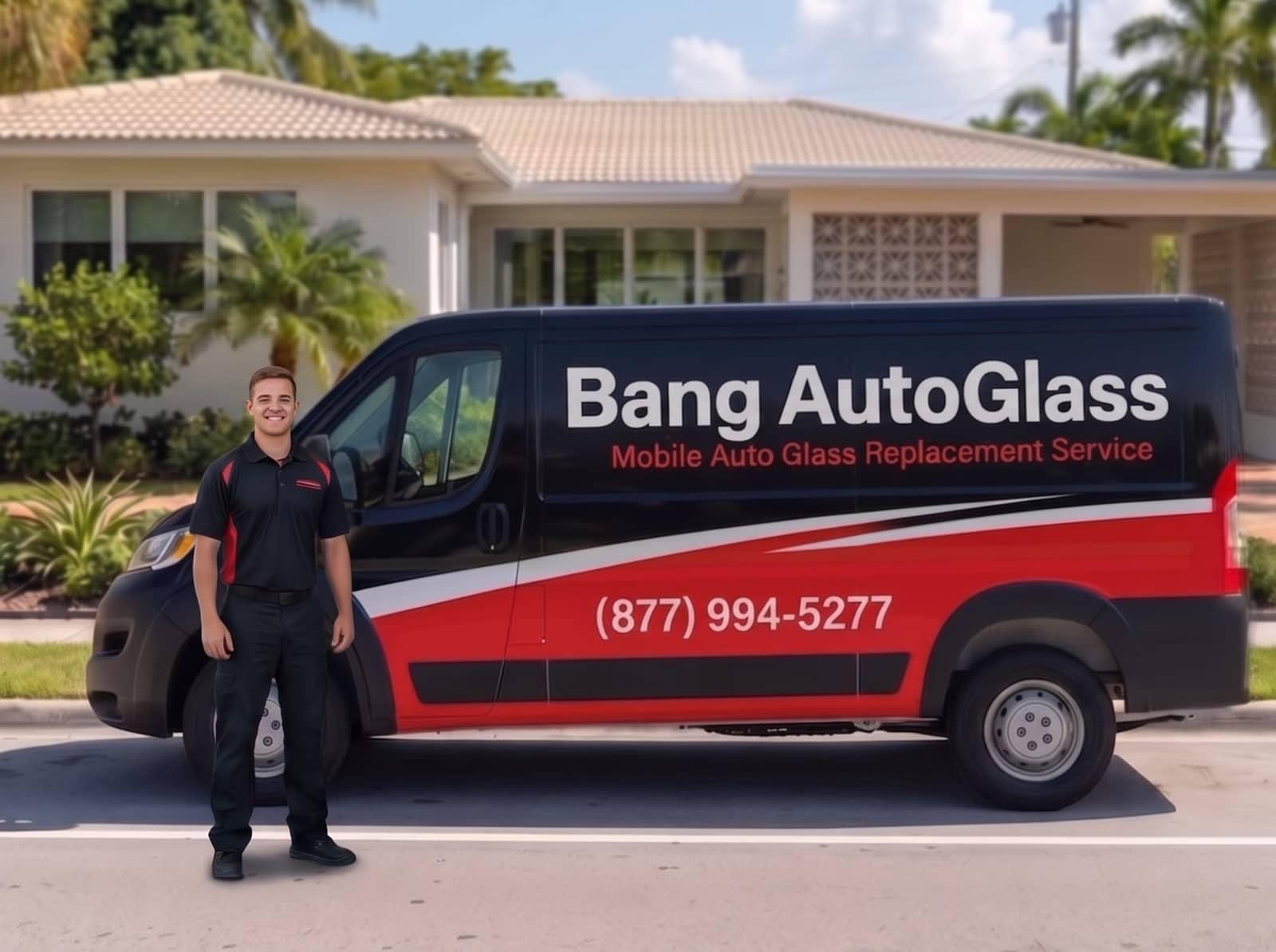
Bang AutoGlass is a fully mobile auto glass company, which means we bring our shop to you. There's no need to schedule time off work to drop your Chrysler at a glass shop, sit in a waiting room, or arrange a ride home. Our technicians arrive at your driveway, your office parking lot, or anywhere else your vehicle is parked, equipped with everything needed to complete a professional Chrysler sunroof glass replacement on the spot. Most sunroof replacements take just 30 to 45 minutes of actual work time, followed by approximately one hour of urethane curing before you can drive the vehicle. This mobile approach is especially valuable for Chrysler owners dealing with a shattered or leaking sunroof, because driving with a damaged sunroof exposes your interior to weather damage and creates a serious safety hazard from loose glass.
OEM-Quality Materials for Every Chrysler Sunroof Replacement
The quality of replacement glass matters enormously when it comes to sunroof systems. Cheap, low-grade glass can have incorrect curvature, improper tint, poorly placed mounting points, or insufficient strength to handle the structural demands of a moving roof panel. At Bang AutoGlass, every Chrysler sunroof replacement uses OEM-quality glass that meets or exceeds the original factory specifications. The tempered safety glass we install is engineered for the same impact resistance, thermal stability, and optical clarity as the panel that came from the Chrysler factory. The tint matches the original shade so your replaced panel doesn't look out of place next to the rest of your vehicle's glass. Mounting hardware, bonding points, and dimensional tolerances are all manufactured to factory standards, which means your sunroof motor, tracks, and control modules all interact with the new glass exactly as designed.
Lifetime Workmanship Warranty on Chrysler Sunroof Replacements
We back every Chrysler sunroof glass replacement with a lifetime workmanship warranty for as long as you own the vehicle. If you ever experience an issue related to our installation, whether it's a leak, an alignment problem, a wind noise concern, or any other workmanship issue, we'll come back out and make it right at no cost to you. This warranty reflects our confidence in our technicians, our materials, and our installation process. It also gives Chrysler owners peace of mind knowing that the company performing the work stands behind its results for the long term.
Insurance Claim Assistance for Chrysler Sunroof Replacement
Many Chrysler sunroof glass replacements are covered by comprehensive auto insurance policies, especially when the damage was caused by hail, falling objects, road debris, vandalism, or spontaneous shattering. We help you with the insurance claim from start to finish and make the process as smooth as possible. Our team will help you understand your coverage, explain what information you'll need to provide to your insurance company, and walk you through exactly what to say when you call to start your claim. We can also provide you with detailed documentation, photos of the damage, and itemized estimates that make the claim process much smoother. Many comprehensive policies cover glass damage with little or no deductible, which means your out-of-pocket cost for a Chrysler sunroof replacement could be substantially reduced or even completely covered.
Cost Factors for Chrysler Sunroof Glass Replacement
The cost of replacing sunroof glass on a Chrysler varies based on several important factors. The model and year of your Chrysler is the biggest variable, with newer luxury vehicles like the Chrysler 300 Limited and Pacifica Pinnacle generally requiring more expensive glass than older or base-trim models. The type of sunroof matters too, with single-panel moonroofs being less expensive to replace than the larger panoramic Tri-Pane sunroofs found on premium Pacifica trims. Whether the surrounding seals, weatherstripping, or trim pieces also need replacement can affect the total cost. Insurance coverage often plays a major role in what you actually pay out of pocket, which is why our team will help you understand your coverage options before scheduling the work.
How Long Does a Chrysler Sunroof Replacement Take
One of the most common questions we hear is how long the replacement process takes. The actual hands-on work for most Chrysler sunroof glass replacements takes between 30 and 45 minutes, which includes removing the damaged panel, preparing the frame, installing the new glass, and verifying proper operation. After installation, the urethane adhesive needs approximately one hour to cure before the vehicle can be driven. This brief total turnaround means most customers can be back on the road with minimal disruption to their schedule.
Preventing Future Chrysler Sunroof Damage
Once your Chrysler has a freshly installed sunroof, there are several practical steps you can take to extend its lifespan and prevent future damage:
- Park in shaded areas or garages whenever possible to reduce thermal stress on the glass
- Clean the sunroof drainage channels regularly to prevent clogs that lead to water backup and leaks
- Avoid slamming the sunroof shut or forcing it when it feels stuck
- Inspect the rubber weatherstripping seasonally and clean it with a silicone-safe protectant
- Don't park directly under trees where falling branches or heavy nuts can damage the panel
- Address small chips or cracks immediately before they spread
Why Choose Bang AutoGlass for Your Chrysler Sunroof Replacement
Choosing the right auto glass company for your Chrysler sunroof replacement makes all the difference in how the vehicle looks, performs, and holds up over time. Bang AutoGlass combines deep experience with Chrysler vehicles, factory-specification OEM-quality materials, a fully mobile service model that brings us to your location, next-day appointment availability for fast turnaround, a lifetime workmanship warranty that protects your investment for as long as you own the vehicle, and hands-on insurance claim assistance to make the process simple and affordable. Whether your Chrysler 300 sunroof shattered overnight, your Pacifica panoramic moonroof cracked from a falling branch, or your Voyager moonroof has been leaking through the headliner, we're ready to bring expert service directly to you and restore your Chrysler to factory-fresh condition. Contact Bang AutoGlass today to schedule your Chrysler sunroof glass replacement and experience the difference that quality materials, skilled technicians, and customer-first service can make.
Chrysler Sunroof Glass Replacement — common questions
Can a sunroof glass replacement be done at my location?
Yes. Bang AutoGlass is mobile-only, so a fully-equipped technician comes to your home, work, or roadside to replace your Chrysler sunroof glass with the same quality as a shop.
How long does Chrysler sunroof glass replacement take?
The replacement typically takes 30–45 minutes to complete, then time for the adhesive to set — about an hour is typical, and your technician confirms the exact safe drive-away time. Plan for roughly 1.5–2 hours total for the appointment.
What warranty covers my new Chrysler sunroof glass?
Every replacement is backed by a lifetime workmanship warranty and uses OEM-quality glass and materials, so you're protected for the life of your vehicle.
Does my insurance cover Chrysler sunroof glass replacement?
Comprehensive coverage typically covers sunroof glass damage from sudden events like hail or debris. We help you file your claim, and many customers pay nothing out of pocket if deductible waivers apply.
Where we do Chrysler auto glass
Bang AutoGlass is a mobile auto glass company serving Arizona and Florida. We don't have a shop you drive to — we come to your home, your job, or wherever the car is sitting, with next-day appointments in most areas. In Arizona that means the whole Valley — Phoenix, Mesa, Scottsdale, Chandler, Gilbert, Tempe, Glendale and out to Tucson and Prescott. In Florida we cover Tampa Bay, Orlando and Miami, from St. Petersburg and Clearwater across to Kissimmee, Winter Park and Fort Lauderdale.
Browse every city we serve in Arizona and Florida, or read how coverage works under Arizona's glass statutes and Florida's § 627.7288.
Mobile auto glass — cities we serve
4.8★ on Google · 350+ reviews from AZ & FL drivers
“I needed my windshield replaced and they made the entire process easy. Bang AutoGlass is the best!”
“Top-notch auto glass service. They handled my windshield replacement quickly and professionally.”
“Bang AutoGlass made my windshield replacement simple from start to finish.”
Need Chrysler Sunroof Glass Replacement?
We come to you across Arizona and Florida — often $0 with insurance.
We reply within minutes during business hours.