Windshield Replacement in DeLand, FL
Around Woodland Boulevard, the historic downtown district, and the roads near the university area, windshield damage can turn a normal drive into a problem. Bang AutoGlass provides mobile windshield replacement and auto glass services for drivers who want professional auto glass care.
Mobile service throughout DeLand, Florida — we come to your home, your work, or the roadside.
DeLand is part of our Orlando service area — local line (407) 305-3829.
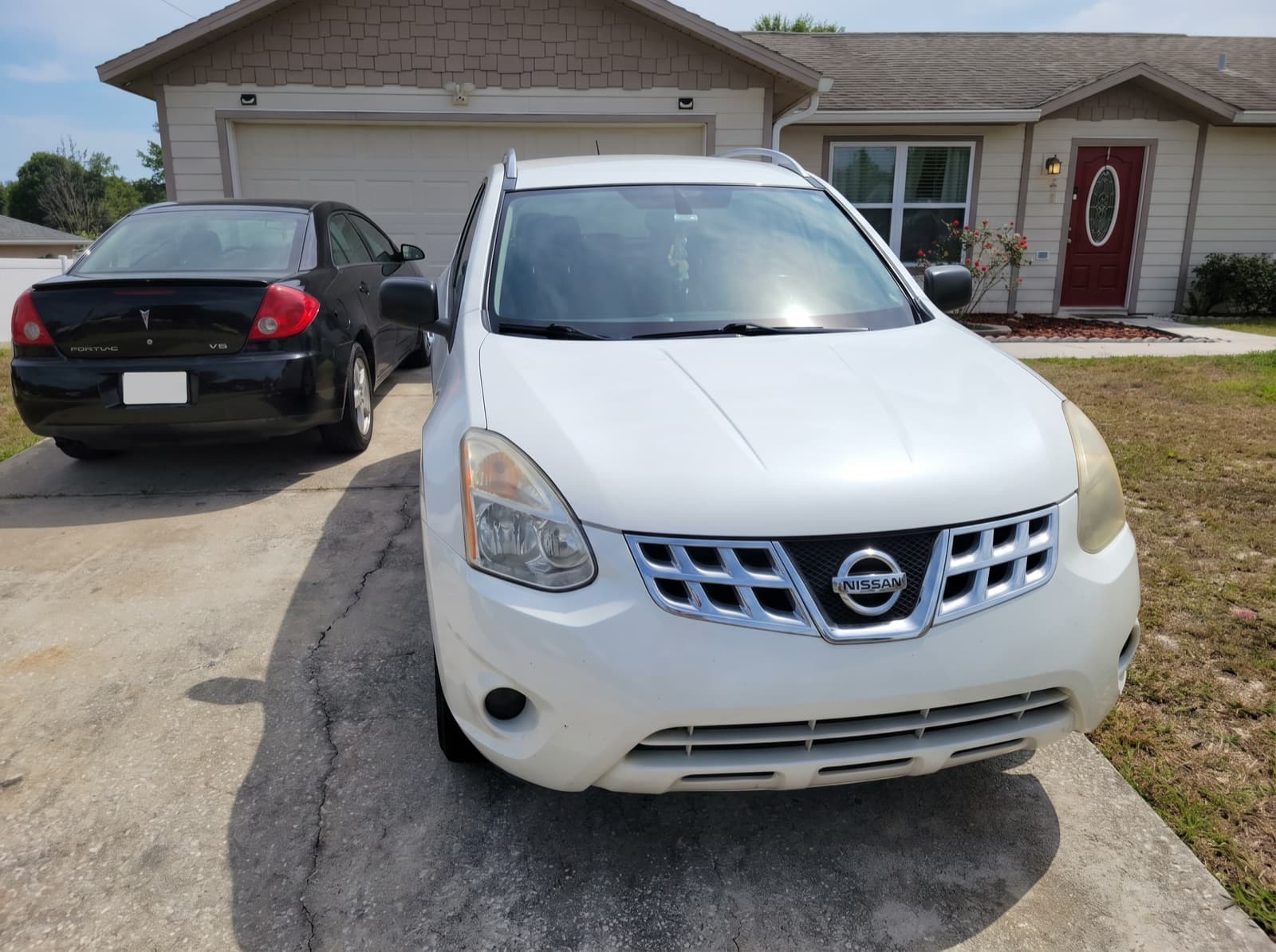
Where we come to you in DeLand
Home & driveway
The most common appointment in DeLand: the van parks in your driveway or at the curb, and you stay inside while the glass is replaced. Most jobs take 30–45 minutes.
Work & office lots
Office parks, garages with clearance, retail and campus lots — we meet you where the car is parked. Gated community or controlled lot? Just mention it when you book.
Roadside
Cracked glass doesn't wait for a convenient address. All the crew needs is a flat, level spot with room to open both front doors.
No shop, no waiting room — the shop comes to you. How mobile auto glass service works →
What to expect when we come to you in DeLand
Expert Windshield Replacement and Auto Glass Services in DeLand, Florida
Welcome to Bang AutoGlass, the trusted mobile auto glass team serving drivers throughout DeLand, Florida and the greater Volusia County area. Known affectionately as the "Athens of Florida" and home to historic Stetson University, DeLand combines small-town charm with the everyday driving demands of central Florida living. Whether you're commuting along Woodland Boulevard, parking near the brick-lined storefronts of downtown DeLand, or heading west toward DeLeon Springs and the St. Johns River, a chipped or cracked windshield can quickly turn a normal day into a stressful one. That's exactly why our mobile auto glass service exists. We bring professional windshield replacement, door glass replacement, ADAS calibration, and a full lineup of auto glass services directly to your driveway, workplace, or wherever your vehicle happens to be parked in DeLand.
Why DeLand Drivers Choose Bang AutoGlass for Windshield Replacement
DeLand is a city that values community, craftsmanship, and tradition, and we built Bang AutoGlass with those same priorities in mind. From the historic Athens Theatre district to the residential neighborhoods near Lake Winnemissett, our team understands the unique driving conditions, weather patterns, and lifestyle that shape vehicle ownership in this part of Florida. Every windshield replacement we perform combines technical precision with the personal service DeLand residents expect from local businesses.
Fully Mobile Service Throughout DeLand
We are a fully mobile auto glass company, which means you never have to rearrange your schedule, sit in a waiting room, or arrange a ride to a brick-and-mortar shop. Our technicians arrive at your location with everything needed to perform a complete windshield replacement on site. Most jobs are finished in just 30 to 45 minutes, followed by approximately one hour of safe drive-away time so the urethane adhesive can properly cure. That means you can keep working, enjoy a cup of coffee at one of the downtown DeLand cafés, or simply relax at home while we handle the work.
Next-Day Appointments for DeLand Customers
A cracked windshield should never sit untreated for days on end, especially in Florida where heat, humidity, and sudden temperature swings can rapidly worsen even small chips. Bang AutoGlass offers next-day appointments to DeLand customers, so most service requests can be completed within 24 hours of your initial call. Whether you noticed a crack on your morning drive to Stetson University or after a long highway trip down I-4, we make it easy to get scheduled quickly.
OEM-Quality Materials and Lifetime Workmanship Warranty
Every windshield, door glass, and rear glass we install is OEM-quality, meaning it meets or matches the original specifications set by your vehicle's manufacturer for clarity, fit, thickness, and safety performance. We back our installations with a lifetime workmanship warranty, which means if anything related to the quality of our installation ever fails, we'll make it right. That commitment is something we consider essential to operating in a community-focused city like DeLand.
Comprehensive Auto Glass Services for DeLand Residents
While windshield replacement is our most common service, Bang AutoGlass handles virtually every type of auto glass repair and replacement that DeLand drivers may need. Our technicians are trained on a wide range of vehicle makes and models, from daily commuters to work trucks and family SUVs.
The point where DeLand damage stops being cosmetic
A compromised windshield is more than just a cosmetic concern. The windshield is a structural component of your vehicle, supporting roof integrity in a rollover, providing a backstop for airbag deployment, and protecting occupants from road debris. When a chip spreads into a crack longer than a few inches, intrudes on the driver's line of sight, or extends to the edge of the glass, replacement becomes the safer choice. Our DeLand windshield replacement service uses OEM-quality glass paired with high-grade urethane adhesive to restore your vehicle to factory-level safety standards.
Door Glass Replacement
Whether your driver-side window was shattered in a parking incident near the DeLand Mall, damaged by a falling branch during a summer thunderstorm, or simply gave out after years of use, door glass replacement restores both security and comfort. Our mobile team can remove the broken glass safely, clean out the door panel, and install a new pane that rolls smoothly and seals tightly against the elements. This service is especially important in DeLand's humid climate, where compromised window seals can quickly lead to interior moisture problems.
Quarter Glass Replacement
Quarter glass panels are the smaller, fixed windows located near the rear of many vehicles, often behind the rear doors or alongside the trunk area. Because they're typically attached with adhesive rather than mechanical hardware, quarter glass replacement requires specific expertise to ensure a watertight, factory-quality seal. Our team handles this delicate installation with the same care and precision we bring to every windshield job.
Rear Glass Replacement
Rear glass, also known as the back windshield, is unique because it usually includes integrated defrost lines and sometimes antenna components. A shattered rear windshield is more than just a visibility issue; it exposes your vehicle's interior to weather, debris, and theft. Our DeLand rear glass replacement service includes careful removal of the broken glass, thorough cleanup of the cargo area or back seat, and proper installation with OEM-quality glass that restores defrost functionality and full rear visibility.
Sunroof Glass Replacement
Florida sunshine is one of DeLand's best features, but it can also take a toll on sunroof glass. Whether your sunroof was damaged by debris, suffered a spontaneous crack from thermal stress, or was compromised in an accident, our mobile team can replace sunroof glass on most makes and models. A properly installed sunroof restores both the visual appeal of your vehicle and its protection against rain, leaves, and pollen.
Advanced Driver Assistance System (ADAS) Calibration in DeLand
Modern vehicles are equipped with an array of safety technologies that rely on cameras and sensors mounted to or near the windshield. These systems power features like lane departure warning, automatic emergency braking, adaptive cruise control, and forward collision alerts. When you replace a windshield on a vehicle equipped with these features, the camera or sensor must be recalibrated so it can accurately interpret the road ahead. Bang AutoGlass provides ADAS calibration in DeLand as part of our complete windshield replacement service, ensuring that your vehicle's safety systems function exactly as the manufacturer intended after the new glass is installed. Skipping this step can leave critical safety features misaligned, which is why we treat ADAS calibration as a non-negotiable part of any qualifying replacement.
Fleet Auto Glass Services for DeLand Businesses
DeLand is home to a vibrant business community, from small contractors and trade professionals to delivery operations, agricultural fleets, and service vehicles supporting the Stetson University area. When a fleet vehicle is out of commission due to broken glass, it costs the business in lost productivity and missed appointments. Bang AutoGlass offers dedicated fleet auto glass services for DeLand companies, including scheduled maintenance arrangements, priority response, and on-site service at your yard, parking lot, or job site. Our goal is to keep your vehicles on the road and your team focused on the work that matters most.
Mobile Auto Glass: We Come to You Anywhere in DeLand
The defining feature of Bang AutoGlass is that we eliminate the inconvenience of traditional auto glass shops. There's no waiting room, no shuttle, and no need to take a day off work. Our mobile service covers all of DeLand and the surrounding communities, including the following local areas where we frequently provide service:
- Downtown DeLand and the historic Woodland Boulevard corridor
- The Stetson University campus area and nearby student housing
- Neighborhoods around Lake Winnemissett and Spring Garden Avenue
- Glenwood and the western edge of DeLand near SR-44
- The Daytona Avenue and New York Avenue corridors
- Communities near International Speedway Boulevard and US-17/92
- Surrounding cities including Orange City, DeBary, DeLeon Springs, Lake Helen, and Cassadaga
Our technicians are familiar with DeLand's layout, including the narrow brick streets of the historic district and the residential subdivisions farther from the downtown core. We arrive on time, set up quickly, and complete most jobs in well under an hour of active work.
How DeLand's Climate Affects Your Auto Glass
Living in central Florida means your windshield is constantly exposed to conditions that can accelerate damage. Understanding these factors helps DeLand drivers know when to take action.
Heat and UV Exposure
DeLand summers regularly push temperatures into the mid-90s, and a parked vehicle can reach interior temperatures well above that. This heat causes glass to expand, and any existing chip or crack can spread rapidly when the temperature differential between the inside and outside of the windshield grows. The intense UV exposure can also degrade older windshield adhesive over time, particularly on vehicles that spend long days parked outdoors.
Storm Season and Flying Debris
Hurricane season runs from June through November, and even glancing tropical systems can produce strong winds, heavy rain, and airborne debris in DeLand. Afternoon thunderstorms throughout the summer also kick up loose gravel from roadways. A small impact from a flying pebble or a falling branch can easily turn into a windshield replacement situation if not addressed quickly.
Sudden Temperature Swings
Winter mornings in DeLand can occasionally drop into the 30s or low 40s before warming up rapidly during the day. These sudden swings stress windshield glass, especially if a chip or crack is already present. We often see a wave of replacement requests during these brief cold snaps, and we encourage drivers to schedule service before small damage becomes a major problem.
Insurance Claims Assistance for DeLand Drivers
Many DeLand drivers carry comprehensive auto insurance that covers windshield replacement, and Florida is one of the more glass-friendly states when it comes to insurance benefits. While we do not file the claim on your behalf, we do offer claims assistance to help guide you through the process. Our team can walk you through what information your insurer typically needs, help you understand what to expect, and answer questions about how the process generally works. You remain in control of the claim itself, but we make sure you have the information and support to make filing as straightforward as possible. If you're paying out of pocket, we'll provide a clear estimate up front with no surprise charges.
The Bang AutoGlass Replacement Process
We've refined our process to make auto glass replacement in DeLand as smooth and predictable as possible. Here's what to expect from start to finish:
- Contact us by phone or through our website to describe the damage and your vehicle's make, model, and year.
- Receive a clear, upfront quote and choose a convenient time, often as soon as the next day.
- Our mobile technician arrives at your DeLand location with the OEM-quality glass and all necessary equipment.
- We prepare the work area, carefully remove the damaged glass, and clean the pinch weld and surrounding surfaces.
- We apply high-grade urethane adhesive and install the new glass, taking the time to align it precisely.
- If your vehicle requires ADAS calibration, we complete that step as part of the same appointment.
- We provide care instructions and confirm the safe drive-away time of approximately one hour.
- You drive away with confidence, backed by our lifetime workmanship warranty.
Common Causes of Windshield Damage in DeLand
DeLand drivers face a familiar set of windshield hazards. Highway driving along I-4 and US-17/92 frequently exposes vehicles to gravel and debris kicked up by trucks. Construction zones throughout the city, especially during expansion projects and roadwork, can leave small stones in travel lanes. Tree-lined neighborhoods such as those near Stetson University or Spring Garden are beautiful but can drop branches and acorns during storms. Sandy and dusty conditions in the dry season also contribute to micro-pitting that weakens the windshield over time. Recognizing these everyday hazards is the first step toward protecting your auto glass.
Signs You Need Windshield Replacement Rather Than Repair
Not every windshield issue requires a full replacement, but several warning signs indicate that repair is no longer the safer option. Cracks longer than the width of a dollar bill, damage that reaches the edge of the windshield, chips directly in the driver's line of sight, and any impact that has caused interior glass distortion typically call for replacement rather than resin repair. Multiple chips clustered close together can also compromise the structural integrity of the windshield. If you're unsure, our team can take a look during your appointment and recommend the safest path forward based on what we see.
Why Local Service Matters for DeLand Auto Glass Customers
Choosing a local mobile auto glass provider means working with technicians who understand the community. We know that DeLand has unique seasonal events such as the DeLand Fall Festival of the Arts, that traffic patterns shift dramatically when Stetson is in session, and that many residents rely on a single vehicle for both work and family life. That local awareness translates into more flexible scheduling, faster arrivals, and a service experience that reflects the character of the city we serve. Supporting local mobile auto glass also means keeping your dollars in the community while receiving service that's tailored to DeLand's specific driving conditions.
Schedule Your DeLand Auto Glass Service Today
If your vehicle needs windshield replacement, door glass replacement, quarter glass replacement, rear glass replacement, sunroof glass replacement, ADAS calibration, fleet auto glass service, or any other mobile auto glass service in DeLand, Florida, Bang AutoGlass is ready to help. With next-day appointments, OEM-quality materials, a lifetime workmanship warranty, and a fully mobile team that comes directly to you, we make it easy to get back on the road safely. Reach out today using the contact information at the top of the page or fill out the quick sign-up form to lock in your appointment. Whether you're parked at home near Lake Beresford, working downtown, or out near DeLeon Springs, we'll bring the auto glass expertise of Bang AutoGlass right to your door.
Will yours be $0?
What Florida law actually says about your deductible — in plain English.
Arizona has an optional $0-glass add-on.
With the optional zero-deductible glass coverage (A.R.S. § 20-264) it's often $0 — otherwise your comprehensive deductible applies.
General info, not legal or insurance advice. We confirm your exact policy — free — before any work.
Full details for Florida drivers: Florida auto glass insurance guide →
Auto glass services in DeLand
Florida drivers: windshield replacement is often $0 out of pocket with the right coverage. We verify your policy free, before any work.
Check my coverageWindshield replacement questions from drivers in DeLand
Can Bang AutoGlass replace my windshield in DeLand, Florida?+
Yes, we offer mobile windshield replacement throughout DeLand and the surrounding area. We come to your location with OEM-quality glass and typically have next-day appointments available.
How soon can you replace my windshield in DeLand?+
We typically offer next-day appointments in DeLand. Replacement takes about 30-45 minutes, plus time for the adhesive to set — about an hour is typical, and your technician confirms the exact safe drive-away time.
Will my insurance cover windshield replacement in Florida?+
Florida law waives the deductible for windshield replacement with comprehensive coverage, so many drivers pay nothing out of pocket. We help you file your claim and provide a clear, upfront quote.
Do you offer ADAS calibration for windshield replacement in DeLand?+
Yes, if your vehicle has advanced driver-assist systems, we calibrate them after replacement at no extra charge. Calibration adds about 15-30 minutes to the service.
Do you have a shop in DeLand?+
No — Bang AutoGlass is 100% mobile. The shop comes to you at home, work, or roadside anywhere in DeLand. No shop visit, no waiting room.
How much does windshield replacement cost in DeLand, FL?+
With comprehensive coverage, Florida law (Fla. Stat. §627.7288) waives the deductible for windshield replacement — windshield only; other glass takes your normal comprehensive deductible. We verify your coverage free before any work. General info, not legal or insurance advice — coverage varies by policy.
What glass do you install, and is it warrantied?+
OEM-quality glass on every job, backed by a lifetime workmanship warranty for as long as you own the vehicle.
How long does the replacement take?+
Most jobs take 30–45 minutes, plus the adhesive cure time we walk you through before you drive.
Serving DeLand, Florida
Mobile auto glass that comes to you anywhere in DeLand — home, work, or roadside.
Installs Mon–Sat, 8am–6pm · New appointments 24/7 at (407) 305-3829 · Hablamos español.
4.8★ on Google · 350+ reviews from AZ & FL drivers
“I needed my windshield replaced and they made the entire process easy. Bang AutoGlass is the best!”
“Bang AutoGlass made my windshield replacement simple from start to finish.”
“The team was professional, friendly, and efficient from the first call to the finished job.”