Kia Windshield Replacement
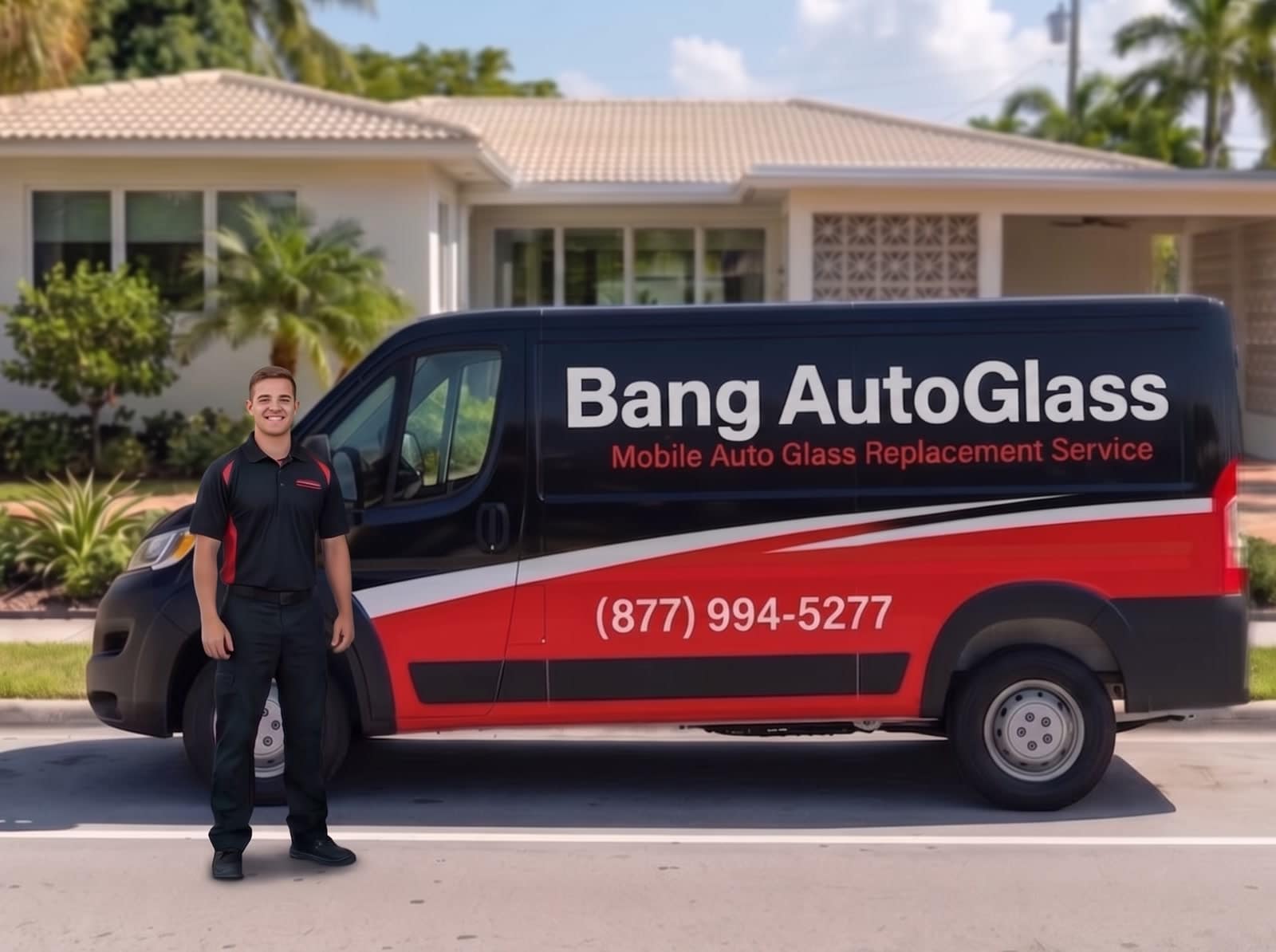
Bang AutoGlass installs Kia windshields on Forte, K5, Sportage, Sorento, Telluride, and EV6 with OEM-spec laminated glass supporting DriveWise forward camera, rain sensor, and HUD on Telluride. Mobile service in Arizona and Florida includes ADAS recalibration and a lifetime workmanship warranty.
14,000+ auto glass jobs completed4.7★ on Google
- We come to you
Home, work, or roadside — no shop visit
- Next-day
In most areas
- Lifetime warranty
On our workmanship, for as long as you own the vehicle
- We file the claim
Coverage verified free, your insurer billed direct
How Kia windshield replacement works in Arizona and Florida
Coverage, price, where we do the work, and how long it takes — the short version, before the details.
Coverage
Often $0 with insurance. Florida waives the windshield deductible with comprehensive coverage (§627.7288), and Arizona insurers must offer optional zero-deductible glass coverage (A.R.S. §20-264). We verify your exact policy, free, before any work.
Price
No single flat price. Your vehicle, glass features, and ADAS requirements determine the quote; your policy determines your deductible. We verify yours free before any work.
Mobile
We come to you — home, work, or roadside, with next-day appointments in most areas.
Timing
Most jobs take 30–45 minutes, backed by a lifetime workmanship warranty on your Kia.
General info, not legal or insurance advice — coverage varies by policy. We confirm your exact coverage free before any work.
Kia Windshield Replacement: Expert Mobile Service for Every Kia Model
When your Kia's windshield is damaged, you need a fast, reliable, and high-quality replacement that protects your investment and keeps you safe on the road. Whether you drive a sleek Kia K5, a family-friendly Sorento, an adventure-ready Telluride, or an all-electric EV6, the windshield in your Kia is far more than just a piece of glass. It's a critical structural component, a housing for advanced safety technology, and a key part of your vehicle's overall performance. At Bang AutoGlass, we specialize in professional Kia windshield replacement with mobile service that comes directly to you, OEM-quality materials, and a lifetime workmanship warranty on every job we complete.
Why Your Kia Windshield Is More Important Than You Think
Modern Kia vehicles are engineered with safety and technology in mind, and the windshield plays a much larger role in your driving experience than most owners realize. Today's Kia windshields contribute to the structural integrity of the vehicle, support advanced driver assistance systems, and provide acoustic insulation that keeps the cabin quiet and comfortable.
Structural Integrity and Rollover Protection
In the event of a collision or rollover, your Kia's windshield contributes up to 30% of the vehicle's roof crush strength. The factory-bonded glass works in tandem with the A-pillars and roof structure to maintain cabin integrity and protect occupants. A poorly installed or low-quality windshield can compromise this protection, which is why working with a professional installer using OEM-quality glass and proper urethane adhesive is essential.
Airbag Deployment Support
The passenger-side airbag in most Kia vehicles deflects off the windshield as it deploys. If the windshield fails or pops out during a crash because of improper bonding, the airbag won't deploy correctly and may not protect the passenger as intended. This is one of the most overlooked safety reasons to choose a qualified Kia windshield replacement specialist.
Sensor and Camera Mounting Platform
Many newer Kia models come equipped with Kia DriveWise, the brand's suite of advanced driver assistance systems (ADAS). The forward-facing camera that powers features like Forward Collision-Avoidance Assist, Lane Keeping Assist, Lane Following Assist, Highway Driving Assist, and Smart Cruise Control is mounted directly behind your windshield. When the glass is replaced, that camera must be precisely recalibrated to ensure these safety features continue to operate accurately.
Kia Models We Service for Windshield Replacement
We replace windshields on the full Kia lineup, including current models, older generations, and electric vehicles. Our technicians are trained on the specific quirks, glass specifications, and trim moldings unique to each Kia. The Kia vehicles we commonly service include:
- Kia Forte, Rio, and K5 sedans
- Kia Optima and Stinger performance models
- Kia Soul and Niro compact crossovers
- Kia Seltos, Sportage, Sorento, and Telluride SUVs
- Kia Carnival minivan
- Kia EV6, EV9, and Niro EV electric vehicles
- Older Kia models including Spectra, Amanti, Rondo, and Sedona
Each of these models has its own glass specifications, trim moldings, and sensor configurations. Our team sources the correct OEM-quality windshield for your specific year, make, model, and trim level, ensuring a perfect fit every time.
When to Replace a Kia Windshield Instead of Repairing It
Not every crack or chip requires a full Kia windshield replacement. However, there are clear indicators when replacement becomes the only safe option.
Size and Depth of the Damage
A chip smaller than a quarter or a crack shorter than three inches can often be repaired with resin injection. Anything larger, or any damage that penetrates both layers of laminated glass, typically requires a full windshield replacement.
Location of the Damage
Damage in the driver's primary line of sight should commonly be replaced rather than repaired, even if the chip is small. Repair resin can leave a slight blemish that distorts vision, which can be a safety issue. Damage near the edge of the windshield is also more likely to spread quickly because the edges of the glass bear more structural stress, making replacement the safer call.
Spreading Cracks
If a crack has begun to spider, branch, or extend across the windshield, replacement is the only solution. Temperature swings, road vibrations, and even closing your door can cause a crack to lengthen, especially in larger Kia SUVs like the Telluride and Sorento where the windshield is broader and bears more flexing stress.
Pitting and Sandblasting
Older Kia vehicles often develop a hazy, pitted windshield from years of sand, gravel, and debris. This pitting causes dangerous glare at night and during sunrise or sunset. A full replacement restores clear visibility and dramatically improves your driving safety.
Kia-Specific Windshield Features That Affect Replacement
Kia has invested heavily in glass technology across its lineup. Depending on the model and trim, your Kia windshield may include several specialized features that require expert handling during replacement.
Acoustic Laminated Glass
Many Kia models, especially in higher trims like the SX, GT-Line, and Limited, come with acoustic windshields that include a sound-dampening interlayer. This glass reduces road noise, wind noise, and engine noise inside the cabin. Replacing an acoustic windshield with standard glass will result in a noisier ride, which is why we always match your original specifications.
Rain-Sensing Wipers and Light Sensors
Models like the Kia K5 GT, Telluride SX Prestige, and Stinger GT often include rain-sensing wiper modules and ambient light sensors mounted to the windshield. These components must be properly transferred or replaced and reconnected to function correctly after installation.
Heated Wiper Park Area
Several Kia models, particularly those sold in colder climates, include a heated wiper park area at the base of the windshield to prevent wiper blades from freezing. This requires a specific windshield with embedded heating elements, and we source the exact match for your Kia.
HUD (Heads-Up Display) Compatibility
The Kia K5, Sorento, Telluride, and EV6 in higher trims may include a heads-up display that projects driving information onto the windshield. HUD-compatible glass has a special wedge-shaped interlayer that prevents double-imaging. Installing standard glass on a HUD-equipped Kia will cause blurry, ghosted projections, so we always match HUD glass to HUD-equipped vehicles.
ADAS Camera Bracket
The forward camera bracket inside your Kia windshield is precision-engineered to hold the camera at exact angles. We use OEM-quality glass with the correct bracket positioning so that calibration is accurate the first time.
Bang AutoGlass replaces glass — we do not offer chip or rock-chip repair.
Bang AutoGlass specializes in replacement — we don’t perform chip repair. If your damage is repairable, a repair shop is the right first call.
The Bang AutoGlass Kia Windshield Replacement Process
When you book a Kia windshield replacement with Bang AutoGlass, we make the process simple, fast, and convenient from start to finish.
Scheduling and Mobile Service
We offer next-day appointments for most Kia windshield replacements, and we come directly to your home, office, or location of choice. Our mobile service means you don't have to take time off work, sit in a waiting room, or rearrange your schedule. We bring everything we need to complete the job on-site.
Pre-Installation Inspection
When our technician arrives, we begin with a thorough inspection of your Kia. We confirm the correct glass specifications, check for any pre-existing damage to the surrounding trim or paint, and verify that all sensors, brackets, and accessories are accounted for.
Old Windshield Removal
Removing a Kia windshield requires patience and skill to avoid damaging the surrounding paint, trim, or pinch weld. We use cold knife and wire-cutting techniques designed to preserve the body of your vehicle and ensure a clean surface for the new urethane bond.
Surface Preparation and Priming
The pinch weld is cleaned, and a fresh layer of urethane primer is applied where necessary. This step is critical for ensuring a strong, long-lasting bond between the new glass and your Kia's body.
New Windshield Installation
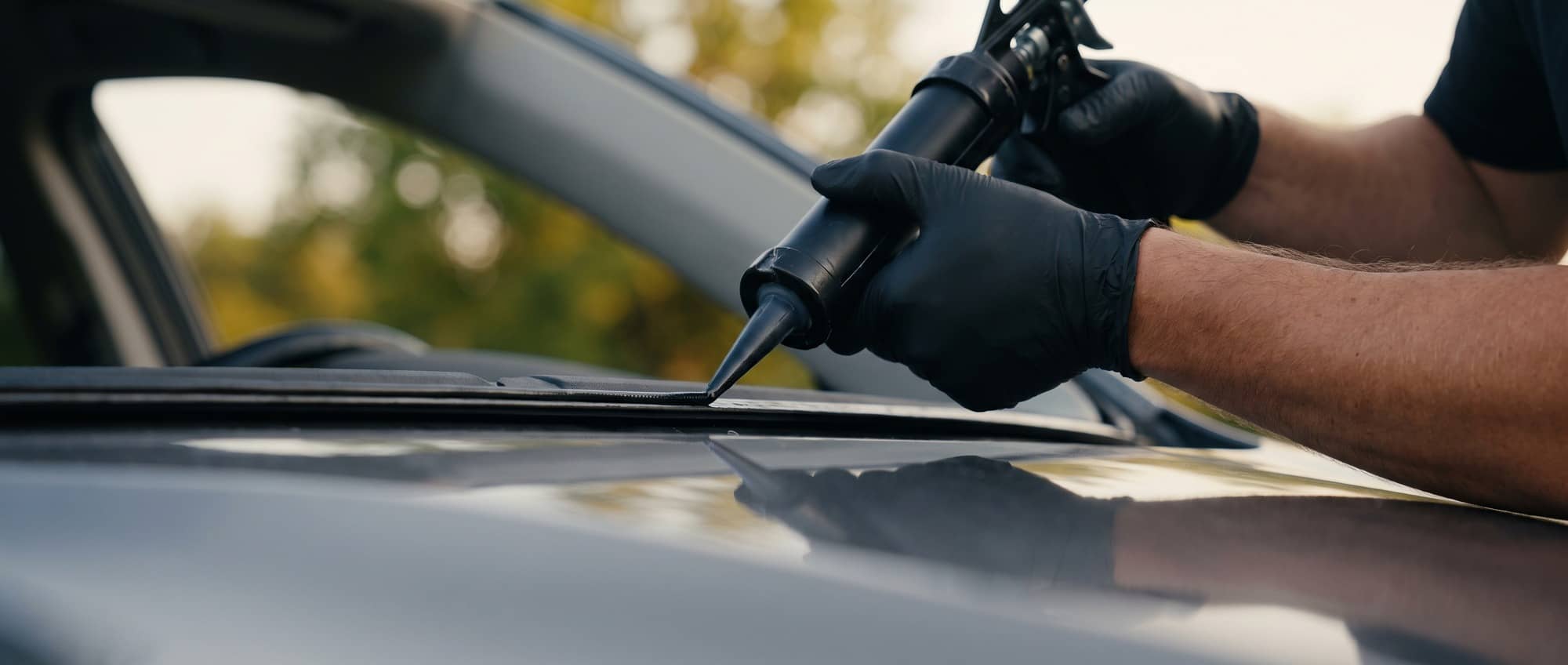
We install your new OEM-quality Kia windshield using premium urethane adhesive that meets or exceeds all Federal Motor Vehicle Safety Standards. The glass is precisely positioned, sealed, and trimmed for a factory-perfect appearance.
Curing and Safe Drive-Away Time
Most Kia windshield replacements take 30 to 45 minutes to complete, followed by approximately one hour of curing time for the adhesive to reach safe drive-away strength. Our technicians will let you know exactly when it's safe to drive your Kia and give you care instructions to protect the new installation during the first 24 to 48 hours.
Will Your Kia Need ADAS Calibration After Windshield Replacement?
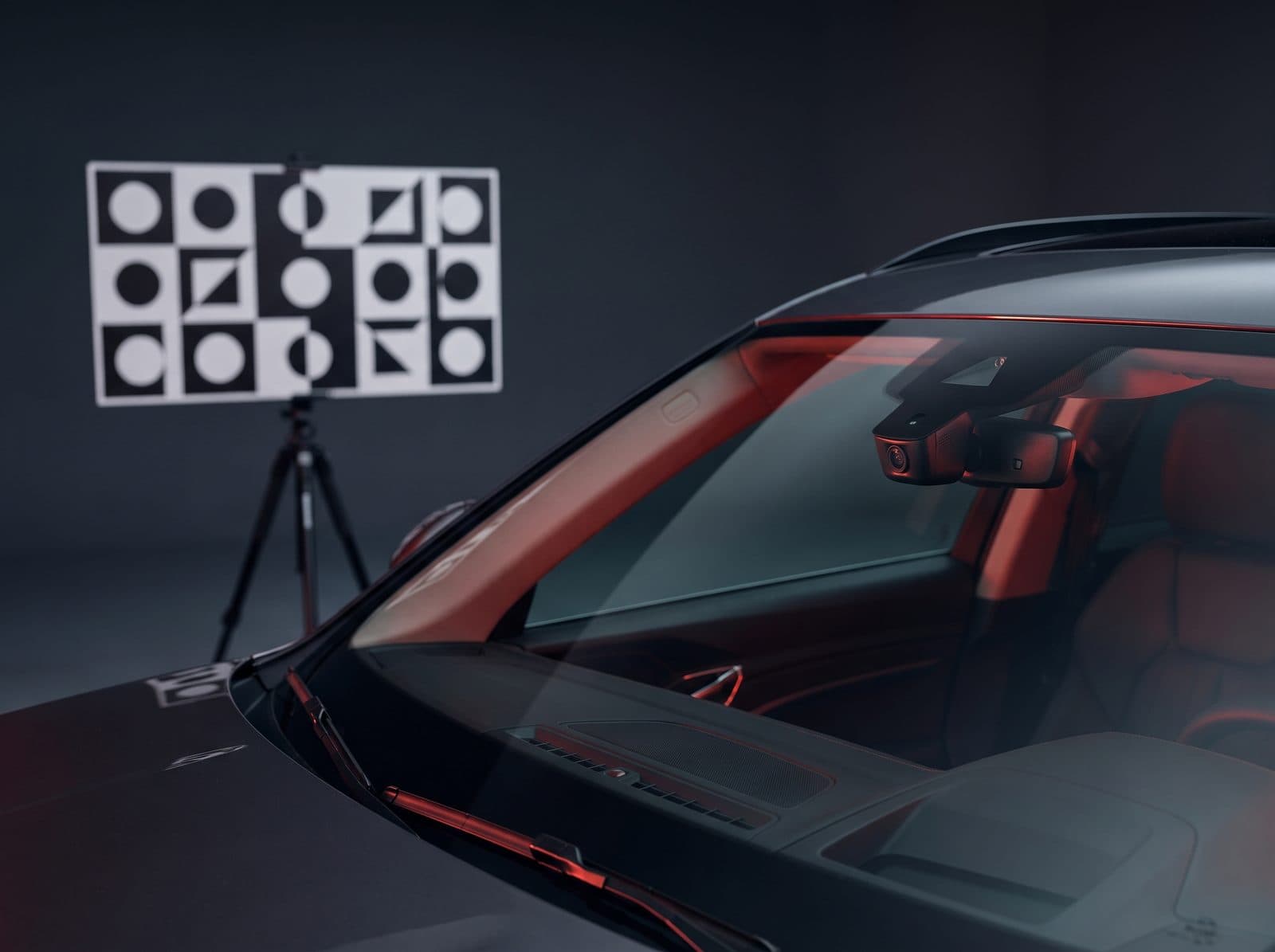
If your Kia is equipped with Kia DriveWise features such as Forward Collision-Avoidance Assist, Lane Keeping Assist, Lane Following Assist, Smart Cruise Control, or Highway Driving Assist, calibration of the forward-facing camera is required after any windshield replacement. Even a fraction of a degree off can cause these systems to misread the road, fail to detect vehicles or pedestrians, or trigger false warnings.
Static Calibration
Static calibration is performed in a controlled environment using manufacturer-specific targets placed at precise distances and angles from the vehicle. This method is required for many Kia models and is performed before the vehicle is returned to the road.
Dynamic Calibration
Dynamic calibration involves driving the Kia at specific speeds on well-marked roads while the camera relearns lane lines and reference points. Some Kia models require only dynamic calibration, while others require both static and dynamic procedures.
Why Calibration Matters
Without proper calibration, your Kia's safety systems may not respond correctly to hazards. We coordinate calibration to ensure your DriveWise features work exactly as Kia engineered them to, restoring your vehicle to factory specifications.
How Long Does a Kia Windshield Replacement Take?
Most Kia windshield replacements at Bang AutoGlass are completed in 30 to 45 minutes, depending on the model and trim. After installation, the urethane adhesive needs approximately one hour to cure before the vehicle is safe to drive. If your Kia requires ADAS calibration, that process is performed afterward and may add additional time depending on whether the calibration is static, dynamic, or both. From the moment we arrive to the moment you can drive your Kia again, most appointments take between 90 minutes and two hours.
Does Insurance Cover Kia Windshield Replacement in Arizona or Florida?
If you carry comprehensive insurance coverage, your Kia windshield replacement is likely covered with little to no out-of-pocket cost depending on your deductible. Many states also have zero-deductible glass coverage laws that make windshield replacement completely free under qualifying policies.
How We Help You File a Claim
We help you with the insurance claim from start to finish and make the process as smooth as possible. Our team walks you through exactly what to say, helps you gather the necessary information, and provides the documentation your insurer will request. Once you've filed the claim and received approval, we coordinate directly with your insurance company to handle billing so you don't have to deal with the paperwork.
Information You'll Need to File
When filing a windshield claim for your Kia, your insurance company will typically ask for your policy number, the date and cause of the damage, your vehicle's year, make, model, and VIN, and the name of the auto glass shop you've chosen. We can help you organize all of this so the call goes smoothly.
Choosing Bang AutoGlass on Your Claim
Insurance companies are required by law to honor your choice of glass shop. When you file your claim, simply tell your insurance representative that you want to use Bang AutoGlass for your Kia windshield replacement. We'll handle the rest from there.
Arizona
A.R.S. § 20-264
Insurers must offer zero-deductible full glass coverage — when your policy includes it, windshield replacement is often $0.
Florida
Fla. Stat. § 627.7288
With comprehensive coverage, Florida waives the deductible for windshield replacement — windshield only.
General info, not legal or insurance advice — coverage varies by policy. We confirm your exact coverage free before any work.
How Much Does Kia Windshield Replacement Cost?
The cost of a Kia windshield replacement varies depending on several factors. The base price for a standard Kia windshield without sensors or special features is typically lower than for windshields with acoustic glass, HUD, heating elements, or ADAS cameras. Newer Kia models, especially the EV6, EV9, Telluride, and Stinger, generally have more expensive windshields because of the integrated technology and larger glass dimensions.
The main factors that influence the price include the model year and trim level, whether the windshield includes acoustic glass, whether the vehicle requires ADAS calibration, the presence of features like HUD or heated wiper park areas, and whether your insurance is covering the cost. We provide free, no-obligation quotes for every Kia windshield replacement so you know exactly what to expect before we begin work.
Glass features & sensors
Rain sensors, acoustic layers, HUD zones, and embedded antennas change which part fits your build.
Model year & body style
The same model can carry different glass across years and trims — we match the exact part to your VIN.
ADAS calibration
Camera-equipped windshields need recalibration after replacement — a service we perform ourselves, in the same visit.
OEM-quality sourcing
Glass manufactured to the same specifications as the factory part, matched to sensor brackets and tint band.
With the right coverage, your out-of-pocket is often $0 — we verify your coverage free and file the claim.
General info, not legal or insurance advice — coverage varies by policy. We confirm your exact coverage free before any work.
Get your Kia glass quote
We verify coverage before any work — next-day in most areas.
New appointments 24/7 · Our team confirms every request.
OEM-Quality Glass and a Lifetime Workmanship Warranty
Every Kia windshield replacement we perform at Bang AutoGlass comes backed by a lifetime workmanship warranty. This means that as long as you own your Kia, we stand behind the installation. If you ever experience leaks, wind noise, or installation-related issues with the windshield we installed, we'll come back out and make it right with no out-of-pocket cost when your coverage applies to you. Combined with our OEM-quality glass and premium urethane adhesives, this warranty gives you long-term peace of mind on top of an already high-quality service.
Why Kia Owners Choose Bang AutoGlass
There are plenty of auto glass shops out there, but Kia owners across the area choose Bang AutoGlass because we combine convenience, quality, and care in a way that's hard to match. Our mobile service brings the shop to you, so you never have to leave home or work to get your windshield fixed. Our technicians are trained specifically on Kia models and understand the unique requirements of each generation, trim, and technology package. We use only OEM-quality glass and premium adhesives, never cutting corners on materials. Our lifetime workmanship warranty means we stand behind every job for as long as you own your Kia. And our next-day appointments mean you don't have to wait days or weeks for a windshield replacement, because we know how disruptive a cracked windshield can be.
Schedule Your Kia Windshield Replacement Today
Don't let a cracked or chipped windshield put you, your passengers, or your Kia at risk. Whether you drive a brand new Kia EV9 with all the latest DriveWise technology or a long-running Kia Soul that's served your family for years, Bang AutoGlass has the expertise, materials, and mobile service to get you back on the road quickly and safely. Contact us today to schedule your next-day Kia windshield replacement appointment, get a free quote, or ask any questions about your specific model. Our team is ready to make the process simple, affordable, and stress-free from start to finish.
Kia windshield replacement — common questions
Still have questions? Call (877) 994-5277 or see all FAQs.
How long does a Kia windshield replacement take?
Most Kia windshield replacements take about 30–45 minutes to complete, plus time for the adhesive to cure — about an hour is typical, and your technician confirms the exact safe drive-away time. Total time is typically 1.5–2 hours including the full cure period.
What quality glass and materials do you use?
Every Kia windshield replacement uses OEM-quality glass and materials backed by a lifetime workmanship warranty. We ensure your replacement meets the same safety and performance standards as your original glass.
Is my Kia windshield covered by insurance?
Most comprehensive auto insurance policies cover windshield damage. In Florida, comprehensive coverage waives the deductible for windshield replacement, so you typically pay nothing out of pocket. We can help you start your claim if needed.
Is it safe to drive after a Kia windshield replacement?
Yes, but only after the adhesive has fully cured, which takes about 1 hour. Your technician will let you know when it's safe to drive. Do not drive until the cure time is complete.
Where we do Kia auto glass
Bang AutoGlass is a mobile auto glass company serving Arizona and Florida. We don't have a shop you drive to — we come to your home, your job, or wherever the car is sitting, with next-day appointments in most areas. In Arizona that means the whole Valley — Phoenix, Mesa, Scottsdale, Chandler, Gilbert, Tempe, Glendale and out to Tucson and Prescott. In Florida we cover Tampa Bay, Orlando and Miami, from St. Petersburg and Clearwater across to Kissimmee, Winter Park and Fort Lauderdale.
Browse every city we serve in Arizona and Florida, or read how coverage works under Arizona's glass statutes and Florida's § 627.7288.
Windshield Replacement — cities we serve
4.7★ on Google · 350+ reviews from AZ & FL drivers
“Highly recommend. This business was so helpful to me when I got a crack in my windshield. Daniella was super efficient and thorough. She actually called my insurance company for me and the whole process was really fast. The replacement itself was done the next day.”
“Bang AutoGlass was fantastic from start to finish. They replaced my windshield twice and were consistently quick, responsive, and easy to work with. Super friendly team, great communication, and truly amazing service overall. Highly recommend.”
“The company kept me informed throughout the entire process and were very accommodating in setting up a convenient appointment to change my windshield. The installer was very efficient and detail oriented. The installation was fast and my vehicle was left clean when finished.”
Need Kia windshield replacement?
We come to you across Arizona and Florida — often $0 with insurance.