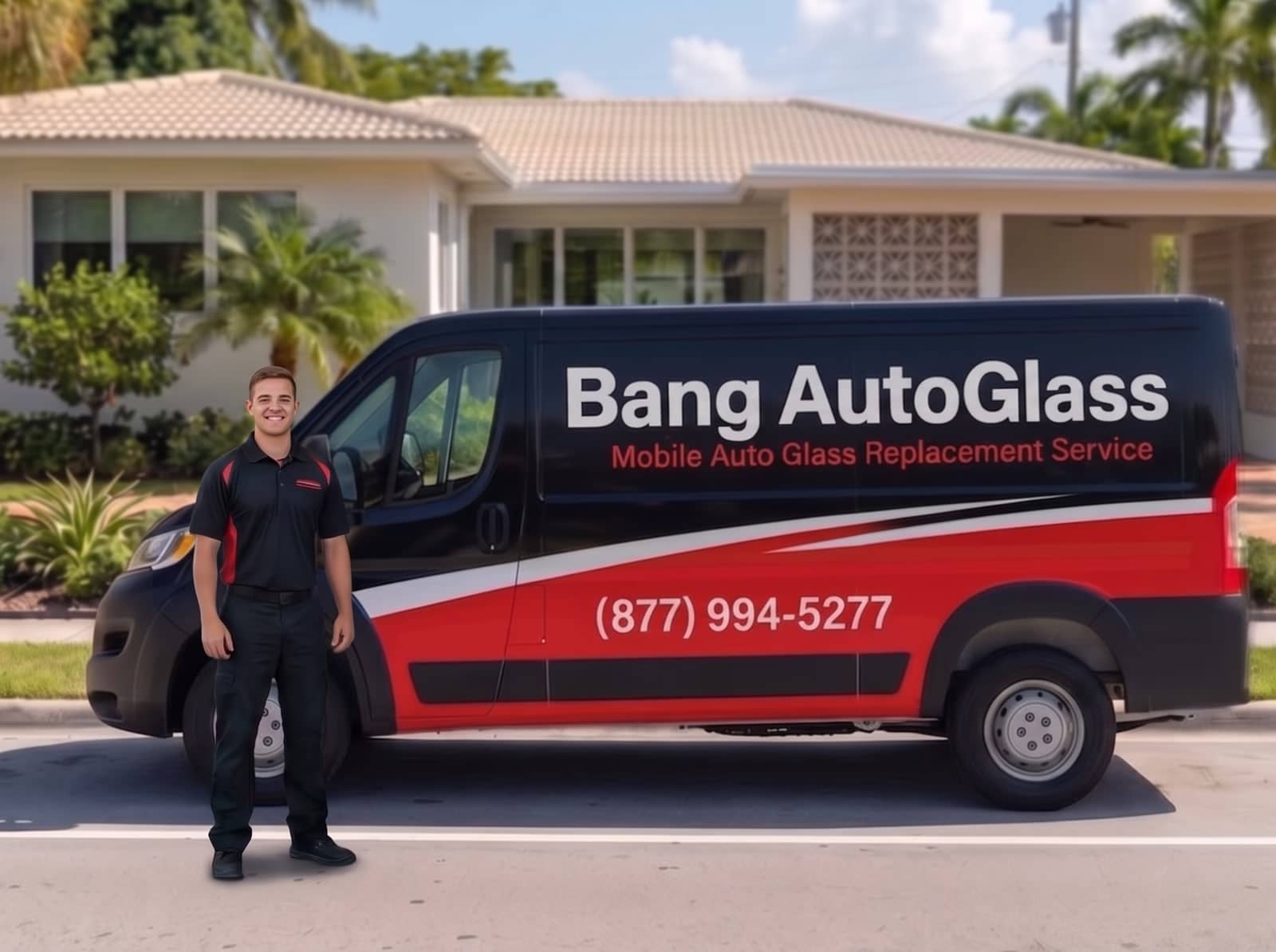
Infiniti Quarter Glass Replacement
Bang AutoGlass replaces Infiniti quarter glass on QX60, QX80, QX50, and Q50 with OEM-fit tempered safety glass set in fresh urethane for a watertight, factory-matched seal. Mobile service in Arizona and Florida includes careful trim handling, precise alignment, and lifetime workmanship warranty.
Infiniti Quarter Glass Replacement
When the quarter glass on your Infiniti gets damaged, finding a trustworthy and professional auto glass service is essential to protect both the integrity of your luxury vehicle and your daily peace of mind. At Bang AutoGlass, we specialize in Infiniti quarter glass replacement, providing mobile service that brings expert installation right to your driveway, workplace, or wherever your vehicle is parked. Whether you drive a sleek Q50 sport sedan, a spacious QX60 family SUV, or a powerful QX80 flagship, our team understands the precise specifications and finish quality that Infiniti owners expect. We replace damaged quarter glass with OEM-quality materials and back every installation with a lifetime workmanship warranty so you can drive away with complete confidence.
Understanding Infiniti Quarter Glass and Its Role
Quarter glass, sometimes referred to as the rear quarter window or vent window, is the smaller piece of glass located between a vehicle's rear door and the rear pillar, or in some cases just forward of the front doors. On many Infiniti models, the quarter glass is fixed in place and adheres directly to the vehicle's body using a strong urethane sealant, while on other trims it functions as a vent window that can be opened slightly. This piece of glass plays a much larger role than most drivers realize. It contributes to the structural rigidity of the cabin, supports the vehicle's overall aerodynamics, allows additional natural light into the passenger compartment, and improves visibility for both the driver and rear passengers.
For Infiniti owners specifically, quarter glass is often tinted, curved, and shaped to match the elegant lines of the brand's design language. This means a high-quality Infiniti quarter window replacement must match not only the dimensions of the original but also the optical clarity, tint level, and seal integrity that distinguish an Infiniti from less refined vehicles. Cutting corners with poor-fitting glass leaves your luxury vehicle looking and performing like something far less premium, which is why Bang AutoGlass takes such care with every Infiniti we service.
Common Reasons Infiniti Quarter Glass Gets Damaged
Quarter glass damage can occur in numerous ways, and unfortunately it tends to happen when drivers least expect it. Vandalism is one of the leading causes, particularly in urban areas where thieves break the smaller quarter glass because it is more isolated from alarm sensors than door glass. Road debris flung up from large trucks, construction zones, or gravel surfaces can crack or shatter quarter glass in an instant. Severe weather, including hail, falling tree branches, and ice impact, also accounts for a significant number of replacements we perform on Infiniti vehicles.
Accidents, parking-lot incidents, and even temperature stress can lead to cracks that begin small and quickly spread across the glass. Because quarter glass is positioned in a structural area of the vehicle, even a hairline crack can compromise the surrounding seal and lead to water leaks, wind noise, or further breakage. Acting quickly to replace damaged Infiniti quarter glass prevents secondary issues such as interior water damage, mold development, or electrical problems if moisture reaches nearby wiring harnesses or door electronics.
Signs Your Infiniti Needs Quarter Glass Replacement
Identifying the early warning signs of failing or damaged Infiniti quarter glass can save you both money and inconvenience. Drivers who recognize these issues early often avoid the cascading problems that come with delayed repairs. Watch closely for the following indicators in your Infiniti:
- Visible cracks, chips, or spider-web fractures anywhere on the quarter glass surface
- Water leaks or moisture buildup on the interior side of the window after rain or car washes
- Persistent wind noise or whistling sounds at highway speeds that were not present before
- A loose, rattling, or shifting feel in the glass when nearby doors are closed
- Damaged or peeling seals, gaskets, or trim surrounding the quarter window
- Visible gaps between the glass and the body of the vehicle
- Tint bubbling, peeling, or discoloration that suggests stress damage to the glass itself
If you notice one or more of these signs on your Infiniti, scheduling a prompt Infiniti quarter glass replacement is the safest and most cost-effective course of action.
Infiniti Models We Service for Quarter Glass Replacement
Bang AutoGlass services the entire Infiniti lineup, including older legacy vehicles and the newest releases. Our technicians are familiar with the unique quarter glass configurations across the brand, which means we arrive prepared with the correct part, tools, and procedures for your specific model.
Infiniti Sedan and Coupe Models
For the Infiniti Q50 sport sedan, quarter glass is positioned at the rear corner of the cabin and features the distinct curved profile that gives the Q50 its athletic silhouette. The Q60 coupe presents a more complex replacement due to its sweeping rear quarter design and dual-pane construction on some trims. We also service the legacy G35, G37, M35, M37, M45, Q40, Q45, Q70, and earlier Infiniti sedans that share similar quarter glass principles. Each of these vehicles requires precise alignment with the body line to maintain the brand's signature aesthetic, and we treat each replacement as a finish-critical job.
Infiniti SUV and Crossover Models
The QX50, QX55, QX56, QX60, QX70, and QX80 all feature quarter glass that contributes significantly to outward visibility and cargo-area light. The QX80, as Infiniti's full-size flagship, has the largest quarter glass panels in the lineup and demands particular attention to seal placement and weight handling during installation. The QX60's three-row layout means quarter glass is critical for third-row passenger comfort, and we take extra care to verify the seal remains airtight. We also service the FX35, FX45, EX35, JX35, and other legacy Infiniti crossovers using the same OEM-quality standards.
The Infiniti Quarter Glass Replacement Process
Our replacement process is engineered for efficiency without sacrificing precision. Most Infiniti quarter glass replacements are completed in 30 to 45 minutes of active labor, followed by approximately one hour of cure time so the urethane adhesive can fully bond before the vehicle is driven.
Initial Assessment and Vehicle Protection
When our mobile technician arrives at your location, the first step is a thorough inspection of the damaged quarter glass and the surrounding pillar, trim, and seal areas. We document the condition, confirm the correct OEM-quality part, and lay protective coverings inside and around the work zone to safeguard your Infiniti's leather upholstery, paint, and interior electronics.
Careful Removal of the Damaged Quarter Glass
Removing quarter glass from an Infiniti requires care because the surrounding trim is often clipped into delicate fasteners. We carefully remove interior panels where necessary, cut the existing urethane bead, and extract the damaged glass without scratching the paint or stretching the body's metal lip. Any remaining adhesive is trimmed to a perfect thickness to create the ideal bonding surface for the new Infiniti quarter glass.
Installation of the New Quarter Glass
We then apply automotive-grade primer to the pinch weld and a fresh, continuous bead of high-strength urethane. The new OEM-quality quarter glass is set into position using suction tools that allow for millimeter-perfect alignment. Once seated, we verify the body lines match, the tint matches the surrounding windows, and any required moldings, clips, or trims are reinstalled with factory-correct fitment.
Curing, Cleanup, and Final Quality Check
After the glass is installed, the urethane needs approximately one hour to cure to a safe-drive level. During this time, we clean the work area, verify there are no leaks, test any moving components, and walk you through aftercare instructions. We never leave a job until you are completely satisfied with the appearance, function, and finish of the replacement.
Mobile Infiniti Quarter Glass Replacement Service
One of the most valued benefits we offer at Bang AutoGlass is fully mobile service. Our technicians come to your home, office, or any convenient location with everything required to complete the Infiniti quarter glass replacement on-site. You never need to coordinate rides, sit in a waiting room, or rearrange your day around a brick-and-mortar shop. Mobile service also eliminates the risk of driving a vehicle with damaged glass to a separate location, which is especially important when the quarter glass is fully shattered or compromised by weather.
We offer next-day appointments for most Infiniti quarter glass replacements, which means you do not have to live with a broken window any longer than necessary. Quick response times reduce the risk of further damage from rain, debris, theft, or interior exposure, and they help you get back to enjoying your Infiniti as quickly as possible.
OEM-Quality Materials Built for Infiniti
Every Infiniti quarter glass replacement we perform uses OEM-quality glass and bonding materials. This ensures the replacement glass matches the original in thickness, optical clarity, tint, curvature, and structural strength. Inferior materials may save a few dollars upfront, but they often lead to visible distortions, premature seal failure, mismatched tint, or even failed inspections. By using OEM-quality glass, we protect the resale value of your Infiniti and preserve the look and feel that drew you to the brand in the first place. Our urethane adhesives are also automotive-grade, ensuring the bonded glass meets crash-safety expectations for modern vehicles and provides a long-lasting, weather-tight seal.
How Long Does Infiniti Quarter Glass Replacement Take?
Time is a primary concern for most drivers, and we have refined our process to be as efficient as possible. The replacement itself typically takes 30 to 45 minutes from when our technician begins work to when the new glass is fully installed. After installation, the urethane adhesive needs about one hour to cure before the vehicle is safe to drive. This means the total window of time you should plan to keep the vehicle parked is roughly an hour and a half to two hours from start to finish. Because we provide mobile service, this time can be spent at home, at work, or wherever the vehicle is staged, with no waiting room necessary and no disruption to your day.
Cost Factors for Infiniti Quarter Glass Replacement
Several variables influence the final cost of an Infiniti quarter glass replacement. The specific model matters significantly, as a Q50's quarter glass differs in size, shape, and complexity from a QX80's. Model year also affects pricing, since newer Infiniti vehicles may include features like integrated antennas, embedded acoustic laminate, or specialized tint layers that require specific glass parts. Tint level, glass curvature, and the condition of the surrounding trim can all influence pricing as well. Locations of damage that affect adjacent components, such as broken clips or damaged moldings, may require additional parts to ensure a clean, complete reinstallation. We are always upfront about cost considerations before any work begins so there are no surprises.
Insurance Claims for Infiniti Quarter Glass Replacement
If your Infiniti is insured with comprehensive coverage, quarter glass replacement is often covered with little or no out-of-pocket expense depending on your deductible. We are happy to help walk you through the claims process if you have not already filed. We help you with the insurance claim from start to finish and make the process as smooth as possible. Many of our customers find that, once they have the information we supply, the actual filing takes only a few minutes over the phone or through their insurer's mobile app.
Lifetime Workmanship Warranty
Every Infiniti quarter glass replacement performed by Bang AutoGlass is backed by a lifetime workmanship warranty. This means that for as long as you own the vehicle, we stand behind the installation. If you ever notice a leak, wind noise, or any other issue that originates from our installation, we will return to make it right at no additional cost. This commitment reflects our confidence in our technicians, the OEM-quality materials we use, and the meticulous standards we hold throughout the replacement process. It also gives Infiniti owners the long-term peace of mind that should come with any service performed on a luxury vehicle.
Caring for Your Infiniti After Quarter Glass Replacement
Once your new quarter glass is installed, a few simple aftercare habits help maximize the longevity of the seal and the appearance of the glass. Avoid car washes for the first 24 to 48 hours after installation so that the urethane can fully cure under normal conditions. Do not slam doors immediately after the work is completed, since the pressure inside the cabin can push against an uncured seal. Avoid removing any retention tape we apply for at least one full day. After the curing window, you can return to normal driving and cleaning routines. We recommend gentle automotive glass cleaners and microfiber cloths to keep both the new glass and the surrounding trim looking factory-fresh for years to come.
Frequently Asked Questions About Infiniti Quarter Glass Replacement
Can I drive my Infiniti with cracked quarter glass?
You can drive short distances, but it is not recommended. Cracked quarter glass is structurally weak and can shatter unpredictably, especially in temperature extremes or over rough roads. Replacing it promptly avoids interior exposure, water damage, and the risk of further breakage that often costs more to address later.
Will the new quarter glass match my Infiniti's tint?
Yes. We use OEM-quality glass that matches the original tint level, curvature, and optical quality so the replacement is visually indistinguishable from the surrounding windows on your Infiniti.
Do you replace fixed quarter glass and vent quarter glass?
We handle both types. Whether your Infiniti has a fixed quarter window or a hinged vent quarter glass, our technicians have the tools and experience to replace either configuration with factory-correct fitment.
How soon can you replace my Infiniti quarter glass?
We offer next-day appointments for most service areas. After you contact us and confirm the model and damage details, we schedule a mobile appointment at a time and location that works for you.
Is the replacement safe in cold or hot weather?
Yes. Our urethane adhesives are formulated for a wide temperature range, and our technicians adjust cure-time recommendations slightly based on conditions to ensure a strong, lasting bond on your Infiniti.
Schedule Your Infiniti Quarter Glass Replacement With Bang AutoGlass
When you choose Bang AutoGlass for your Infiniti quarter glass replacement, you are choosing a mobile service that values your time, your vehicle, and the long-term quality of every job we complete. With OEM-quality materials, a lifetime workmanship warranty, next-day appointments, and a 30 to 45 minute replacement window followed by a one hour cure time, getting your Infiniti back to factory condition is faster and easier than ever. Reach out today using the contact form above to schedule your appointment, and let our team restore the comfort, safety, and elegance your Infiniti was built to deliver.
Infiniti Quarter Glass Replacement — common questions
What is Infiniti quarter glass replacement?
Quarter glass is the small fixed window behind the rear doors on your Infiniti. If it's cracked or shattered, we replace it with OEM-quality glass and back the work with a lifetime workmanship warranty.
How long does Infiniti quarter glass replacement take?
The replacement typically takes about 30–45 minutes to complete, plus about 1 hour for the adhesive to set before you can safely drive. We'll let you know when it's ready.
Is quarter glass replacement covered by insurance?
Coverage depends on your policy; comprehensive insurance usually covers quarter glass damage. We can help you file or start your claim if you need assistance understanding your benefits.
Why should I choose Bang AutoGlass for my Infiniti?
We're mobile-only, so our technician comes to you with all equipment needed to complete the job. We use OEM-quality materials and back every replacement with a lifetime workmanship warranty.
Where we do Infiniti auto glass
Bang AutoGlass is a mobile auto glass company serving Arizona and Florida. We don't have a shop you drive to — we come to your home, your job, or wherever the car is sitting, with next-day appointments in most areas. In Arizona that means the whole Valley — Phoenix, Mesa, Scottsdale, Chandler, Gilbert, Tempe, Glendale and out to Tucson and Prescott. In Florida we cover Tampa Bay, Orlando and Miami, from St. Petersburg and Clearwater across to Kissimmee, Winter Park and Fort Lauderdale.
Browse every city we serve in Arizona and Florida, or read how coverage works under Arizona's glass statutes and Florida's § 627.7288.
Mobile auto glass — cities we serve
4.8★ on Google · 350+ reviews from AZ & FL drivers
“I needed my windshield replaced and they made the entire process easy. Bang AutoGlass is the best!”
“Top-notch auto glass service. They handled my windshield replacement quickly and professionally.”
“Bang AutoGlass made my windshield replacement simple from start to finish.”
Need Infiniti Quarter Glass Replacement?
We come to you across Arizona and Florida — often $0 with insurance.
We reply within minutes during business hours.