Ford Quarter Glass Replacement
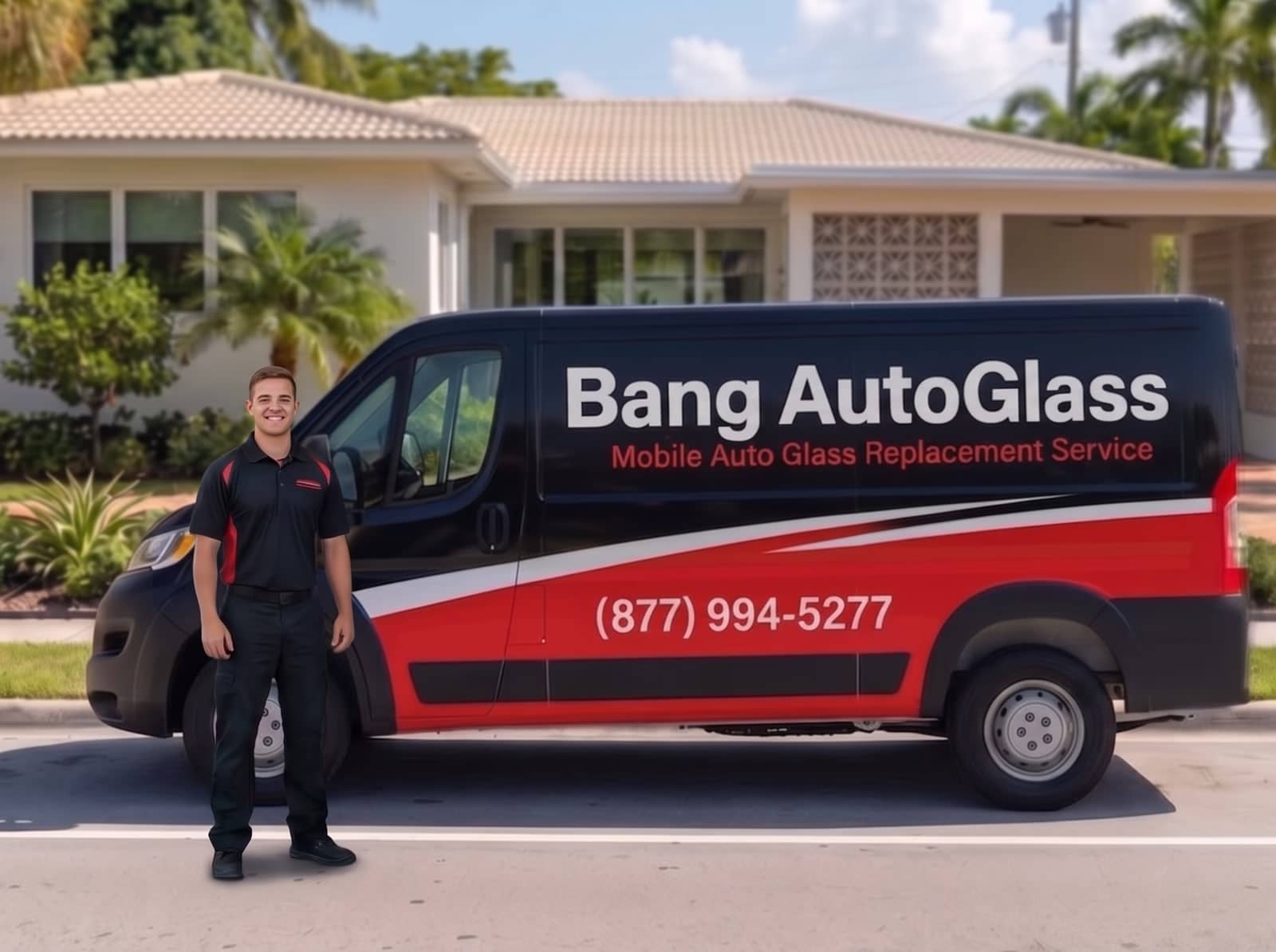
Bang AutoGlass replaces Ford quarter glass on Explorer, Expedition, Bronco, Escape, and F-150 SuperCrew with OEM-fit tempered safety glass set in fresh urethane for a watertight, factory-matched seal. Mobile service in Arizona and Florida includes precise trim handling and lifetime warranty.
Ford Quarter Glass Replacement: Expert Mobile Service for Every Ford Model
When your Ford's quarter glass cracks, shatters, or gets smashed during a break-in, you need fast, reliable, and professional replacement service that gets you back on the road without disrupting your day. Ford quarter glass replacement is a specialized auto glass service that requires precision, the right materials, and an experienced technician who understands the unique design of Ford vehicles. At Bang AutoGlass, we deliver mobile Ford quarter glass replacement directly to your home, office, or anywhere you need us, with most installations completed in just 30 to 45 minutes plus a one-hour cure time for the adhesive to set properly.
Whether you drive a Ford F-150, Ford Explorer, Ford Mustang, Ford Escape, Ford Bronco, Ford Edge, Ford Expedition, Ford Maverick, Ford Ranger, Ford Fusion, or any other Ford model, our experienced technicians have the expertise and OEM-quality materials needed to restore your vehicle's appearance, security, and structural integrity. With next-day appointments available and a lifetime workmanship warranty backing every job, choosing Bang AutoGlass for your Ford quarter glass replacement means choosing peace of mind.
What Is Ford Quarter Glass and Why Does It Matter?
Quarter glass refers to the smaller, typically fixed windows located on the sides of your Ford vehicle, usually positioned behind the rear doors or alongside the rear pillars. On some Ford models, the quarter glass sits between the front and rear doors, while on others it's located in the rear corner of the vehicle near the cargo area or third-row seating. These windows are designed to enhance visibility, allow natural light into the cabin, and contribute to the overall aesthetic and structural design of the vehicle.
Although quarter glass is smaller than your windshield or door windows, it plays a critical role in your Ford's safety, security, and comfort. A damaged or missing quarter glass leaves your vehicle exposed to weather, theft, and further interior damage. It can also compromise the cabin's insulation, allowing road noise, wind, and outside air to infiltrate the interior. That's why prompt Ford quarter glass replacement is essential whenever damage occurs.
Quarter Glass vs. Other Auto Glass
Unlike your windshield, which is made of laminated safety glass with a plastic interlayer, most Ford quarter glass panels are constructed from tempered glass. Tempered glass is engineered to shatter into small, blunt-edged pieces upon impact rather than splintering into dangerous shards. This safety design is why a broken quarter glass often crumbles entirely when damaged, leaving little behind except small cubes of glass scattered throughout your interior. While this can be alarming, it's actually a safety feature working as intended.
Common Causes of Ford Quarter Glass Damage
Understanding what causes Ford quarter glass damage can help you prevent future incidents and recognize when replacement is needed. Quarter glass damage on Ford vehicles typically falls into several categories, each with its own circumstances and considerations.
Break-Ins and Vandalism
By far the most common reason Ford owners need quarter glass replacement is theft and vandalism. Quarter windows are smaller and easier for thieves to break than larger door windows, and they're often less visible from the street. Thieves frequently target the rear quarter glass on Ford SUVs like the Explorer, Expedition, and Escape because these vehicles often contain valuables in the cargo area. Ford F-150 and Ford Super Duty trucks are also common targets, particularly the small rear cab quarter windows in extended cab and crew cab configurations.
Road Debris and Flying Objects
Highway driving exposes your Ford's quarter glass to flying rocks, gravel, and debris kicked up by other vehicles. Construction zones, gravel roads, and lawn care equipment can all send projectiles into your quarter windows. While windshields take the brunt of road debris, quarter glass damage from this cause is more common than many drivers realize.
Accidents and Collisions
Even minor accidents can crack or shatter Ford quarter glass. Side-impact collisions, parking lot scrapes, and rollovers frequently result in quarter glass damage. The structural stress of an accident can also cause cracks to form even when the glass isn't directly impacted.
Weather and Temperature Extremes
Severe weather including hail, falling tree branches during storms, and rapid temperature changes can stress and crack Ford quarter glass. Pre-existing chips or weakness in the glass can suddenly turn into full breaks when temperatures swing dramatically.
Ford Models We Service for Quarter Glass Replacement
Bang AutoGlass services quarter glass replacement on virtually every Ford model on the road today. Our technicians are trained in the specific removal and installation procedures for each Ford vehicle, ensuring a perfect fit and finish every time.
Ford F-Series Truck Quarter Glass Replacement
The Ford F-150, F-250, F-350, and F-450 trucks feature quarter glass in their SuperCab and SuperCrew configurations. These rear cab quarter windows are popular targets for break-ins due to tools, equipment, and valuables often stored in the rear seating area. We replace fixed and sliding quarter glass on all F-Series model years, including the latest aluminum-body trucks and the all-new electric Ford F-150 Lightning.
Ford Explorer and Expedition Quarter Glass
Ford Explorer quarter glass replacement is one of our most frequently requested services. The Explorer's distinctive D-pillar quarter window contributes significantly to the vehicle's silhouette and visibility. Ford Expedition quarter glass replacement requires careful handling due to the larger size and curved profile of the rear quarter windows on these full-size SUVs.
Ford Mustang Quarter Glass
Ford Mustang quarter glass holds special significance because it's part of the iconic fastback design. Whether you own a classic Mustang, a Fox Body, an SN-95, or the latest S550 or S650 generation Mustang, our technicians understand the precise fitment required to maintain that signature Mustang look. Mustang quarter glass replacement also requires attention to the surrounding trim and weather seals.
Ford Bronco and Bronco Sport Quarter Glass
The reborn Ford Bronco and its smaller sibling, the Bronco Sport, have unique quarter glass configurations. The Bronco's removable hardtop and modular design mean quarter glass replacement requires familiarity with the vehicle's specific assembly. Bronco Sport quarter glass replacement is straightforward for our experienced technicians who know exactly how to handle this popular crossover.
Ford Escape and Edge Quarter Glass
Ford Escape quarter glass and Ford Edge quarter glass replacement are common services we provide. These compact and midsize crossovers feature quarter glass that contributes to their sleek, aerodynamic profiles. We use OEM-quality glass that matches the original tinting and curvature precisely.
Ford Ranger and Maverick Quarter Glass
The Ford Ranger and the popular new Ford Maverick compact pickup both feature quarter glass in their crew cab configurations. We replace these quarter windows with the same care and precision as their larger F-Series counterparts.
Ford Sedans and Hatchbacks
Although Ford has discontinued many of its sedans, we still service quarter glass replacement on Ford Fusion, Ford Focus, Ford Fiesta, Ford Taurus, Ford Flex, and Ford EcoSport models. Older Ford sedans often need quarter glass replacement due to age, weathering, and prior damage.
What Makes Ford Quarter Glass Replacement Unique
Ford vehicles incorporate specific design elements that make quarter glass replacement different from other automotive brands. Understanding these nuances is essential for proper installation.
Privacy Glass and Tinting
Most Ford SUVs, trucks, and crossovers come equipped with factory privacy glass on the rear quarter windows. This deeply tinted glass provides occupant privacy and reduces interior heat. When we perform Ford quarter glass replacement, we match the exact tint level of your factory glass so your vehicle looks original and uniform from every angle.
Antenna and Defrost Integration
Some Ford quarter windows include integrated radio antennas, satellite antennas, or defrost elements. Replacement requires careful reconnection of these electronic components to ensure your radio reception, navigation system, and defroster functions work properly after installation.
Curved and Complex Shapes
Modern Ford vehicles often feature dramatically curved quarter glass that conforms to aggressive body styling. The Ford Mustang, Ford Edge ST, and Ford Explorer ST all have quarter glass with significant curvature. Installing this type of glass requires skilled hands and the right tools to avoid stress fractures or improper sealing.
Urethane Adhesive Bonding
Ford quarter glass replacement uses high-strength urethane adhesive that bonds the glass to the vehicle's body. This adhesive needs proper application and cure time to achieve full strength, which is why we always recommend the one-hour minimum drying period before driving your vehicle after replacement.
Our Mobile Ford Quarter Glass Replacement Process
When you choose Bang AutoGlass for your Ford quarter glass replacement, you get a streamlined, professional experience designed around your convenience. Our mobile service means you don't have to drive a damaged vehicle to a shop or wait around in a lobby.
Here is our step-by-step Ford quarter glass replacement process:
- Initial Quote and Scheduling. Contact us with your Ford's year, make, model, and a description of the damage. We provide a transparent quote and schedule your appointment, often for the very next day.
- Mobile Arrival. Our technician arrives at your specified location with all necessary tools, materials, and your replacement Ford quarter glass.
- Damage Assessment and Cleanup. We inspect the damaged area, vacuum out broken glass from your interior, and prepare the surrounding surfaces.
- Trim and Component Removal. Interior trim panels, weather seals, and any electronic connections are carefully removed and set aside.
- Old Glass and Adhesive Removal. Any remaining glass and old urethane adhesive is cleaned away, leaving a smooth bonding surface.
- Surface Preparation. The bonding area is cleaned and primed to ensure maximum adhesion of the new glass.
- New Glass Installation. Fresh urethane adhesive is applied, and your new OEM-quality Ford quarter glass is precisely positioned and seated.
- Reassembly. Trim, seals, and any electronic components are reinstalled and tested.
- Final Inspection. We verify proper sealing, alignment, and appearance before walking you through the cure time instructions.
How Long Does Ford Quarter Glass Replacement Take?
One of the most common questions we hear is how long Ford quarter glass replacement takes. The good news is that it's a relatively quick service. Most Ford quarter glass replacements are completed in 30 to 45 minutes from the time our technician begins working on your vehicle. After installation, the urethane adhesive needs approximately one hour to cure before your vehicle is safe to drive. This curing time is critical because driving too soon can cause the glass to shift, compromising the seal and the structural integrity of the bond.
We recommend planning to be parked for about two hours total from start to finish, though active work time is much shorter. Because we come to you, this downtime can happen at your home, office, or anywhere convenient, allowing you to continue with your day while we handle the work.
Next-Day Appointments for Ford Quarter Glass Replacement
We understand that broken quarter glass is more than an inconvenience. It exposes your Ford to weather, theft, and continued damage. That's why Bang AutoGlass offers next-day appointments for Ford quarter glass replacement throughout our service area. When you call, we work to get a technician to your location as quickly as possible, often within 24 hours of your initial contact.
Insurance Claims and Ford Quarter Glass Replacement
Many Ford quarter glass replacements are covered by your auto insurance policy, particularly if you carry comprehensive coverage. Quarter glass damage from break-ins, vandalism, road debris, weather events, and falling objects typically falls under comprehensive claims rather than collision claims, which means your rates usually won't increase as a result of filing.
If you haven't yet filed a claim for your Ford quarter glass damage, we're happy to assist you through the process. We help you with the insurance claim from start to finish and make the process as smooth as possible. We work with all major insurance providers and can provide invoicing and receipts that meet their standards.
Why Choose Bang AutoGlass for Your Ford Quarter Glass Replacement
Choosing the right auto glass company for your Ford quarter glass replacement makes a significant difference in the quality, longevity, and safety of the repair. Here's what sets Bang AutoGlass apart from other providers:
- Fully Mobile Service: We come to your home, office, jobsite, or any convenient location. There's no need to drive a damaged vehicle to a shop.
- Lifetime Workmanship Warranty: Every Ford quarter glass replacement we perform is backed by our lifetime workmanship warranty, giving you confidence that the work will last.
- OEM-Quality Materials: We use OEM-quality glass and premium urethane adhesives that meet or exceed manufacturer specifications.
- Next-Day Appointments: We respect your time and work to get your Ford back to perfect condition as quickly as possible.
- Quick Turnaround: Most replacements are completed in 30 to 45 minutes plus one hour of cure time.
- Experienced Technicians: Our team has hands-on experience with Ford vehicles spanning decades of models and configurations.
Caring for Your New Ford Quarter Glass
Once your Ford quarter glass replacement is complete, a few simple care practices will help ensure the longest possible lifespan for your new glass and adhesive bond.
The First 24 Hours
During the first 24 hours after replacement, avoid washing your Ford, particularly avoiding high-pressure car washes that could disturb the freshly cured adhesive. Don't slam doors, as the air pressure inside the cabin can affect the seal. If possible, leave a small window cracked to equalize pressure when closing doors. Avoid removing any retention tape that our technician may have applied.
Long-Term Quarter Glass Care
For long-term care of your new Ford quarter glass, clean it regularly with automotive-safe glass cleaner and a soft microfiber towel. Avoid harsh chemicals or abrasive scrubbers that can damage tinting or scratch the glass. Inspect the seals periodically for signs of wear, and contact us immediately if you notice any leaks, wind noise, or visual gaps around the glass. Because our work comes with a lifetime workmanship warranty, we'll address any issues related to our installation at no charge.
Frequently Asked Questions About Ford Quarter Glass Replacement
Will my Ford's electronics work after quarter glass replacement?
Yes, our technicians carefully reconnect any antennas, defrost elements, or sensors that integrate with your Ford's quarter glass. After installation, we test these components to confirm everything functions properly.
Is the replacement glass identical to the original Ford glass?
We use OEM-quality glass that matches the original specifications for fit, tint, thickness, and curvature. Once installed, your new quarter glass will look and perform just like the factory original.
Can I leave my Ford parked outside immediately after replacement?
Yes, your Ford can be parked outside immediately after replacement. We just ask that you avoid driving for one hour to allow the adhesive to cure fully.
What if my Ford quarter glass damage extends to other parts of the vehicle?
If broken glass has scratched paint, damaged trim, or affected other components, let us know during your quote. We can advise on next steps and connect you with appropriate services if needed.
Schedule Your Ford Quarter Glass Replacement Today
Don't let broken quarter glass leave your Ford exposed any longer than it has to be. Bang AutoGlass offers fast, professional, and convenient mobile Ford quarter glass replacement with next-day appointments, OEM-quality materials, and a lifetime workmanship warranty. Whether you drive a Ford F-150, Ford Explorer, Ford Mustang, Ford Bronco, Ford Escape, Ford Edge, Ford Expedition, Ford Ranger, Ford Maverick, or any other Ford model, we're ready to restore your vehicle to perfect condition. Use the quick contact form at the top of this page or give us a call to schedule your Ford quarter glass replacement and experience the Bang AutoGlass difference firsthand.
Ford Quarter Glass Replacement — common questions
What is quarter glass and can it be repaired?
Quarter glass is the small fixed window behind the rear doors on your Ford. It's tempered glass and cannot be repaired, so it must be fully replaced. We remove the damaged glass and install OEM-quality replacement glass backed by a lifetime workmanship warranty.
How long does Ford quarter glass replacement take?
The replacement typically takes about 30-45 minutes to complete, then time for the adhesive to set — about an hour is typical, and your technician confirms the exact safe drive-away time. Plan for roughly 1.5 to 2 hours total for your mobile appointment at home or work.
Is comprehensive insurance likely to cover quarter glass replacement?
Yes, quarter glass replacement is usually covered by comprehensive insurance. We help you file or start your claim if needed, and many drivers pay nothing out of pocket after their deductible. We'll provide a clear upfront quote so you know your costs.
Why does quarter glass need an hour to set after replacement?
Quarter glass is bonded to the frame with adhesive. That adhesive needs time to fully cure and create a secure, waterproof seal — about an hour is typical, and your technician confirms the exact safe drive-away time. During that time, the glass cannot be disturbed.
Where we do Ford auto glass
Bang AutoGlass is a mobile auto glass company serving Arizona and Florida. We don't have a shop you drive to — we come to your home, your job, or wherever the car is sitting, with next-day appointments in most areas. In Arizona that means the whole Valley — Phoenix, Mesa, Scottsdale, Chandler, Gilbert, Tempe, Glendale and out to Tucson and Prescott. In Florida we cover Tampa Bay, Orlando and Miami, from St. Petersburg and Clearwater across to Kissimmee, Winter Park and Fort Lauderdale.
Browse every city we serve in Arizona and Florida, or read how coverage works under Arizona's glass statutes and Florida's § 627.7288.
Mobile auto glass — cities we serve
4.8★ on Google · 350+ reviews from AZ & FL drivers
“I needed my windshield replaced and they made the entire process easy. Bang AutoGlass is the best!”
“Top-notch auto glass service. They handled my windshield replacement quickly and professionally.”
“Bang AutoGlass made my windshield replacement simple from start to finish.”
Need Ford Quarter Glass Replacement?
We come to you across Arizona and Florida — often $0 with insurance.
We reply within minutes during business hours.