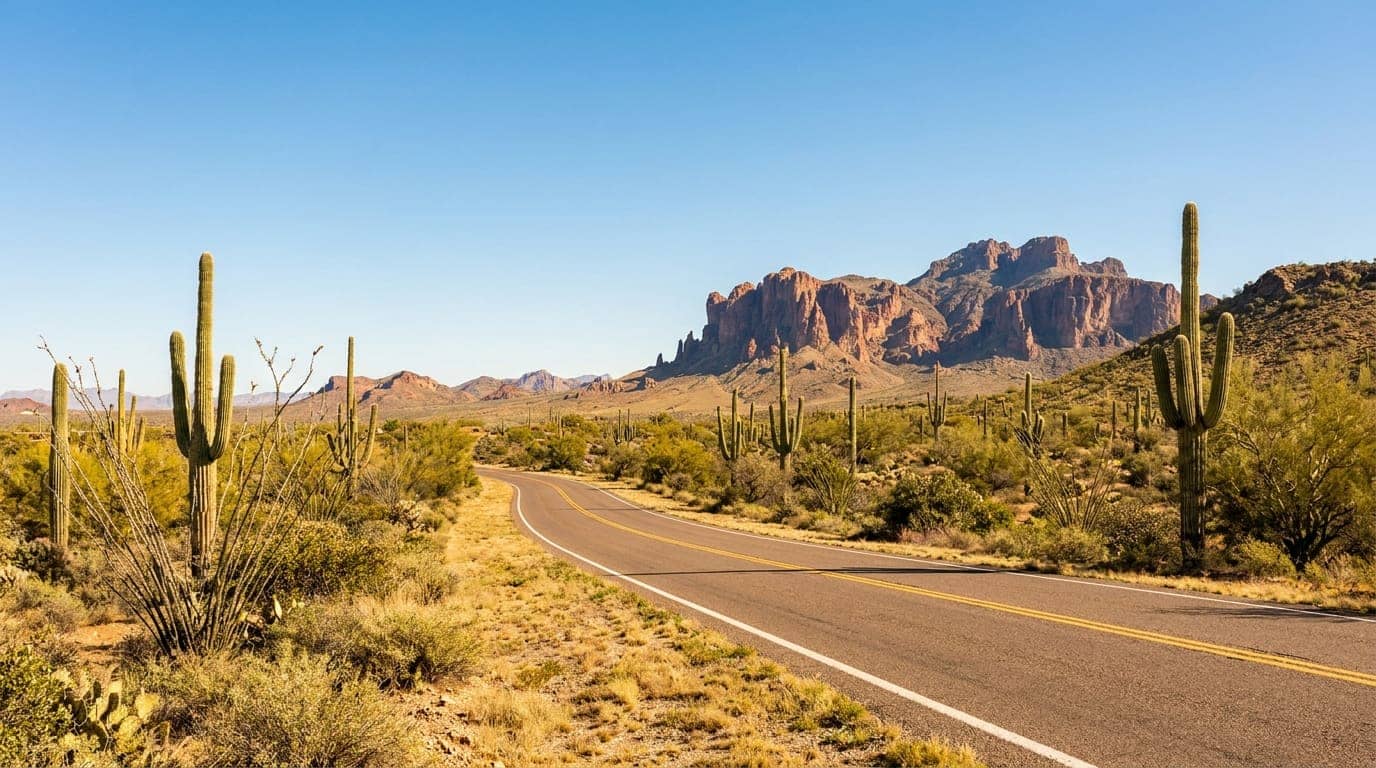
Auto glass in Tucson
Tucson roads bring desert heat, highway debris, and daily traffic across I-10, Grant, Speedway, and beyond. Bang AutoGlass offers windshield replacement and auto glass replacement for local drivers who need clear visibility, dependable service, and safer driving.
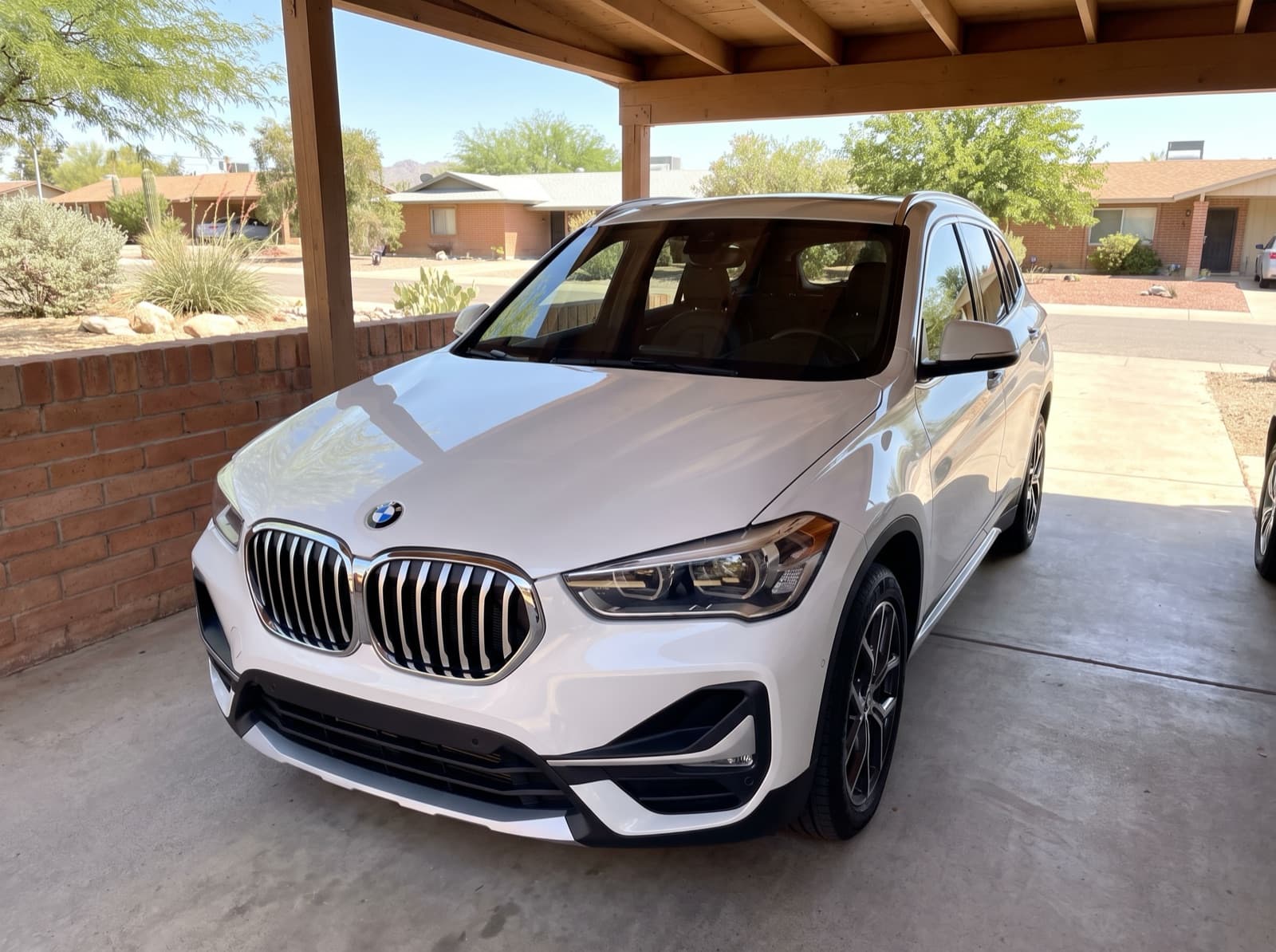
Local Windshield & Auto Glass Service in Tucson, AZ
Mobile Windshield Replacement and Auto Glass Service in Tucson, Arizona
Tucson drivers deal with a unique mix of desert heat, fast-moving traffic, bright sun, construction debris, monsoon storms, and long stretches of open road. Whether you are commuting on I-10, driving near the University of Arizona, heading across town on Speedway Boulevard, or traveling between the Catalina Foothills and South Tucson, your windshield is one of the most important safety features on your vehicle. A small rock chip can spread quickly in the Arizona sun, and a cracked windshield can make everyday driving more stressful, less safe, and harder to ignore.
Bang AutoGlass provides mobile windshield replacement and auto glass service throughout Tucson, Arizona. Instead of making you sit in a shop waiting room, our team comes to you. We help Tucson drivers replace damaged windshields, side windows, rear glass, and other automotive glass with convenient mobile service built around real schedules, real traffic, and real desert driving conditions.
Most glass replacements take about 30 to 45 minutes to complete, followed by about one hour for the adhesive to dry. That means you can schedule service at home, at work, or another convenient location and get back to your day without losing hours to a traditional glass shop visit. We also offer next-day appointments and every replacement includes a lifetime workmanship warranty for added peace of mind.
Why Tucson Drivers Need Reliable Auto Glass Service
Tucson is a large, active city with daily driving patterns that put windshields through constant stress. The city covers a wide area, and many drivers regularly move between residential neighborhoods, commercial areas, desert roads, school zones, medical campuses, and highway corridors. With Tucson’s 2024 population estimate above 554,000 residents, local roads stay busy during morning commutes, school pickup times, weekend errands, and seasonal travel periods.
The Sonoran Desert environment also plays a major role in auto glass damage. High temperatures can cause existing chips to expand. Sudden temperature changes from air conditioning against hot exterior glass can put additional stress on a damaged windshield. Dust, gravel, road work, and freeway traffic can increase the chance of small impacts from loose debris. During monsoon season, wind, blowing dust, rain, and hail can all affect visibility and driving safety.
For Tucson drivers, windshield damage is not just a cosmetic issue. Your windshield supports visibility, helps protect you from debris, contributes to the structure of the cabin, and works with modern safety systems in many vehicles. When glass damage spreads across your line of sight or reaches the edges of the windshield, replacement is often the safer and more practical solution.
Mobile Windshield Replacement in Tucson
Mobile windshield replacement is one of the easiest ways to handle auto glass damage in Tucson. Instead of rearranging your day around a shop appointment, Bang AutoGlass brings the service to your location. This is especially helpful in a city where daily driving may include long cross-town routes, heavy sun exposure, and unpredictable traffic around major corridors like I-10, I-19, Grant Road, Broadway Boulevard, Oracle Road, Kolb Road, and Valencia Road.
Our mobile service is designed for convenience without cutting corners. A technician removes the damaged windshield, prepares the frame, installs OEM-quality glass, applies professional-grade adhesive, and confirms the installation is clean and secure. Most replacements are completed in about 30 to 45 minutes, with an additional one-hour dry time for the glue before the vehicle is ready for normal driving.
Mobile Service That Fits Tucson Life
Tucson is spread out, and not every driver has time to drive to a glass shop, wait for service, and drive back across town. Mobile auto glass replacement helps customers in neighborhoods and areas such as:
- Downtown Tucson, Armory Park, Barrio Viejo, Sam Hughes, University of Arizona area, Midtown, Catalina Foothills, Casas Adobes, Rita Ranch, Vail, Oro Valley, Marana, Flowing Wells, Drexel Heights, South Tucson, East Tucson, and the Tucson International Airport area.
Whether your vehicle is parked in a driveway, an apartment complex, an office lot, or a fleet location, mobile windshield service can make the process simpler. The goal is to replace your damaged glass professionally while reducing the disruption to your schedule.
Can a Chip Be Repaired, or Does Your Tucson Windshield Need Replacement?
Not every damaged windshield needs to be replaced. In some cases, a small chip or minor crack can be repaired. However, Tucson’s heat and road conditions can make damage spread faster than many drivers expect. A chip that looks small in the morning can become a longer crack after a hot afternoon, a freeway drive, or a sudden temperature shift.
When Windshield Replacement May Be an Option
Windshield replacement may be possible when the damage is small, shallow, and not directly in the driver’s main field of vision. Replacement is often used to stabilize a rock chip before it spreads. For Tucson drivers who spend time on highways, rural roads, or construction-heavy routes, addressing chips early can help prevent a full windshield replacement later.
When Replacement Is the Better Choice
Windshield replacement is usually the better option when the crack is long, spreading, deep, close to the edge of the glass, or blocking your view. Replacement may also be needed if the windshield has multiple impact points, old damage, contamination inside the break, or damage that affects cameras, sensors, or other vehicle safety features.
In Arizona, vehicles are generally required to have an adequate windshield, and replacement glass must meet safety glass requirements. If your windshield damage makes it harder to see clearly, it is worth taking care of the problem before it becomes a larger safety concern.
Tucson Weather and Windshield Damage
Tucson’s climate is one of the biggest reasons local drivers should not ignore auto glass damage. The desert environment can be beautiful, but it is tough on vehicles. Intense sun, high cabin temperatures, dry air, dust, and seasonal storms can all affect your windshield.
Desert Heat and Expanding Cracks
When a windshield already has a chip or crack, heat can make the glass expand. If the inside of the vehicle is cooled quickly with air conditioning while the outside surface remains hot, the temperature difference can add stress to the damaged area. This does not mean every chip will spread immediately, but it does mean Tucson drivers should take windshield damage seriously, especially during the hotter months.
Monsoon Season, Dust, and Visibility
Tucson’s monsoon season can bring sudden weather changes, including strong thunderstorms, heavy rain, damaging winds, dust, and reduced visibility. The National Weather Service Tucson office notes that severe thunderstorm warnings can involve damaging winds of 60 mph or greater, and Arizona drivers are regularly warned about the dangers of dust storms.
A clean, intact windshield matters when visibility is already limited. Cracks can catch glare from lightning, headlights, streetlights, and low-angle sun. Chips can distort your view during rain. Damaged glass can also make wipers less effective, especially if cracks or pits interrupt the surface of the windshield.
Auto Glass Services for Tucson Vehicles
Bang AutoGlass helps Tucson drivers with more than just front windshield replacement. Auto glass damage can happen anywhere on a vehicle. Side windows can break from accidents, theft, vandalism, debris, or mechanical failure. Rear glass can crack or shatter from impact, heat stress, or road hazards. Quarter glass and vent glass can also be damaged depending on the vehicle.
Side Window Replacement
A broken side window is an urgent problem in Tucson. It exposes your vehicle to heat, dust, rain, theft risk, and interior damage. Mobile side window replacement helps secure your vehicle quickly and reduces the hassle of driving with temporary plastic or tape. Professional replacement also helps restore proper fit, window function, and protection from the elements.
Rear Glass Replacement
Rear glass replacement requires careful handling, especially when the back window includes defroster lines, antennas, embedded features, or specialized molding. A properly installed rear window helps protect the cabin, maintain visibility, and restore the vehicle’s finished appearance.
Door Glass, Quarter Glass, and Vent Glass
Some vehicles have smaller glass panels that are easy to overlook until they are damaged. Quarter glass and vent glass require precise fitment because they are often shaped specifically for the vehicle model. Bang AutoGlass uses OEM-quality materials to help ensure the replacement fits properly and performs as expected.
OEM-Quality Materials for Tucson Auto Glass Replacement
Your windshield is not just a piece of glass. It is part of your vehicle’s safety system, visibility system, and overall structure. That is why Bang AutoGlass uses OEM-quality materials for replacement work. The goal is to provide glass and installation materials that fit your vehicle properly and hold up to Tucson driving conditions.
OEM-quality glass helps support clear visibility, correct fitment, and a clean finished appearance. Professional adhesives are also important because the windshield must bond properly to the vehicle. In a hot climate like Tucson, installation quality matters. A rushed or poorly prepared replacement can lead to leaks, wind noise, fitment issues, or long-term performance problems.
Every replacement from Bang AutoGlass includes a lifetime workmanship warranty. That means the installation is backed by our commitment to doing the job properly. If there is a workmanship-related issue, you have warranty support you can rely on.
Windshield Replacement for Tucson Commuters, Families, Students, and Fleets
Tucson has a wide range of drivers. Some people commute daily across town. Some work from job sites or service vehicles. Some drive between campus, apartments, and part-time jobs around the University of Arizona. Others use trucks, SUVs, vans, or fleet vehicles for business throughout Pima County.
Commuters and Daily Drivers
Daily drivers need a windshield that handles freeway speeds, sun glare, and changing road conditions. If you regularly drive I-10, I-19, Aviation Parkway, Kino Parkway, or busy city streets, windshield damage can quickly become a daily frustration. Mobile replacement helps you fix the problem without putting your schedule on hold.
Families and Personal Vehicles
For families, auto glass safety matters every day. School drop-offs, grocery runs, sports practices, doctor appointments, and weekend trips all depend on clear visibility and a secure vehicle. Replacing a cracked windshield helps restore confidence behind the wheel.
Students and University Area Drivers
The University of Arizona is a major part of Tucson’s identity, and the area around campus is busy with students, faculty, staff, rideshare vehicles, delivery drivers, and visitors. Mobile service is a practical option for drivers who cannot easily spend half a day at a shop.
Business and Fleet Vehicles
For businesses, damaged auto glass can affect productivity. A cracked windshield on a work vehicle, delivery van, service truck, or company car can create downtime and safety concerns. Mobile auto glass replacement allows fleet vehicles to be serviced where they are parked, helping reduce disruption to the workday.
Tucson Roads, Highways, and Rock Chip Damage
Windshield chips often happen suddenly. A vehicle ahead kicks up gravel, a construction zone leaves loose debris, or freeway traffic sends a small rock into the glass. Tucson’s road network includes major highway corridors, desert-edge routes, and ongoing transportation improvements, including I-10 and I-19 project activity in Southern Arizona.
Construction and highway driving are two common contributors to rock chips. Even a tiny impact can create a weak point in the glass. Once that weak point is exposed to heat, vibration, or additional impact, it can expand.
Why Fast Service Matters
Prompt auto glass service can help prevent small damage from becoming a larger problem. If a chip is repairable, taking care of it early may save the windshield. If the damage already requires replacement, scheduling mobile service quickly helps restore visibility, comfort, and safety.
Bang AutoGlass offers next-day appointments for Tucson drivers, making it easier to get damaged glass handled before it spreads or becomes more inconvenient.
What to Expect During a Mobile Windshield Replacement Appointment
A mobile windshield replacement appointment is designed to be simple. Once your appointment is scheduled, the technician arrives at the service location with the correct glass and materials for your vehicle. The damaged windshield is removed, the installation area is cleaned and prepared, and the new OEM-quality windshield is installed using professional adhesive.
Most replacements take about 30 to 45 minutes. After installation, the adhesive needs about one hour to dry before the vehicle is ready for normal driving. This dry time is important because the windshield needs to bond correctly to the vehicle.
H4: Before Your Appointment
Try to park the vehicle in a safe, accessible area with enough room around the front of the vehicle. If possible, choose a shaded or covered location, especially during hot Tucson weather. Remove valuables from the dashboard and make sure the technician can access the vehicle.
H4: After Your Appointment
After the replacement is complete, follow the technician’s instructions about dry time and care. Avoid unnecessary pressure on the new glass, do not slam doors immediately after installation, and give the adhesive the time it needs to set properly. Once the dry time has passed, your vehicle will be ready to return to normal use.
H5: Service Note
Most windshield replacements are completed in 30 to 45 minutes, followed by about one hour for the glue to dry. Bang AutoGlass also provides a lifetime workmanship warranty with every replacement.
Safety, Visibility, and Legal Considerations in Arizona
A damaged windshield can become a safety concern when it interferes with visibility, compromises the glass, or distracts the driver. Arizona law requires many vehicles to be equipped with an adequate windshield, and safety glass is required for replacement automotive glass.
For Tucson drivers, this matters because bright sun, low-angle glare, monsoon rain, dust storms, and nighttime traffic can all make visibility more demanding. A crack that seems manageable in a parking lot may become far more distracting when driving into the sun on Speedway Boulevard or navigating heavy rain near downtown.
Replacing damaged auto glass is not just about appearance. It helps restore clear sightlines, supports safer driving, and protects the vehicle interior from dust, rain, and debris.
Local Auto Glass Help for the Tucson Area
Tucson is known for its desert landscape, mountain views, historic neighborhoods, university culture, military presence, food scene, and outdoor access. Saguaro National Park sits on both sides of the city, and the region’s roads connect daily life with desert recreation, commuting, tourism, and cross-town travel.
That local environment creates real demands on auto glass. A windshield in Tucson needs to handle heat, glare, dust, and debris. Drivers need service that is fast, convenient, and professional. Bang AutoGlass provides mobile windshield replacement and auto glass service built for the way Tucson actually drives.
Whether your windshield cracked after a freeway rock chip, your side window was broken unexpectedly, or your rear glass needs replacement, our team can help with mobile service, OEM-quality materials, next-day appointments, and a lifetime workmanship warranty on replacement work.
Schedule Mobile Windshield Replacement in Tucson, AZ
When you need windshield replacement or auto glass service in Tucson, Bang AutoGlass makes the process straightforward. You do not need to spend your day driving to a shop or waiting around for your vehicle. Our mobile team comes to you, completes most glass replacements in about 30 to 45 minutes, allows about one hour for the glue to dry, and helps you get back on the road with confidence.
If your windshield is cracked, chipped, spreading, or blocking your view, now is the right time to schedule service. Tucson’s heat, traffic, dust, and monsoon weather can make auto glass damage worse over time. With mobile service, next-day appointments, OEM-quality materials, and a lifetime workmanship warranty, Bang AutoGlass is ready to help Tucson drivers get safe, clear, properly installed auto glass without the hassle.
Why Tucson drivers choose Bang AutoGlass
Between desert heat, gravel-strewn freeways and monsoon storms, Tucson windshields take a beating. We bring certified mobile technicians and OEM-quality glass straight to your driveway, so you never sit in a waiting room while your day burns away.
- Built for the I-10 gravel gauntlet. Trucks kicking up rock between the airport, Marana and Casa Grande crack windshields constantly. We replace yours with OEM-quality glass at your home, office or roadside anywhere in Pima County.
- Sized for Tucson's brutal sun. Summer asphalt past 110 degrees turns a small star into a full crack overnight in lots from the U of A to Oro Valley. Next-day mobile replacement stops the spread before it costs you.
- Ready for monsoon season. July dust storms and flash floods along the Rillito and across the Catalina Foothills demand glass you can trust at speed on Grant, Speedway and the Aero Park stretch of I-19.
- Often $0 with comprehensive coverage. Arizona's A.R.S. 20-264 lets you add full glass coverage, and we help you file the claim, plus ADAS recalibration after replacement and a lifetime workmanship warranty.
From Sahuarita to the Foothills, skip the shop and let us come to you. Call (877) 994-5277 for your free Tucson windshield replacement quote today.
Windshield replacement in Tucson — FAQs
How quickly can you replace my windshield and how long will I be without my vehicle?+
Bang AutoGlass offers next-day appointments across Tucson and the surrounding area, and we come directly to you so there's no trip to a shop. The replacement itself takes about 30-45 minutes, plus roughly an hour for the adhesive to set before you can drive.
Does my insurance cover windshield replacement in Arizona?+
Yes, comprehensive insurance typically covers windshield replacement in Arizona. Many drivers pay nothing out of pocket because insurers offer optional no-deductible safety-glass coverage under Arizona law. Bang AutoGlass helps you file your claim and provides a clear upfront quote.
How much will a windshield replacement cost me?+
The cost depends on your vehicle and glass type, but it's often fully covered by comprehensive insurance with nothing out of pocket. Bang AutoGlass provides a clear quote upfront and helps you understand your coverage.
Do you calibrate ADAS safety systems after replacing the windshield?+
Many modern vehicles require ADAS calibration after windshield replacement to ensure safety features like lane-keep assist and collision warning work properly. If your vehicle needs it, Bang AutoGlass can handle calibration, which typically adds 15-30 minutes to the appointment.
Tucson auto glass guides
Local auto glass guides and tips for Tucson, Arizona drivers.
Jan 7, 2026
I-10 Widening Project Through Tucson: How Construction Debris Cracks Windshields
The I-10 widening project through Tucson is sending construction debris into windshields. Get expert auto glass repair from Bang AutoGlass.
Read articleJan 6, 2026
I-19 Irvington Road Interchange Construction: Tucson Auto Glass Hazard Alert
I-19 Irvington Road interchange construction creates new windshield hazards in Tucson. Get expert auto glass repair from Bang AutoGlass.
Read articleDec 4, 2025
Tucson Monsoon Season and Your Windshield: Sand Damage and Haboob Survival Guide
Monsoon season haboobs sandblast Tucson windshields with desert debris every summer. Get expert auto glass repair from Bang AutoGlass today.
Read articleNearby Arizona cities we serve
Mobile windshield replacement and auto glass across Arizona — we come to you in these cities too.
Serving Tucson, Arizona
Mobile auto glass that comes to you anywhere in Tucson — home, work, or roadside.
4.8★ on Google · 350+reviews from AZ & FL drivers
“Top-notch auto glass service. They handled my windshield replacement quickly and professionally.”
“I had an amazing experience with Bang AutoGlass from start to finish. Couldn't be happier.”
“I needed my windshield replaced and they made the entire process easy. Bang AutoGlass is the best!”