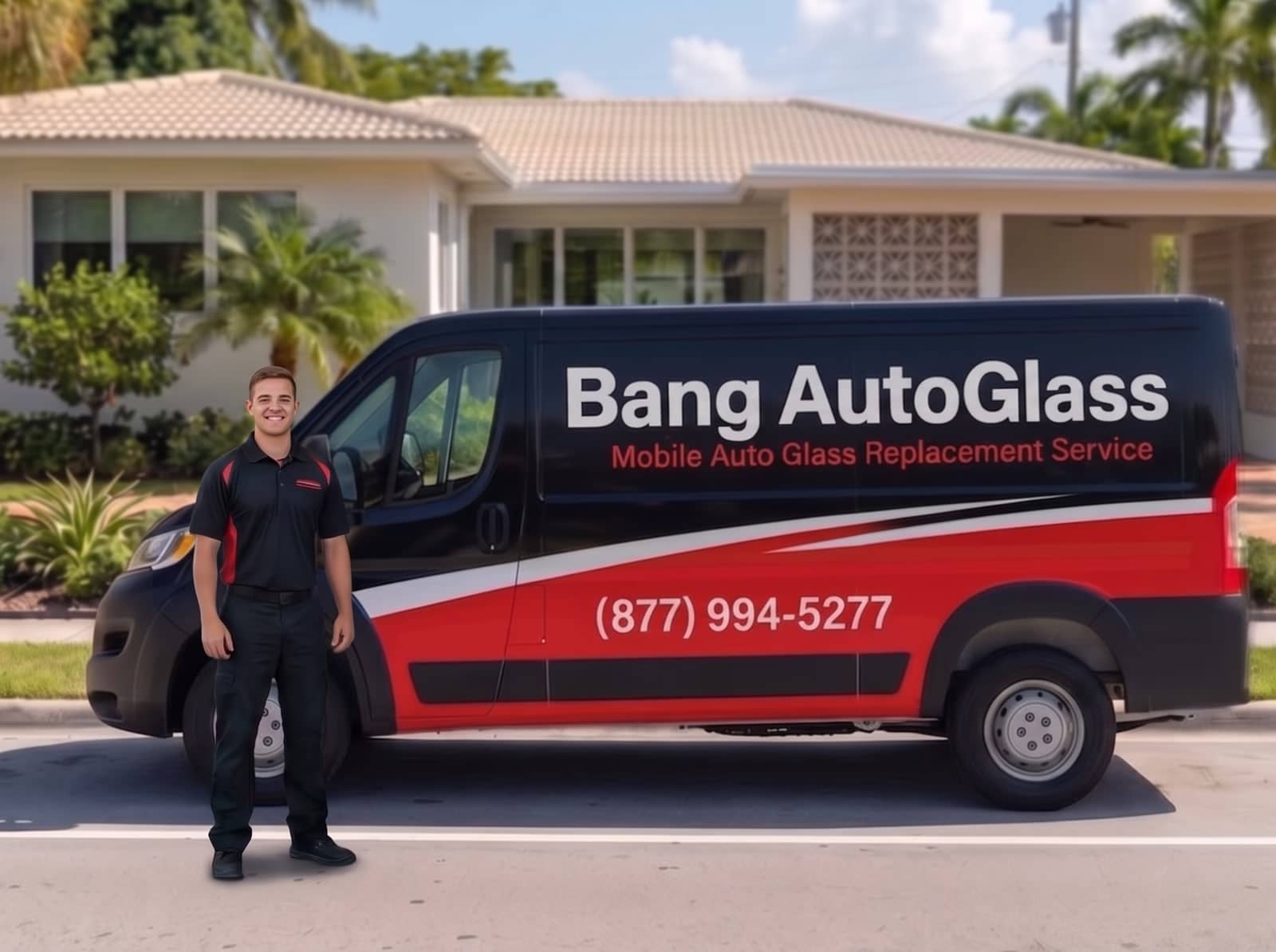
Infiniti Sunroof Glass Replacement
Bang AutoGlass replaces Infiniti panoramic moonroof and sunroof glass on QX60, QX80, QX50, and Q50 with OEM-spec panels, fresh weather seals, and full drainage-tube inspection. Mobile service in Arizona and Florida includes alignment, leak testing, and a lifetime workmanship warranty.
Infiniti Sunroof Glass Replacement: Premium Mobile Service You Can Trust
A damaged sunroof on your Infiniti isn't just a cosmetic problem — it's a structural, safety, and weather-sealing issue that needs prompt, professional attention. Whether you drive a sleek Q50 sedan, a sport-tuned Q60 coupe, or a family-sized QX60 crossover, the sunroof glass on your Infiniti was engineered to luxury standards, and replacing it requires the same level of precision. Bang AutoGlass specializes in Infiniti sunroof glass replacement, delivering OEM-quality materials, mobile convenience, and a lifetime workmanship warranty on every job. Most replacements take only 30 to 45 minutes to install, followed by a one-hour adhesive cure time, so you can get back to your day with minimal disruption.
Why Infiniti Sunroof Glass Replacement Requires Specialized Expertise
Infiniti vehicles are designed with premium materials, advanced electronics, and integrated comfort systems that make every glass component more than just a piece of tempered or laminated glass. The sunroof assembly in particular ties into your vehicle's drainage channels, headliner, sensors, and in many models, the panoramic sunroof motor and shade tracks. A poorly executed Infiniti sunroof glass replacement can lead to wind noise, water leaks, jammed mechanisms, and even electrical issues with the moonroof switch or one-touch operation.
Understanding the Engineering Behind Infiniti Sunroofs
Most modern Infiniti models use either a single-pane power moonroof or a multi-panel panoramic sunroof. These glass panels are typically made from tempered safety glass with a tinted, UV-resistant coating, and they're bonded to a metal or composite frame using high-strength urethane adhesive. The panel must seat precisely within the rails, align with the weather seals, and operate smoothly with the slide and tilt motor. Because Infiniti uses tight tolerances for fit and finish, even a millimeter of misalignment can throw off the operation of the entire sunroof system.
The Difference Between Sunroof, Moonroof, and Panoramic Roof
While the terms are often used interchangeably, there are technical distinctions. A traditional sunroof is an opaque panel that opens, while a moonroof is a tinted glass panel that tilts and slides. A panoramic sunroof, common in larger Infiniti SUVs like the QX60 and QX80, consists of multiple glass panels covering most of the roof's surface. Each style requires a slightly different replacement approach, and at Bang AutoGlass we're trained on all three configurations across the Infiniti lineup.
Common Causes of Infiniti Sunroof Glass Damage
Sunroof glass damage on an Infiniti can happen for several reasons, and understanding the cause helps you avoid future issues and decide how to handle the replacement.
Spontaneous Sunroof Shattering
One of the most surprising causes of Infiniti sunroof damage is spontaneous shattering, which occurs when stress builds within the tempered glass panel due to manufacturing variances, thermal expansion, or microscopic nickel sulfide inclusions. Drivers often report hearing a loud popping or gunshot-like sound before the glass crumbles into thousands of small pieces. This is more common in panoramic sunroofs because the larger surface area is exposed to more temperature variation.
Impact Damage From Road Debris
Gravel kicked up by other vehicles, falling tree branches, hailstones, and construction debris can all crack or shatter your Infiniti's sunroof glass. Even a small impact at highway speeds can produce a chip that spreads into a full crack over time, especially with the heating and cooling cycles your roof endures throughout the day.
Weather-Related Damage
Extreme heat, sudden cold snaps, and severe hailstorms are particularly hard on sunroof glass. The roof of your Infiniti gets the most direct sun exposure of any glass surface, and rapid temperature changes can cause existing chips to spread into structural cracks.
Mechanical Failure and Track Misalignment
When the sunroof mechanism binds or the glass panel slips out of its rails, the resulting stress can crack the glass during opening or closing. This is especially common in older Infiniti models where the sunroof drains may be clogged, causing the panel to bind against the frame.
Signs You Need an Infiniti Sunroof Glass Replacement
Not every issue with your sunroof requires a full glass replacement, but there are clear indicators that the panel itself needs to be swapped out. If you notice any visible cracks or chips in the glass, water leaking into the cabin around the headliner, wind noise that wasn't there before, a sunroof that won't seal properly when closed, or shattered glass on or around the roof, you're looking at a replacement rather than a repair. Unlike windshield chips, sunroof glass damage cannot be repaired with resin because the curvature, bonding, and safety requirements of the panel demand a complete replacement.
Infiniti Models We Service for Sunroof Glass Replacement
Bang AutoGlass services the full lineup of Infiniti vehicles, both current and legacy models, including:
- Infiniti Q50, Q60, Q70, and the older G35 and G37 sedans and coupes with factory power moonroofs
- Infiniti QX50 and QX55 crossovers with available panoramic sunroof packages
- Infiniti QX60 with the popular dual-panel panoramic moonroof common on the Luxe and Sensory trims
- Infiniti QX80 full-size SUVs equipped with the large overhead glass panel
- Older Infiniti FX35, FX37, FX50, EX35, and JX35 models that often need sunroof replacement due to age and seal wear
- Infiniti M35, M37, and M56 luxury sedans with factory tilt-and-slide moonroofs
If your Infiniti isn't listed above, reach out anyway — we source glass for nearly every Infiniti model produced in the last two decades.
Infiniti Q-Series Sedans and Coupes
The Q50, Q60, and Q70 series feature a single-pane power moonroof with one-touch open and close, integrated sliding sunshade, and a wind deflector. The glass panel on these models is roughly 24 to 27 inches wide and sits in a precision-molded frame. Replacement requires removing the headliner trim, disconnecting the moonroof motor harness in some cases, and bonding the new panel with urethane that meets OEM specifications.
Infiniti QX SUVs and Crossovers
Panoramic sunroofs on the QX60, QX55, and QX80 are larger and more complex. The QX60 panoramic moonroof, for example, has a front operable panel and a rear fixed glass panel, each requiring its own seals and rails. When replacing the front sliding panel, we calibrate the motor stop points and verify drainage to prevent future leaks. For the fixed rear panel, the focus shifts to perfect adhesive bonding and weather-tight sealing.
Our Mobile Infiniti Sunroof Glass Replacement Process
One of the biggest advantages of choosing Bang AutoGlass is that we come to you. Whether you're at home, at work, or anywhere else within our service area, our experienced technicians arrive in a fully equipped mobile service unit with everything needed to complete your Infiniti sunroof glass replacement on-site. Here's how the process works:
- You contact us by phone or through our quick sign-up form, and we schedule a next-day appointment at your preferred location.
- Our technician arrives with the correct OEM-quality replacement panel matched to your specific Infiniti model, year, and trim.
- We protect your interior with covers, then carefully remove the damaged sunroof glass, clean the bonding surfaces, and inspect the frame, rails, and drainage channels for any pre-existing issues.
- We apply automotive-grade urethane adhesive that meets or exceeds factory specifications and set the new panel into precise alignment.
- We test the operation of the sunroof, including tilt, slide, one-touch open and close, and the integrated sunshade if applicable.
- We give the urethane one hour to cure before you drive, ensuring a fully bonded, weather-tight seal.
The actual replacement labor typically takes 30 to 45 minutes, and you only need to wait that one additional hour for the adhesive to cure to safe-drive strength.
What to Expect During Your Mobile Appointment
Your technician will need a flat, level area to work in, ideally with some protection from direct rain. We recommend a driveway, parking lot, or garage. There's no need for power outlets or special tools on your end — our mobile units are fully self-contained.
OEM-Quality Materials for Every Infiniti Sunroof Replacement
When it comes to replacement glass, not all panels are created equal. Bang AutoGlass uses OEM-quality sunroof glass for every Infiniti replacement. These panels match the original factory glass in thickness, tint level, UV coating, curvature, and frame dimensions. They're manufactured by the same suppliers that produce glass for major automakers, and they meet all DOT safety standards. The result is a sunroof that looks, feels, and performs identically to the one your Infiniti rolled off the assembly line with — without the dealership markup.
Why Glass Quality Matters on a Luxury Vehicle
Infiniti owners expect a refined driving experience, and the sunroof plays a key role in that. Inferior glass can produce visible distortion, off-color tinting, poor UV protection that fades your interior, and weaker structural integrity. Our OEM-quality panels preserve the premium feel of your Infiniti and protect your investment for the long term.
Insurance Claims for Infiniti Sunroof Glass Replacement
If your Infiniti sunroof was damaged by a covered event such as hail, vandalism, falling debris, or a comprehensive claim event, your auto insurance policy may pay for the replacement, often with no out-of-pocket cost depending on your deductible and state regulations. Bang AutoGlass works with all major insurance carriers and we'll help you navigate the claims process from start to finish.
How We Help You File Your Insurance Claim
We help you with the insurance claim from start to finish and make the process as smooth as possible. That includes giving you the exact glass part information, providing an itemized estimate, documenting the damage if needed, and explaining what to say when you call your insurer. Once your claim is approved and you have a claim number, we coordinate directly with your insurance company for billing so you don't have to chase paperwork.
Understanding Sunroof Coverage Under Comprehensive Insurance
Sunroof glass replacement typically falls under the comprehensive portion of your auto insurance policy, not collision coverage. Unlike windshield replacement, which is sometimes covered with zero deductible in certain states, sunroof glass usually falls under your standard comprehensive deductible. Check with your insurance agent to confirm your specific coverage before we begin work.
Lifetime Workmanship Warranty on Every Infiniti Sunroof Replacement
Bang AutoGlass stands behind every job with a lifetime workmanship warranty. That means if you ever experience a leak, wind noise, adhesive failure, or any other issue caused by our installation, we'll come back out and make it right at no charge for as long as you own the vehicle. This warranty reflects our confidence in our technicians, our OEM-quality materials, and our process — and it gives Infiniti owners peace of mind that the job is done right the first time.
What the Warranty Covers
Our workmanship warranty covers installation-related issues including improper bonding, leaks from the sealed area, misalignment of the panel within the frame, and any operational issues caused by the replacement itself. It does not cover damage from new impacts, future glass breakage from external causes, or pre-existing mechanical issues with the sunroof motor or tracks.
Caring for Your Infiniti Sunroof After Replacement
Once your replacement is complete and the adhesive has fully cured, your sunroof is ready for normal use. For the first 24 hours, however, we recommend avoiding automatic car washes, high-pressure washing of the roof area, and slamming the doors with the windows fully closed, which can create pressure that disturbs the curing seal. After that initial period, you can use your sunroof exactly as you did before.
Long-Term Maintenance Tips
Keeping your sunroof drain channels clear is the single most important thing you can do to prevent future issues. Twice a year, gently clean any leaves, pollen, or debris from the channels around the open sunroof. Lubricating the seals with a silicone-based protectant once a year keeps the rubber pliable and extends seal life. Avoid forcing the sunroof open or closed if it binds — that's a sign of a mechanical issue that should be inspected before causing glass damage.
Why Infiniti Owners Choose Bang AutoGlass
Choosing the right shop for your Infiniti sunroof glass replacement matters. Bang AutoGlass combines luxury-grade expertise with the convenience of mobile service, fast next-day scheduling, OEM-quality glass, and a lifetime workmanship warranty. We've replaced sunroof glass on Infinitis ranging from older G37 coupes to brand-new QX80 SUVs, and our technicians know the quirks of each model — from the headliner clips on a QX60 to the wind deflector spring on a Q50.
Trained Technicians and Luxury Vehicle Experience
Our installers are trained specifically on luxury vehicle glass work, which is a different discipline than basic windshield replacement. Infiniti sunroofs require careful handling of trim pieces, awareness of electrical connections, and an understanding of how the roof's structural integrity ties into the rest of the vehicle. We don't cut corners, and we don't leave loose clips, scratched headliners, or sloppy adhesive lines behind.
Transparent Pricing and No Surprises
Before we begin any Infiniti sunroof glass replacement, you'll receive a clear, itemized quote that includes the glass, adhesive, labor, and any necessary trim or seal replacements. There are no hidden fees, no surprise charges at the end of the job, and no upsells for things you don't need.
Schedule Your Infiniti Sunroof Glass Replacement Today
Don't let a damaged sunroof compromise the safety, comfort, or appearance of your Infiniti. Bang AutoGlass makes it easy to get back on the road with a properly installed, OEM-quality sunroof panel backed by a lifetime workmanship warranty. With next-day appointments available, mobile service to your location, and a fast 30 to 45 minute install plus a one-hour cure time, there's no reason to wait. Fill out the quick sign-up form at the top of the page or give us a call, and one of our team members will get your Infiniti sunroof glass replacement scheduled right away.
Infiniti Sunroof Glass Replacement — common questions
What is involved in Infiniti sunroof glass replacement?
A sunroof glass replacement involves removing the damaged panel and installing a new OEM-quality glass panel that is bonded to the frame. We also reconnect any defroster and drainage systems to ensure full function.
How long does an Infiniti sunroof glass replacement take?
The replacement itself takes about 30–45 minutes to complete. The adhesive then needs time to set — about an hour is typical, and your technician confirms the exact safe drive-away time. Plan for roughly 1.5–2 hours total.
Is sunroof glass replacement covered by insurance?
Comprehensive insurance typically covers sudden damage like hail or falling debris, with many customers paying nothing out of pocket depending on their deductible and coverage. We can help you start your claim if needed.
Why is the glass replaced rather than repaired?
Sunroof glass is tempered and cannot be safely repaired. Once cracked or shattered, the entire panel must be replaced with a new OEM-quality glass to maintain safety and function.
Where we do Infiniti auto glass
Bang AutoGlass is a mobile auto glass company serving Arizona and Florida. We don't have a shop you drive to — we come to your home, your job, or wherever the car is sitting, with next-day appointments in most areas. In Arizona that means the whole Valley — Phoenix, Mesa, Scottsdale, Chandler, Gilbert, Tempe, Glendale and out to Tucson and Prescott. In Florida we cover Tampa Bay, Orlando and Miami, from St. Petersburg and Clearwater across to Kissimmee, Winter Park and Fort Lauderdale.
Browse every city we serve in Arizona and Florida, or read how coverage works under Arizona's glass statutes and Florida's § 627.7288.
Mobile auto glass — cities we serve
4.8★ on Google · 350+ reviews from AZ & FL drivers
“I needed my windshield replaced and they made the entire process easy. Bang AutoGlass is the best!”
“Top-notch auto glass service. They handled my windshield replacement quickly and professionally.”
“Bang AutoGlass made my windshield replacement simple from start to finish.”
Need Infiniti Sunroof Glass Replacement?
We come to you across Arizona and Florida — often $0 with insurance.
We reply within minutes during business hours.