Cadillac Door Glass Replacement
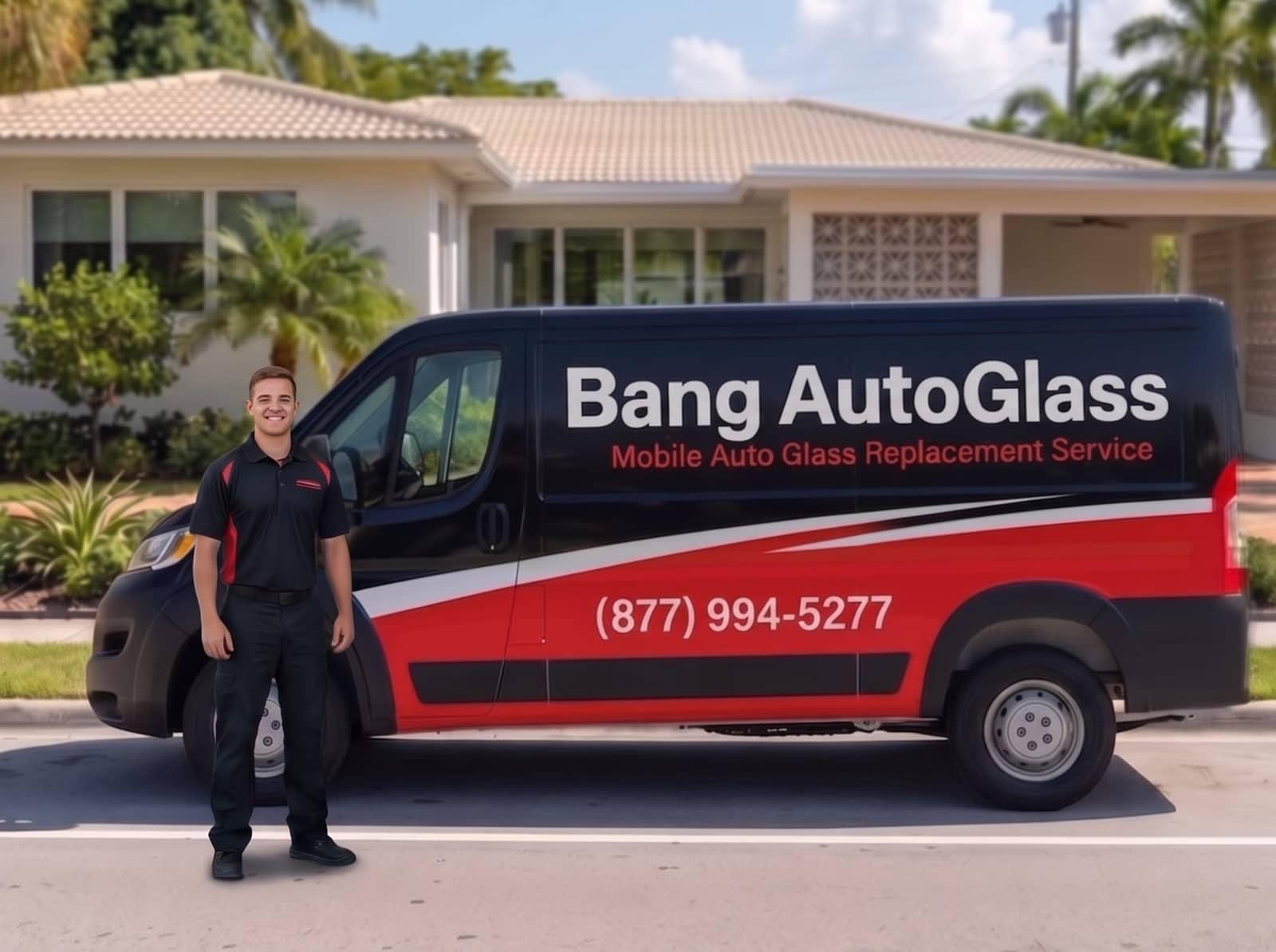
Bang AutoGlass replaces Cadillac door glass on Escalade, XT5, XT6, CT4, CT5, and Lyriq with OEM-fit tempered side windows shaped to factory curvature. Mobile service across Arizona and Florida includes vacuum cleanup, regulator inspection, weatherstrip check, and lifetime workmanship warranty.
Cadillac Door Glass Replacement
When the side window of your Cadillac shatters or fails, it's more than a cosmetic inconvenience — it's a security, comfort, and safety issue rolled into one. Cadillac door glass is engineered to deliver the quiet, refined ride the brand is known for, and a proper Cadillac door glass replacement should restore that cabin experience to the level you had the day you drove off the dealer lot. At Bang AutoGlass, our mobile technicians specialize in Cadillac side window replacement across every modern model, from the full-size Escalade down to the sleek CT4 and CT5 sedans, plus the entire crossover lineup and newer EV platforms like the Lyriq. Whether you're dealing with a smash-and-grab, an off-track regulator, or stress-fractured tempered glass, we'll have your Cadillac back to factory-spec performance quickly, cleanly, and with materials that match the original equipment.
Why Cadillac Door Glass Replacement Demands Specialized Care
Cadillac vehicles aren't just luxury cars on the outside — they're built around acoustic insulation, advanced power window electronics, and tight body tolerances that require an experienced hand to service properly. A generic auto glass shop that treats your Escalade like any other SUV can leave you with wind noise, water leaks, sensor errors, or glass that drops off track within months. Cadillac door glass replacement should be done with the same precision the factory uses, which is exactly what we deliver.
Acoustic and Laminated Glass on Cadillac Models
Many Cadillac trims, especially Premium Luxury and Sport packages on the Escalade, CT5-V, XT6, and Lyriq, ship with acoustic laminated side glass instead of standard tempered glass. This dual-pane sandwich construction with a sound-dampening PVB interlayer is what keeps the Cadillac cabin so impressively quiet at highway speeds. Replacing it with the wrong material will dramatically change the way your vehicle sounds, vibrates, and even feels. Our team identifies the correct glass spec by VIN before any work begins, so your replacement matches what came from the factory.
Power Window Systems and Electronics
Cadillac power window systems include one-touch auto up and down, anti-pinch protection, express features, and on some trims, soft-close capability and memory positioning. These systems rely on a properly initialized window motor and regulator that communicates with the body control module. After a Cadillac door glass replacement, the auto-up function and pinch protection typically need to be re-initialized so the system relearns the upper and lower travel limits. Our technicians perform this calibration as part of every install — not as an upcharge.
Frame Geometry and Weather Sealing
Cadillac door glass rides inside precise channel runs and is sealed by inner and outer beltline weatherstrips, plus glass guides at the front and rear of the door. If the glass isn't seated perfectly within these channels, you'll hear it — and feel it — through wind noise, water intrusion, and uneven movement. We take the extra time to inspect, clean, and properly seat every weatherstrip and channel during your Cadillac door window replacement.
Common Reasons Cadillac Door Glass Needs Replacement
Door glass damage on a Cadillac usually falls into a few predictable categories, and understanding the cause helps determine whether you need just glass, or glass plus a regulator, motor, or weatherstrip.
Smash-and-Grab Break-Ins
The most common reason Cadillac owners call us for door glass replacement is theft-related damage. Tempered side glass shatters into thousands of small cubes, which is the safest failure mode for occupants, but it also means the cleanup is significant. We bring a high-powered vacuum and the right tools to extract every shard from the door cavity, the seat tracks, the floor carpet, and the door pocket — because leftover glass migrates and will reappear weeks later if it isn't fully cleared.
Impact Damage from Debris
Highway debris, falling branches, parking lot incidents, and even hailstones can break Cadillac side glass. Because tempered glass either holds together or fails completely, even a small impact can trigger a full break. If you've been in a minor collision and your Cadillac door glass is intact but cracked, we should still replace it — tempered glass that is compromised is structurally unreliable.
Failed Regulators and Off-Track Glass
The window regulator is the mechanical scissor or cable system that raises and lowers the glass. On older Cadillac CTS, SRX, and XTS models, plastic regulator clips are a known failure point, and on newer Escalade and XT6 platforms, cable-style regulators can fray over time. When a regulator fails, the glass can drop into the door, jam at an angle, or simply refuse to move. If we find a damaged regulator during your Cadillac door glass replacement, we'll let you know up front and quote the repair before doing anything beyond the original scope.
Stress Cracks from Temperature Swings
Less common, but it happens — extreme temperature differentials, especially blasting hot air conditioning on icy glass or pouring hot water on a frozen window, can cause tempered glass to fail. The break often looks like it came out of nowhere because the stress was building over time.
Cadillac Models We Service
Our Cadillac door glass replacement service covers the full lineup. Here's a closer look at what we see most often on each platform.
Cadillac Escalade Door Glass Replacement
The Escalade and Escalade ESV are the most common Cadillac vehicles we service for door glass replacement, partly because their size and visibility make them targets for break-ins. Whether you're driving a fifth-generation model with the curved OLED dash or an older platform, we stock and source the right laminated or tempered glass for every door position — front driver, front passenger, rear passenger left, and rear passenger right. We're also familiar with the Escalade's unique B-pillar applique trim that has to be removed carefully on certain trims.
Cadillac XT4, XT5, and XT6 Door Glass Replacement
The Cadillac crossover lineup is one of the brand's bestsellers, and we replace XT4, XT5, and XT6 door glass regularly. These vehicles have tight tolerances between the door glass and the upper window frame, and proper alignment is critical to prevent wind noise at highway speeds. We also pay close attention to the rear vent glass on XT5 and XT6 models, which is a separate fixed pane that occasionally needs replacement after impact damage.
Cadillac CT4 and CT5 Door Glass Replacement
Cadillac's sedan lineup, including the performance CT4-V and CT5-V variants, uses precision-fit door glass with framed windows. The Blackwing models especially benefit from acoustic glass that contributes to the refined ride. We handle CT4 and CT5 door glass replacement with attention to the chrome or piano-black beltline trim that frames the glass, which often needs to be removed and reinstalled carefully to avoid scratches.
Cadillac Lyriq and Newer EV Models
The Lyriq introduces a new generation of Cadillac engineering, including frameless-feeling pillars and large laminated side glass for improved sound isolation on the EV platform. Replacing door glass on the Lyriq requires familiarity with the Ultium platform's wiring routing inside the door, and we make sure no high-voltage or low-voltage harnesses are pinched during reassembly. Whether you have a Lyriq, a Celestiq, or a future Cadillac EV, our team stays current on each model.
Our Cadillac Door Glass Replacement Process
We've refined our Cadillac side window replacement process to be fast, clean, and consistent every single time.
Step-by-Step Mobile Service
Because we operate as a fully mobile auto glass service, we come to your home, office, or any reasonable location with a flat parking area. Most Cadillac door glass replacements take 30 to 45 minutes of hands-on work, plus a short cure period only when a bonded panel such as vent glass is part of the job.
Vehicle Assessment and VIN Verification
We start every Cadillac door glass replacement by verifying your VIN to confirm the correct glass type, tint level, and any acoustic specifications. Cadillac builds the same body style with multiple glass options depending on trim, so this step prevents ordering the wrong part.
Door Panel Removal and Glass Extraction
Next, we carefully remove the interior door panel, vapor barrier, and any necessary trim pieces. We protect the door's interior components, including the speaker, switch panel, and any soft-touch leather or wood trim that Cadillac is known for. If the original glass is shattered, we vacuum the door cavity completely before installing the new pane.
Installation and Calibration
We then install the new OEM-quality door glass, set it into the regulator clips, and align it within the channel runs. Once the glass is seated, we cycle the window to confirm smooth travel, then reinitialize the auto up/down and anti-pinch protection so all factory features work exactly as they did before.
Cure Time and Final Testing
For door glass specifically, there's typically no urethane-based adhesive like there would be for a windshield, so most door glass installs are drive-away safe almost immediately. However, when our process involves any bonding agents around vent glass or trim, we ask for one hour of cure time before driving, which keeps everything sealed properly and prevents leaks or wind noise.
How Long Does Cadillac Door Glass Replacement Take?
Most Cadillac door glass replacements are completed in 30 to 45 minutes of active work. If adhesive is used during the install, we allow one hour of additional cure time before you drive the vehicle, which gives the adhesive a chance to set fully. So from the time we arrive to the time your Cadillac is back in your hands, you're typically looking at under two hours — and you don't even have to leave your house or office.
OEM-Quality Materials for Cadillac Door Glass
Every Cadillac door glass replacement we perform uses OEM-quality glass that meets or exceeds the original specification for your vehicle. That means correct thickness, correct tint level, correct acoustic dampening where applicable, and proper fit within the factory channels. We don't cut corners on materials, because the wrong glass on a Cadillac is the difference between a quiet, refined cabin and a noisy daily reminder that something is off.
Why OEM-Quality Matters
The Cadillac brand is built on refinement, and the glass plays a bigger role in that experience than most owners realize. Cheap glass is often thinner, less optically clear, and lacks the acoustic interlayer that comes standard on many trims. Choosing OEM-quality means your replacement looks, sounds, and performs the way Cadillac intended.
Mobile Cadillac Door Glass Replacement Across Our Service Area
You shouldn't have to drive a Cadillac with a broken window, a plastic bag taped over the door, or a missing pane to a shop and sit in a waiting room. That's why we built Bang AutoGlass as a mobile-first service.
How Mobile Service Works
When you schedule your Cadillac door glass replacement, we'll confirm the appointment time and arrive at your selected location with all the tools, glass, and supplies needed to complete the job on site. You don't have to be home the whole time, you don't have to drop your car off anywhere, and you don't have to coordinate a tow if the vehicle isn't drivable.
Weather Considerations
Door glass replacement is generally more weather-tolerant than windshield work because adhesive cure isn't always involved, but heavy rain or extreme cold can still affect the install. If the forecast is bad on your scheduled day, we'll proactively reach out to reschedule or relocate the appointment to a covered area like a garage or carport.
Cadillac Door Glass Replacement Cost Factors
The price of a Cadillac door glass replacement depends on several variables, and we always give you a clear quote up front. The main factors that affect cost include:
- The specific Cadillac model and year, since newer platforms like the Lyriq use different glass than an older SRX or XTS
- The door position (front doors are typically more expensive than rear doors)
- Whether the glass is acoustic laminated or standard tempered
- Tint level and any privacy glass specifications
- Whether the regulator, motor, or weatherstrip also needs replacement
- Whether you're filing through insurance or paying out of pocket
We'll walk you through every line of the quote so there are no surprises when the work is done.
Insurance Claims Assistance for Cadillac Door Glass
If you carry comprehensive coverage on your Cadillac, your door glass replacement is often covered with little or no out-of-pocket cost depending on your deductible. We help you with the insurance claim from start to finish and make the process as smooth as possible. Once your claim is open, we coordinate directly with the insurance company and your adjuster to handle the billing side, so you only have to make the initial call.
Our Lifetime Workmanship Warranty
Every Cadillac door glass replacement we perform is backed by our lifetime workmanship warranty. That's our promise that the job was done correctly, and if anything related to our installation fails — wind noise from a poorly seated weatherstrip, a glass channel that wasn't aligned, a regulator clip that wasn't properly secured — we'll come back and make it right at no charge to you.
What's Covered
Our warranty covers workmanship for the life of the vehicle under your ownership. It doesn't cover new damage from a separate incident, like a second break-in or a road debris impact, but it absolutely covers anything we touched during the original install.
Next-Day Appointments for Cadillac Owners
A broken Cadillac door window doesn't wait, and neither should you. We offer next-day appointments on Cadillac door glass replacement in most cases, which means a window broken today can typically be replaced tomorrow. If you're dealing with a smash-and-grab from this morning, give us a call and we'll get you on the schedule for the very next available slot.
Tips for Cadillac Owners After Door Glass Replacement
Once your Cadillac door glass replacement is complete, a few simple habits will help everything settle in and last for years.
- Avoid running the window up and down repeatedly in the first hour while everything seats fully
- Skip the automatic car wash for at least 24 hours, especially the high-pressure spray bays
- Roll the window down halfway and back up a few times the next day to let the channel runs lubricate naturally
- Keep an eye out for any unusual wind noise at highway speeds and let us know immediately if you notice anything
- Make sure the door is fully closed each time, since a slightly ajar door can flex the glass channel during the first day
Frequently Asked Questions About Cadillac Door Glass Replacement
Can you match the factory tint on my Cadillac door glass?
Yes. Cadillac door glass comes pre-tinted from the factory in most cases, and we match that exact tint level with our OEM-quality replacement glass. If your Cadillac has aftermarket window tint film on top of the factory glass, the film itself will need to be reapplied separately after the new glass is installed.
Will my one-touch auto-up still work after the replacement?
Yes. Reinitializing the auto-up function and the anti-pinch sensor is part of every Cadillac door glass replacement we perform. Before we leave, we cycle the window multiple times to confirm one-touch up, one-touch down, express features, and pinch protection are all functioning exactly the way they did before.
Do you replace just the glass, or also the regulator?
We replace just the glass by default, but if we discover during disassembly that the regulator or motor is damaged, worn, or about to fail, we'll let you know and quote the additional repair before proceeding. It's often more cost-effective to address both at the same time while the door is already open.
Can I drive my Cadillac the next day?
In most cases, yes. Door glass replacement typically doesn't require the long cure times that windshield work does. We ask for one hour of cure time when any adhesive is involved, after which your Cadillac is fully ready to drive.
Schedule Your Cadillac Door Glass Replacement Today
Whether you're driving an Escalade, XT5, CT5, Lyriq, or any other Cadillac in the lineup, Bang AutoGlass is ready to restore your vehicle to factory-spec quality with mobile, next-day service, OEM-quality materials, and a lifetime workmanship warranty backing every install. Reach out today and we'll get your Cadillac door glass replacement on the calendar — most often for the very next day — so you can get back to enjoying the quiet, refined Cadillac driving experience the way it was meant to be.
Cadillac Door Glass Replacement — common questions
How long does Cadillac door glass replacement take?
The replacement itself typically takes 30-45 minutes to complete. Since door glass is held by hardware (a window regulator) rather than adhesive, you can usually drive right away after the technician finishes and vacuums up the shattered glass.
What happens during a mobile door glass replacement?
Our technician comes to your home, work, or roadside with a fully-equipped vehicle. They remove the broken door glass, clean the frame, install OEM-quality replacement glass, and vacuum out all shattered tempered glass from the door and interior—all on-site with shop-quality results.
Is the door glass backed by a warranty?
Yes, every door glass replacement is backed by a lifetime workmanship warranty. This covers the installation quality and materials used, giving you long-term peace of mind.
Does comprehensive insurance cover Cadillac door glass damage?
Comprehensive insurance typically covers door glass damage from collision, theft, or vandalism. If you have comprehensive coverage, we'll help you file your claim so you understand what your out-of-pocket cost will be.
Where we do Cadillac auto glass
Bang AutoGlass is a mobile auto glass company serving Arizona and Florida. We don't have a shop you drive to — we come to your home, your job, or wherever the car is sitting, with next-day appointments in most areas. In Arizona that means the whole Valley — Phoenix, Mesa, Scottsdale, Chandler, Gilbert, Tempe, Glendale and out to Tucson and Prescott. In Florida we cover Tampa Bay, Orlando and Miami, from St. Petersburg and Clearwater across to Kissimmee, Winter Park and Fort Lauderdale.
Browse every city we serve in Arizona and Florida, or read how coverage works under Arizona's glass statutes and Florida's § 627.7288.
Mobile auto glass — cities we serve
4.8★ on Google · 350+ reviews from AZ & FL drivers
“I needed my windshield replaced and they made the entire process easy. Bang AutoGlass is the best!”
“Top-notch auto glass service. They handled my windshield replacement quickly and professionally.”
“Bang AutoGlass made my windshield replacement simple from start to finish.”
Need Cadillac Door Glass Replacement?
We come to you across Arizona and Florida — often $0 with insurance.
We reply within minutes during business hours.