Hyundai ADAS Calibration in Arizona & Florida
Hyundai SmartSense camera calibration after a windshield replacement, in our Arizona and Florida service areas.
Free coverage check. We help you file the claim.
Text us a photo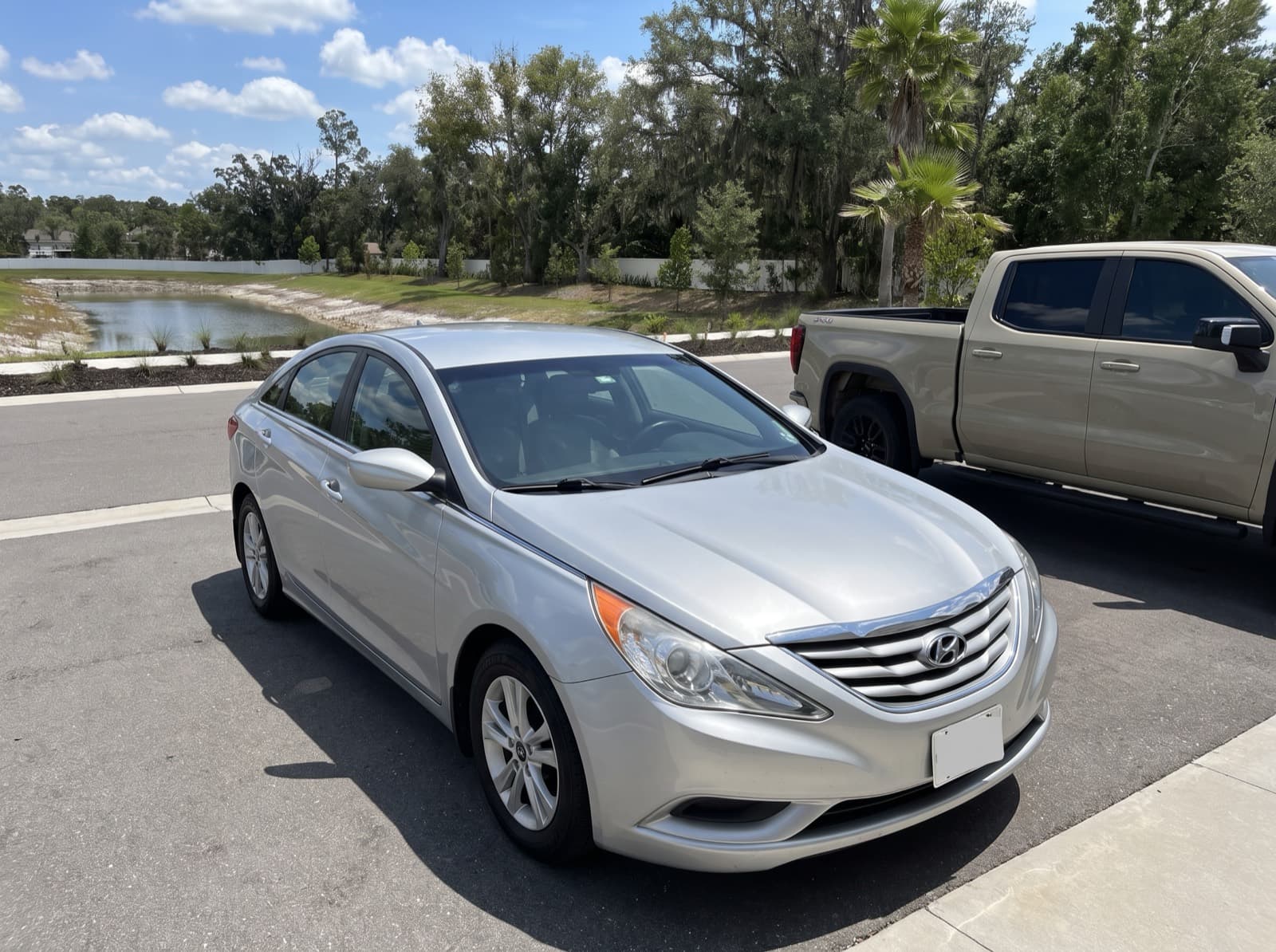
The Hyundai SmartSense camera behind your mirror
Hyundai SmartSense runs through a camera mounted on the windshield behind the rearview mirror. It reads lane lines and traffic for Lane Following Assist, Lane Keeping Assist and Forward Collision-Avoidance Assist, and on many Hyundai models it works with a front radar for Smart Cruise Control. Hyundai's own position statement ties calibration to every windshield replacement.
Hyundai lists calibration requirements model by model rather than in one blanket rule, so an Elantra, a Tucson and an Ioniq 5 can each have a different procedure. We look up the requirement for your exact Hyundai before the visit.
Camera behind the mirror
The SmartSense camera sits on the windshield behind the rearview mirror and looks through the glass.
Lane Following Assist
Lane Following Assist keeps the Hyundai centered using the lane lines the camera reads.
Collision-Avoidance Assist
Forward Collision-Avoidance Assist watches the road ahead through the same camera.
Model-by-model rules
Hyundai sets calibration requirements per model, so the procedure depends on what you drive.
Read more
Camera behind the mirror
The SmartSense camera sits on the windshield behind the rearview mirror and looks through the glass.
Lane Following Assist
Lane Following Assist keeps the Hyundai centered using the lane lines the camera reads.
Collision-Avoidance Assist
Forward Collision-Avoidance Assist watches the road ahead through the same camera.
Model-by-model rules
Hyundai sets calibration requirements per model, so the procedure depends on what you drive.
When a Hyundai needs camera calibration
Hyundai's position statement says that after a windshield replacement, the electronic systems should be calibrated with Hyundai diagnostic software and hardware, following the shop manual. We plan your Hyundai calibration with the windshield appointment, and we also calibrate Hyundais whose glass was replaced by another shop.
Hyundai's per-model procedure decides whether the camera is aimed at targets placed ahead of the car, confirmed on a road drive with clear lane lines, or both. If your Hyundai's procedure cannot be finished where it is parked, we tell you before starting and arrange the next step.
Hyundai ADAS calibration
How our ADAS calibration worksHyundai models with a windshield camera
SmartSense runs across most current Hyundai models, sedans and SUVs alike. Elantra, Tucson, Santa Fe, Palisade and Ioniq 5 owners ask about it most.
| Model | Service note |
|---|---|
| Hyundai Elantra | Hyundai publishes model-specific calibration requirements for the Elantra after glass work. |
| Hyundai Tucson | The Tucson's camera sits behind the mirror and needs calibration after a new windshield. |
| Hyundai Santa Fe | Santa Fe models use the windshield camera for lane and collision features. |
| Hyundai Palisade | Palisade trims with SmartSense need the camera calibrated once the windshield is replaced. |
| Hyundai Ioniq 5 | The electric Ioniq 5 follows its own calibration procedure for the windshield camera. |
Read more
Hyundai Elantra
Hyundai publishes model-specific calibration requirements for the Elantra after glass work.
Hyundai Tucson
The Tucson's camera sits behind the mirror and needs calibration after a new windshield.
Hyundai Santa Fe
Santa Fe models use the windshield camera for lane and collision features.
Hyundai Palisade
Palisade trims with SmartSense need the camera calibrated once the windshield is replaced.
Hyundai Ioniq 5
The electric Ioniq 5 follows its own calibration procedure for the windshield camera.
What changes a Hyundai calibration quote
Hyundai calibration can be booked with an Elantra or Tucson windshield, or on its own after glass work elsewhere. The model, the SmartSense features and the procedure Hyundai lists for that model all change the work, and we start with a free coverage check.
Model procedure
Each Hyundai model has its own listed calibration steps, so the work differs.
Target or drive
A Tucson aimed at targets needs flat ground and open space ahead of it.
Glass fitted elsewhere
An Elantra fitted with glass elsewhere gets its SmartSense calibration quoted separately.
Camera and bracket
A Sonata or Tucson camera with a broken cover or loose bracket cannot be aimed until that is put right.
Hyundai camera calibration coverage in Arizona and Florida
For a Hyundai, calibration tied to a covered windshield replacement is usually part of the same claim. An Elantra or Tucson in Arizona needs the full glass option for the windshield itself, while Florida comprehensive waives the windshield deductible. Arizona and Florida both expect the glass company to say whether a Tucson or Elantra needs recalibration, and Hyundai owners hear it before any work.
General info, not legal or insurance advice — coverage varies by policy.
How a Hyundai calibration visit works
We inspect the windshield, the camera bracket and the cover, then connect the diagnostic tool and run the calibration Hyundai lists for your model. The target setup or road drive is completed, and we finish by checking that SmartSense shows no warning messages.
ADAS Calibration Need
Book Calibration Appointment
Vehicle-Specific Calibration
Final ADAS Check
Hyundai ADAS calibration — common questions
Does my Hyundai need calibration after a windshield replacement?
What does Hyundai SmartSense include?
Can you calibrate my Hyundai if another shop replaced the windshield?
Why does my Hyundai show a SmartSense warning after a new windshield?
Is Hyundai camera calibration covered by insurance?
“Great job to the Bang Team. They replaced my windshield while I was working and made the whole process easy to understand.”
Daniela Carrascal · Google review · Tampa Bay profile · August 15, 2026
Need Hyundai ADAS calibration?
Hyundai SmartSense camera calibration in our Arizona and Florida service areas, following Hyundai's procedure after a windshield replacement.
- 4.7out of 5 stars on Google
- 350+reviews across our Google profiles
- 14,000+completed installs
- Latest review: September 2026