Audi Windshield Replacement
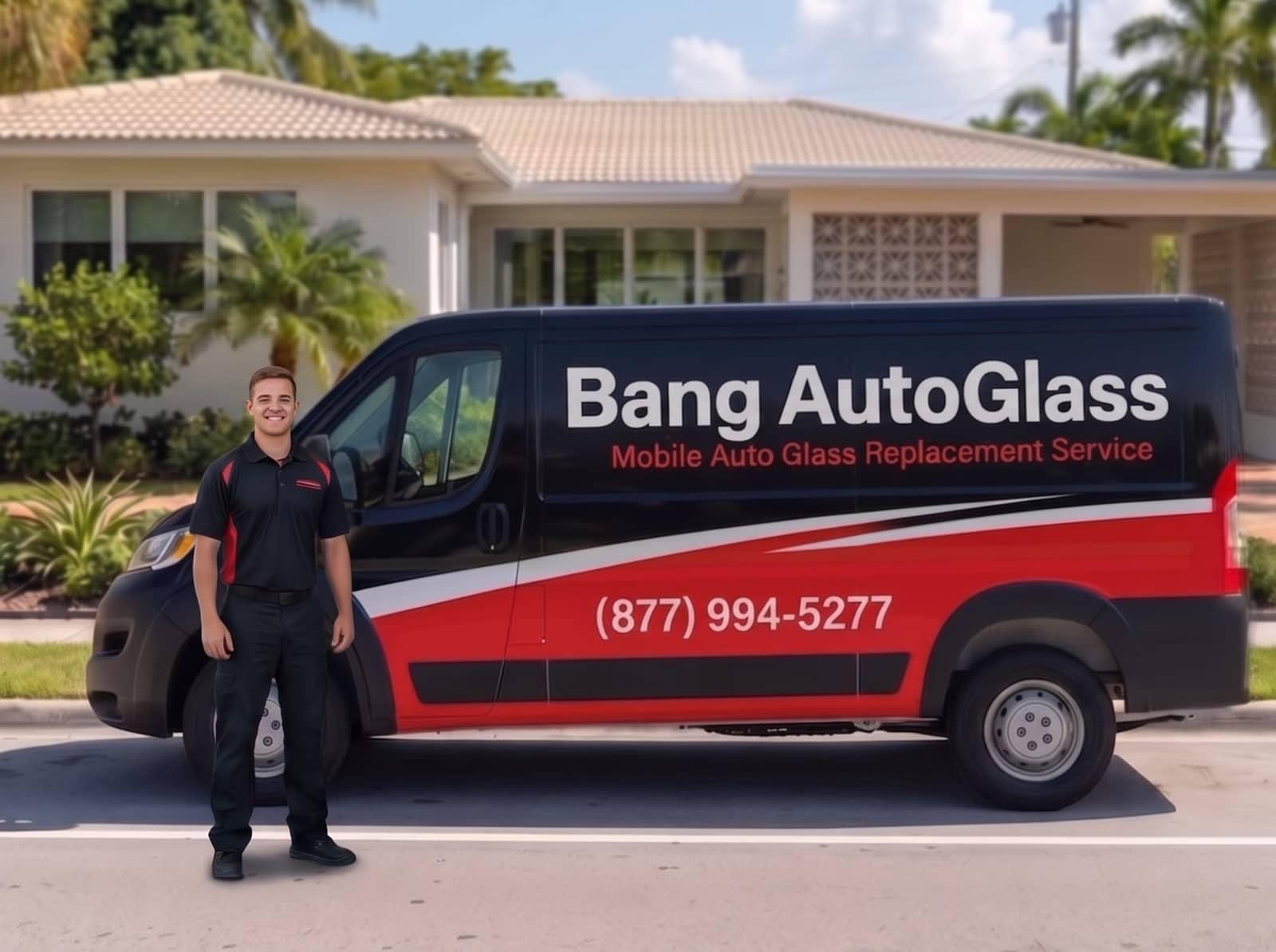
Bang AutoGlass installs Audi windshields on A4, A6, Q5, Q7, and e-tron using OEM-spec laminated acoustic glass that supports pre sense camera, rain sensor, HUD, and Virtual Cockpit cues. Mobile service across Arizona and Florida includes urethane bonding, ADAS recalibration, and lifetime warranty.
Audi Windshield Replacement: Expert Auto Glass Service for German-Engineered Precision
When your Audi suffers windshield damage, you need more than a standard auto glass replacement. Audi vehicles are precision-engineered machines that blend luxury, performance, and cutting-edge technology, and the windshield plays a critical structural and technological role in every model. At Bang AutoGlass, our Audi windshield replacement service is built around the specific needs of these vehicles, from the compact A3 to the flagship Q8 and everything in between. Whether you're dealing with a chip that has spread into a crack, a shattered windshield from highway debris, or stress fractures caused by extreme temperature changes, our team delivers fast, reliable Audi auto glass replacement that protects your investment and keeps your advanced safety systems functioning exactly as Audi engineers intended.
Why Audi Windshield Replacement Requires Specialized Expertise
Replacing a windshield on an Audi is not the same as replacing one on a typical economy vehicle. German automakers, and Audi in particular, integrate their windshields with a sophisticated ecosystem of safety, comfort, and convenience technologies that demand specialized knowledge to handle correctly. A poorly installed Audi windshield can compromise structural integrity, disable safety features, allow water and wind intrusion, and even reduce the resale value of your vehicle.
Advanced Driver Assistance Systems and Audi Pre Sense
Most modern Audi models, from roughly 2015 onward, come equipped with Audi pre sense, lane departure warning, adaptive cruise control, traffic sign recognition, and other ADAS features that rely on a forward-facing camera mounted behind the windshield. When the glass is replaced, this camera must be properly recalibrated so these systems read the road correctly. Even a millimeter of misalignment can cause adaptive cruise control to brake unexpectedly, lane keep assist to drift, or Audi pre sense to fail at the worst possible moment.
Acoustic Laminated Glass Technology
Audi is known for its quiet, refined cabin, and a significant part of that comes from the acoustic laminated windshields used across most of the lineup. Acoustic glass features a special sound-dampening layer sandwiched between two pieces of laminated glass, which reduces road noise, wind noise, and engine sound from entering the cabin. Replacing acoustic glass with standard glass is a common mistake made by unqualified shops, and it noticeably degrades the driving experience. Our team always sources the correct acoustic windshield for your specific Audi model and trim.
Heads-Up Display Compatibility
Higher trim levels of the Audi A6, A7, A8, Q7, Q8, and e-tron often feature an integrated Heads-Up Display that projects speed, navigation, and safety information onto the windshield. HUD windshields contain a special reflective film and require precise installation to maintain image clarity. Installing a non-HUD windshield on a HUD-equipped Audi will result in a double-image effect or no projection at all, which is why VIN-specific glass sourcing matters so much.
Audi Models We Service
Our Audi windshield replacement service covers virtually every Audi sold in the United States over the past two decades. We regularly handle glass replacements for the full Audi lineup, sourcing the correct windshield for each variant based on VIN, trim level, and factory options.
Audi Sedan Windshield Replacement
The Audi A3, A4, A5 Sportback, A6, A7, and A8 each have unique windshield specifications based on year and trim. The Audi A4 windshield replacement, for example, varies dramatically between a base 2018 A4 and a 2023 A4 Premium Plus with the technology package. Our technicians verify your Audi by VIN to ensure we install the correct glass with all sensors, brackets, and features matched to your factory configuration.
Audi SUV and Crossover Windshield Replacement
The Audi Q3, Q5, Q7, Q8, and SQ-series SUVs are among the most popular vehicles we service. Audi Q5 windshield replacement and Audi Q7 windshield replacement requests come in nearly every week, and these vehicles almost always require ADAS recalibration due to their forward-facing safety camera systems. Larger SUVs like the Q7 and Q8 also frequently feature rain sensors, light sensors, and humidity sensors integrated into the windshield mount.
Audi Performance and Sport Models
Owners of the Audi S3, S4, S5, S6, S7, S8, RS3, RS5, RS6, RS7, TT, TTS, TT RS, and R8 deserve a windshield replacement that respects the performance pedigree of their vehicle. We use OEM-quality glass and installation techniques that maintain the structural rigidity these performance Audis require. The R8 in particular has a unique windshield profile that demands meticulous installation due to its mid-engine layout and aluminum spaceframe construction.
Audi e-tron Electric Vehicle Windshield Replacement
The Audi e-tron, e-tron GT, Q4 e-tron, and Q8 e-tron lineup represents Audi's electric future, and these vehicles often feature even more glass-integrated technology than their gas-powered counterparts. Heated windshields, advanced HUD systems, and additional camera arrays are common on Audi EVs, and our team is trained to handle the unique requirements of these vehicles.
Common Causes of Audi Windshield Damage
Understanding what causes windshield damage on your Audi can help you avoid future issues and decide whether you need a repair or a full replacement.
Road Debris and Highway Driving
The most common cause of Audi windshield damage is road debris, particularly rocks and gravel kicked up by trucks and construction vehicles on highways. Even small pebbles traveling at highway speeds can chip or crack laminated glass. Audi windshields tend to have a steeper rake angle than many vehicles, which can make them more vulnerable to impact damage from low-angle road debris.
Temperature Extremes and Thermal Stress
Audi owners in regions with hot summers and cold winters often experience temperature-related windshield damage. A small chip can expand into a long crack when the glass contracts during cold mornings or expands under direct summer sunlight. Running the defroster at full blast on a frozen windshield, or pouring hot water on ice, can cause sudden cracks that require immediate replacement.
Stress Fractures from Improper Prior Installation
We see a surprising number of Audis come in with stress cracks that originate from a poor windshield installation done by another shop. When urethane adhesive is applied incorrectly, when the wrong glass is used, or when pinch welds are damaged during removal, the windshield can develop cracks that spread without any external impact. This is one of many reasons we recommend choosing a specialist for Audi auto glass replacement from the start.
Audi Windshield Repair vs Replacement
Not every chip or crack requires a full Audi windshield replacement, but some absolutely do.
When Repair Is Possible
Small chips smaller than a quarter, and short cracks under three inches that are not in the driver's primary line of sight, can often be repaired with resin injection. Repairs are most effective on fresh damage, and a chip that sits for weeks accumulating dirt and moisture becomes difficult or impossible to repair cleanly.
When Full Replacement Is Necessary
Audi windshield replacement is required when the damage is in the driver's line of sight, when cracks extend to the edge of the windshield, when there are multiple impact points, when the inner layer of laminated glass is compromised, or when the damage interferes with sensor visibility. Because of the cameras and sensors mounted to most Audi windshields, even moderate damage near the rearview mirror area typically requires replacement to ensure safety systems function correctly.
Our Audi Windshield Replacement Process
Every Audi windshield replacement we complete follows a carefully refined process designed to ensure perfect fit, proper sealing, and uncompromised safety system performance.
Initial Inspection and VIN Verification
Before we even order glass, we verify your Audi by VIN to identify the correct windshield part number, including any trim-specific features like rain sensors, lane assist cameras, HUD, heated wiper park, acoustic glass, and antenna integration. This step alone eliminates the most common cause of botched Audi windshield jobs.
Careful Removal of the Damaged Windshield
Audi windshields are bonded to the body with high-strength urethane adhesive, and the cowl, A-pillar trims, and rearview mirror assembly must be carefully removed to access the glass. We use cold knife or wire-out techniques depending on your model to protect the paint and pinch welds during removal, because any damage to the pinch weld can compromise corrosion resistance and adhesive bonding.
Pinch Weld Preparation and Priming
Once the old glass is out, we clean the pinch weld and apply primer to any exposed metal to prevent rust and ensure optimal adhesive bonding. This step is frequently skipped by lower-quality shops, which leads to leaks and rust within months of installation.
OEM-Quality Glass Installation
We install OEM-quality glass that matches your Audi's factory specifications in thickness, tint, sensor compatibility, and acoustic properties. Our technicians apply automotive-grade urethane adhesive in a continuous bead and set the windshield with precision alignment tools to ensure proper gap and trim fit.
Cure Time and Final Calibration
After installation, the urethane requires approximately one hour to cure before the vehicle is safe to drive. For Audi models with forward-facing cameras, we then complete ADAS recalibration to ensure lane departure warning, traffic sign recognition, adaptive cruise control, and Audi pre sense all function correctly.
ADAS Calibration for Audi Windshield Replacement
ADAS calibration is one of the most important and most overlooked aspects of Audi windshield replacement. Without it, your advanced safety systems may not work, or worse, may work incorrectly.
Static Calibration
Static calibration is performed with the vehicle parked, using factory-specified target boards positioned at precise distances and angles in front of the camera. This is the calibration method most Audi models require after windshield replacement.
Dynamic Calibration
Dynamic calibration involves driving the vehicle at specific speeds on well-marked roads while the camera self-calibrates using lane markings and traffic signs. Some Audi models require dynamic calibration in addition to or instead of static calibration.
Why Skipping Calibration Is Dangerous
Driving your Audi without proper ADAS recalibration after windshield replacement is unsafe. Adaptive cruise control may brake too late or too aggressively, lane keep assist may steer the vehicle out of its lane, and Audi pre sense collision avoidance may fail to activate or activate incorrectly. We never release an Audi without completed calibration when calibration is required.
Mobile Audi Windshield Replacement Service
Bang AutoGlass is a fully mobile auto glass service, which means we bring our Audi windshield replacement service directly to you.
How Our Mobile Service Works
Whether you're at home, at work, or at a friend's place, we come to your location with all the tools, glass, adhesives, and calibration equipment needed to complete your Audi windshield replacement on site. Most installations take 30 to 45 minutes from start to finish, followed by approximately one hour of cure time before the vehicle is safe to drive. You can keep working or relaxing while we handle the job in your driveway or parking lot.
Next-Day Appointments Available
We understand that a damaged windshield is a stressful inconvenience, so we offer next-day appointments for most Audi windshield replacements. Once you contact us with your vehicle details, we verify the glass specifications, confirm availability, and schedule a time that works for you, often as soon as the very next day.
OEM-Quality Glass for Your Audi
The glass we install on every Audi windshield replacement is OEM-quality glass, meaning it meets or exceeds original equipment manufacturer specifications for thickness, optical clarity, sensor compatibility, acoustic performance, and structural strength.
Why OEM-Quality Matters
Your Audi windshield is a structural component of the vehicle. In a rollover, the windshield contributes significantly to roof crush resistance. In a front-end collision, it supports proper airbag deployment. OEM-quality glass ensures these safety functions remain intact after replacement, which is why we never compromise on materials.
Premium Urethane and Primers
We use automotive-grade urethane adhesives rated for the high-performance demands of European vehicles, along with the appropriate primers for both the glass and the pinch weld. These materials are what bond your windshield to your Audi for the long haul.
Insurance Claims Assistance for Audi Windshield Replacement
Audi windshield replacement can be a significant out-of-pocket expense, but most comprehensive auto insurance policies cover glass damage with little to no deductible depending on your state and coverage.
How We Help You Through the Claims Process
If you haven't already filed a claim, we walk you through the process and help you understand what information your insurance company needs. We help you with the insurance claim from start to finish and make the process as smooth as possible. Our team has helped countless Audi owners with claims through every major insurance carrier, and we know exactly what each company looks for.
After Your Claim Is Approved
Once your claim is approved, we coordinate directly with your insurance for billing in most cases, so you don't have to deal with reimbursement paperwork after the fact.
Lifetime Workmanship Warranty
Every Audi windshield replacement we complete is backed by a lifetime workmanship warranty for as long as you own the vehicle. If you ever experience an air leak, water leak, wind noise, or installation-related issue with your windshield, we come back out and make it right at no additional cost. This warranty covers our installation work indefinitely and reflects our confidence in the quality of every job we complete.
Audi Windshield Replacement Cost Factors
The cost of an Audi windshield replacement varies based on several factors specific to your vehicle.
Model, Year, and Trim Level
A base 2014 Audi A4 windshield costs significantly less than a 2024 Audi RS7 windshield with HUD, acoustic glass, and full ADAS package. Newer Audis with more technology generally cost more to replace.
Integrated Glass Features
Rain sensors, light sensors, lane assist cameras, HUD, heated wiper park areas, antenna integration, and acoustic layers all add to the cost of the glass itself. Most modern Audis have at least three of these features built into the windshield.
ADAS Recalibration Requirements
If your Audi requires camera recalibration after windshield replacement, this is an additional but essential cost. We complete calibration in-house and include it on your final invoice with full transparency.
How Long Does Audi Windshield Replacement Take?
The actual physical replacement of an Audi windshield takes 30 to 45 minutes for our experienced technicians. After installation, the urethane adhesive needs approximately one hour to cure before the vehicle is safe to drive. If ADAS recalibration is required, that adds another 30 to 90 minutes depending on the model and calibration method. Most customers are fully back on the road within two to three hours from the moment we arrive on site.
Post-Replacement Care for Your Audi
To ensure your new Audi windshield bonds properly and lasts a lifetime, follow these care guidelines after replacement:
- Wait at least one hour after installation before driving the vehicle to allow the urethane adhesive to cure properly
- Leave a window cracked slightly for the first 24 hours to equalize cabin pressure and prevent stress on the new seal
- Avoid automatic car washes for at least 48 hours, especially high-pressure washes that can disturb the fresh adhesive
- Do not remove the retention tape, if applied, until at least 24 hours have passed
- Avoid slamming doors for the first day since the pressure can affect the curing seal
- Skip rough roads, speed bumps, and pothole-heavy routes for the first 24 hours when possible
- Park in shade during the first day to allow even curing without extreme temperature swings
Schedule Your Audi Windshield Replacement Today
Your Audi deserves the same level of precision and care in its windshield replacement as it received from the factory. Bang AutoGlass delivers OEM-quality materials, expert installation, ADAS recalibration, full insurance claims assistance, and a lifetime workmanship warranty, all delivered mobile to your location with next-day appointments available. Whether you drive an A3, an R8, or anything in between, our team is ready to restore your Audi to factory-perfect condition. Reach out today using the contact form above to schedule your Audi windshield replacement and get back on the road with confidence.
Audi Windshield Replacement — common questions
How long does an Audi windshield replacement take?
The replacement itself takes about 30-45 minutes, then time for the adhesive to cure — about an hour is typical, and your technician confirms the exact safe drive-away time. If your Audi has a safety camera, ADAS calibration adds about 15-30 minutes and keeps features like lane-keeping and automatic braking accurate.
Will my Audi windshield replacement be covered by insurance?
Comprehensive insurance often covers windshield replacement fully with nothing out of pocket. If you have coverage, we'll help you file or start your claim—just let us know your policy details.
What materials are used for an Audi windshield?
Every Audi windshield replacement uses OEM-quality glass and materials backed by a lifetime workmanship warranty, installed at your home, work, or roadside by our fully-equipped mobile technicians.
Is mobile windshield replacement as good as a shop visit?
Yes. Our mobile technicians are fully equipped and perform the same quality replacement at your location as you'd get at a traditional shop, with the same OEM-quality materials and lifetime workmanship warranty.
Where we do Audi auto glass
Bang AutoGlass is a mobile auto glass company serving Arizona and Florida. We don't have a shop you drive to — we come to your home, your job, or wherever the car is sitting, with next-day appointments in most areas. In Arizona that means the whole Valley — Phoenix, Mesa, Scottsdale, Chandler, Gilbert, Tempe, Glendale and out to Tucson and Prescott. In Florida we cover Tampa Bay, Orlando and Miami, from St. Petersburg and Clearwater across to Kissimmee, Winter Park and Fort Lauderdale.
Browse every city we serve in Arizona and Florida, or read how coverage works under Arizona's glass statutes and Florida's § 627.7288.
Mobile auto glass — cities we serve
4.8★ on Google · 350+ reviews from AZ & FL drivers
“I needed my windshield replaced and they made the entire process easy. Bang AutoGlass is the best!”
“Top-notch auto glass service. They handled my windshield replacement quickly and professionally.”
“Bang AutoGlass made my windshield replacement simple from start to finish.”
Need Audi Windshield Replacement?
We come to you across Arizona and Florida — often $0 with insurance.
We reply within minutes during business hours.