Acura Quarter Glass Replacement
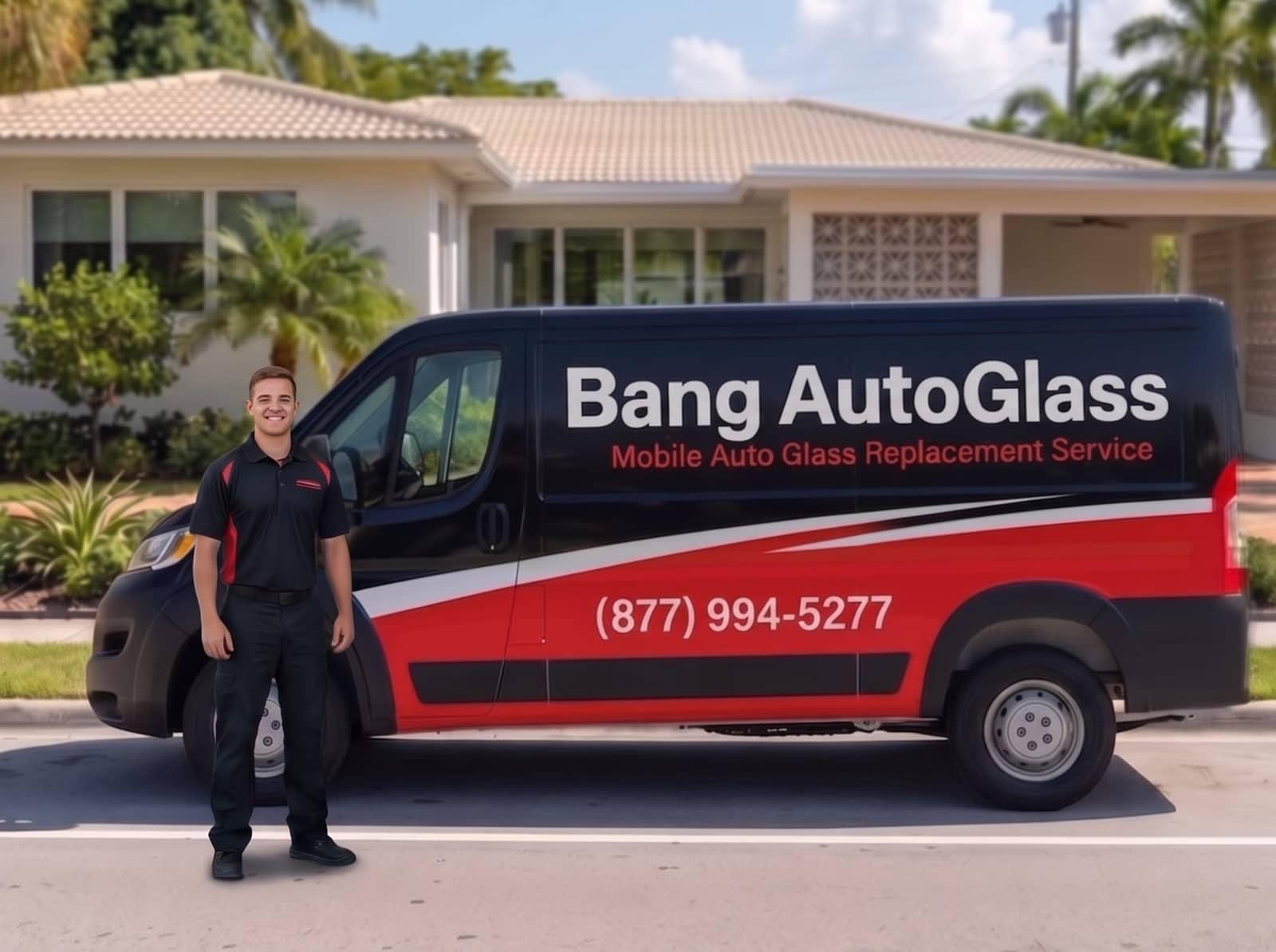
Bang AutoGlass replaces Acura quarter glass on MDX, RDX, and TLX with OEM-fit tempered safety glass set in fresh urethane for a watertight, factory-matched bond. Mobile service across Arizona and Florida includes careful trim removal, precise refit, and a lifetime workmanship warranty.
Acura Quarter Glass Replacement: Mobile Service Done Right
When the quarter glass on your Acura cracks, shatters, or pops out of its seal, it's more than a cosmetic problem. That small but important window protects your interior from the elements, contributes to the structural feel of the cabin, and plays a real role in the look and resale value of your vehicle. At Bang AutoGlass, we specialize in fast, professional Acura quarter glass replacement performed right at your home, office, or job site. With next-day appointments, OEM-quality materials, and a lifetime workmanship warranty on every installation, we make getting your Acura back to factory-correct condition simple, affordable, and stress-free.
What Is Quarter Glass on an Acura?
Quarter glass, sometimes called a valance window or quarter light, is the fixed (and occasionally vented) pane of glass located behind the rear doors of your Acura, between the rear door frame and the rear windshield, or in some models near the C-pillar or D-pillar. Even though it doesn't roll down, it's an essential piece of your vehicle's body and weather sealing.
Where Quarter Glass Sits on Your Acura
On Acura sedans like the TLX, ILX, and the older TL or TSX, the quarter glass typically sits just behind the rear passenger doors, framed by the C-pillar. On Acura SUVs and crossovers like the MDX, RDX, and ZDX, you'll find quarter glass farther back near the cargo area, sometimes wrapping toward the tailgate. The Acura Integra uses a stylized quarter glass that helps define its signature liftback profile.
Why Quarter Glass Is More Than Decorative
Most people assume quarter glass is purely cosmetic, but it actually contributes to overall body rigidity, blocks wind and water from intruding into the cabin, and helps eliminate dangerous blind spots when changing lanes or backing up. A damaged or improperly installed quarter glass can lead to wind noise, water leaks, interior mildew, and even electrical problems if moisture reaches nearby wiring harnesses.
Common Reasons Acura Quarter Glass Needs Replacement
Acura quarter windows are tough, but they aren't indestructible. Over the years, we've seen virtually every cause of damage you can imagine at Bang AutoGlass, and most fall into a handful of categories.
Road Debris and Flying Objects
Highway driving exposes the rear quarter glass to rocks, gravel, and roadway debris kicked up by trucks and other vehicles. Because quarter glass is typically tempered, it can't be repaired the way a laminated windshield can. Once it cracks, it will usually shatter into thousands of small pieces and require full replacement.
Vandalism and Break-Ins
Thieves often target rear quarter windows because they're smaller, more isolated from alarm sensors, and farther from the driver's seat than door windows. A broken quarter glass after a break-in needs to be replaced quickly to secure your interior, prevent water damage, and protect any remaining valuables.
Spontaneous Shattering on Certain Acura Models
Some Acura RDX owners between roughly 2019 and 2023 reported sudden rear quarter glass and rear window shattering, occasionally triggered by something as simple as closing a passenger door. This has been a documented concern across owner forums and consumer reporting, and Acura has updated glass suppliers in newer model years. If your RDX experiences this issue, we can replace it quickly and assist you in starting an insurance or warranty claim if needed.
Temperature Stress and Body Flex
Extreme heat, sudden cold snaps, and even body flex from a slammed door or rough road can trigger stress cracks in tempered Acura quarter glass. These breaks often appear without any visible impact, leaving owners surprised and frustrated. They're real, they're more common than people think, and they're absolutely repairable with a proper replacement.
Acura Models We Service for Quarter Glass Replacement
We replace quarter glass on every Acura model on the road today, and we stock or rapidly source OEM-quality glass for both new and discontinued models.
Acura MDX Quarter Glass Replacement
The Acura MDX features a tall, wraparound rear quarter window that's bonded to the body for a flush appearance. Replacement on the MDX requires careful trim removal to avoid scratching the painted pillars or damaging the rear privacy tint match.
Acura RDX Quarter Glass Replacement
The RDX's sleek rear quarter glass is one of the most replaced pieces of auto glass on the Acura lineup, especially on the third-generation 2019-and-newer body style. We have extensive experience with this exact part and the trim, clips, and adhesives needed to install it correctly the first time.
Acura TLX Quarter Glass Replacement
The TLX uses a small fixed quarter glass behind the rear doors. Although it's a smaller piece, proper alignment with the door frame and weatherstrip is critical to prevent wind noise on the highway. We dial it in precisely.
Acura ILX, TL, TSX, and Legacy Model Quarter Glass Replacement
For older Acura sedans like the ILX, TL, TSX, RL, and CL, we still source high-quality quarter glass that matches factory tint shade and dimensions. Even if your dealership says the part is back-ordered, we can usually locate it through our supplier network.
Acura ZDX and Integra Quarter Glass Replacement
The all-electric ZDX and the redesigned Integra both use modern, stylized quarter glass that requires precise installation to maintain their sharp body lines. Our technicians are trained on the newest Acura platforms and the latest adhesives required for safe, lasting bonding.
The Acura Quarter Glass Replacement Process at Bang AutoGlass
We follow a consistent, factory-style replacement process to make sure every Acura we touch leaves looking and feeling like new. Most appointments take just 30 to 45 minutes from start to finish, followed by a one-hour adhesive cure time before you're cleared to drive.
Step 1: Inspection and VIN Verification
When our mobile technician arrives, we start by verifying your Acura's VIN, trim level, and model year. This guarantees we install the correct quarter glass with the right tint, mounting points, and any sensor pass-throughs.
Step 2: Sourcing OEM-Quality Glass
We use OEM-quality glass that matches your factory pane in thickness, curvature, tint, and clarity. This means perfect fit, matched tint shade, and the same optical performance as the original window.
Step 3: Safe Removal of the Damaged Glass
Our technician carefully removes any remaining glass fragments, peels back trim, and cuts the original urethane adhesive bead. We protect your paint, weather stripping, and interior trim throughout the process.
Step 4: Surface Prep and New Glass Installation
The pinch weld and bonding surface are cleaned, primed, and prepared with automotive-grade urethane. The new quarter glass is then placed precisely into position and seated for an airtight, watertight seal.
Step 5: Cure Time and Final Quality Check
After installation, the adhesive needs about one hour to cure to a safe drive-away strength. During this time, our technician performs a final inspection, reinstalls trim and weather stripping, cleans the glass, and walks you through aftercare.
Why the 1-Hour Cure Time Matters
Driving too soon after a glass replacement can compromise the urethane bond, which directly affects how well the glass holds in place during normal driving and especially in the event of a collision. Our one-hour cure window protects you, your passengers, and your investment.
OEM-Quality vs. Dealership OEM Glass for Your Acura
A common question we hear is whether OEM-quality glass is just as good as glass purchased directly from the Acura dealer. The short answer is yes, when it's sourced and installed correctly.
Matching Factory Specifications
Our OEM-quality Acura quarter glass is built to the same dimensional, optical, and safety standards as the original glass that came on your vehicle. It uses the same tempered glass formulation, the same privacy tint shades (light, medium, or dark depending on trim), and the same bonding surfaces.
Significant Cost Savings
OEM-quality glass typically costs significantly less than dealership glass while delivering identical real-world performance. For most Acura owners, the savings can be substantial depending on the model, glass type, and trim level.
Backed by Our Lifetime Warranty
Because we stand behind our installations with a lifetime workmanship warranty, you get long-term peace of mind without paying premium dealership pricing.
Mobile Acura Quarter Glass Replacement Near You
One of the biggest advantages of choosing Bang AutoGlass is that you don't have to drive a damaged Acura anywhere. We come to you.
How Our Mobile Service Works
You book your appointment by phone or through our website. We confirm your Acura's year, model, trim, and the specific quarter glass that needs replacement. Our mobile technician then drives to your home, workplace, apartment complex, or even a parking lot, completes the replacement on-site in 30 to 45 minutes, and lets the adhesive cure for one hour before you drive.
Next-Day Appointments
We offer next-day appointments for most Acura quarter glass replacements, so you're never waiting weeks for service like you might at a dealer or large national chain. In emergency situations, we'll often work to get you scheduled even sooner.
What We Bring to Every Mobile Job
Here's what our mobile technician arrives with on every Acura quarter glass replacement appointment:
- OEM-quality Acura quarter glass matched to your VIN, trim, and tint shade
- Professional-grade automotive urethane adhesive and primer
- Specialty trim removal tools to protect paint and interior panels
- Cold knife or wire-cut tools for clean original adhesive removal
- Glass cleaner, microfiber towels, and finishing kits to leave your Acura spotless
How Long Does Acura Quarter Glass Replacement Take?
Most Acura quarter glass replacements at Bang AutoGlass take 30 to 45 minutes of hands-on installation work. After installation, the urethane adhesive needs approximately one hour to cure before the vehicle is safe to drive. From start to finish, expect to set aside about two hours total, although you don't need to wait next to the car during the cure time.
Why the Cure Time Is Non-Negotiable
The adhesive that bonds your new Acura quarter glass to the body needs time to chemically cross-link and develop full holding strength. Skipping or shortening cure time can lead to wind noise, water leaks, or in rare cases the glass shifting out of position. Our standard is your safety, so we never cut corners.
Acura Quarter Glass Replacement Cost
Pricing for Acura quarter glass replacement varies based on your specific model, the type of glass installed, and your local market. We always provide a clear, all-inclusive quote up front with no surprise fees at the end.
Factors That Affect Your Final Price
Quarter glass pricing on an Acura is influenced by the year and model, the tint shade and any solar coatings, whether the part is vented or fixed, the rarity of the glass on the secondary market, and any nearby sensors or wiring that require careful handling during installation. SUVs like the MDX and RDX often cost slightly more than sedans because their quarter glass panels are larger and more contoured.
Using Insurance to Cover Your Replacement
Quarter glass damage is typically covered under the comprehensive portion of your auto insurance policy. In many cases, your deductible may apply, but in some states glass replacement is covered with no deductible. We help you with the insurance claim from start to finish and make the process as smooth as possible.
Out-of-Pocket Customers Welcome
If you'd rather skip insurance entirely or simply don't carry comprehensive coverage, we offer competitive cash pricing on every Acura quarter glass replacement we perform.
Lifetime Workmanship Warranty on Every Acura Replacement
Every Acura quarter glass replacement we perform is backed by a lifetime workmanship warranty. That means as long as you own the vehicle, we'll cover any installation-related issues like leaks, wind noise from improper sealing, or trim that wasn't reseated correctly. This warranty isn't a marketing gimmick. It's a reflection of how confident we are in our technicians and our process.
Caring for Your New Acura Quarter Glass
Once your new quarter glass is installed, a few simple aftercare habits will help the adhesive cure properly and keep your glass looking great for years.
The First 24 Hours
For the first 24 hours after installation, avoid slamming doors (the pressure spike inside the cabin can stress freshly bonded glass), keep at least one window cracked slightly when possible, and try not to run your car through a high-pressure car wash. Light rain and normal driving are completely fine after the one-hour cure window.
Long-Term Maintenance Tips
Use only automotive-safe glass cleaners on tinted Acura quarter glass to avoid streaks or coating damage. Inspect the weather stripping every few months for cracks or dryness, and address them early. If you ever notice a faint water trail inside the trim after heavy rain, give us a call. Under our lifetime workmanship warranty, we'll inspect and resolve any installation-related issue at no charge to you.
Schedule Your Acura Quarter Glass Replacement Today
If your Acura's quarter glass is cracked, shattered, or leaking, don't wait. Driving with damaged auto glass can lead to interior water damage, theft, and even larger structural issues over time. At Bang AutoGlass, we make scheduling fast and easy with next-day appointments, mobile service that comes to you, OEM-quality glass, and a lifetime workmanship warranty backing every job. Fill out the form above or give us a call to lock in your Acura quarter glass replacement, and let our team get your vehicle back to factory-fresh condition in about two hours total, including the one-hour cure time.
Acura Quarter Glass Replacement — common questions
What is Acura quarter glass replacement?
Quarter glass is the small fixed window panel behind the door on your Acura. Replacement involves removing the damaged tempered glass and bonding a new OEM-quality panel in place. The entire replacement takes about 30-45 minutes, then time for the adhesive to set — about an hour is typical, and your technician confirms the exact safe drive-away time.
Can a cracked Acura quarter glass be repaired?
Quarter glass cannot be repaired; it must be fully replaced. Because it's tempered glass, even small cracks compromise its safety and cannot be sealed or patched. We replace it with OEM-quality glass backed by a lifetime workmanship warranty.
Does comprehensive insurance cover Acura quarter glass replacement?
Yes, quarter glass damage from events like hail, debris, or collision is typically covered by comprehensive insurance. We help you start your claim, and with comprehensive coverage you often pay nothing out of pocket. Cost depends on your vehicle, glass type, and deductible.
Is mobile quarter glass replacement as good as shop work?
Yes, our fully-equipped technicians perform the complete replacement at your location with the same OEM-quality materials and workmanship as a traditional shop. Every replacement is backed by a lifetime workmanship warranty.
Will my Acura's power windows or door handles be affected?
No. Quarter glass is fixed in place and separate from your power window and door lock systems. Replacement does not affect those functions.
Is OEM-quality glass safe on newer Acuras with driver assist features?
Yes. None of the typical Acura quarter glass positions affect ADAS cameras or sensors, which are mounted near the windshield. You get factory-equivalent fit and safety with no calibration concerns.
Do you service every Acura model?
Yes. From the Integra and ILX to the MDX, RDX, TLX, ZDX, RL, TL, TSX, and CL, our mobile technicians can handle quarter glass replacement on every Acura make and model.
Where we do Acura auto glass
Bang AutoGlass is a mobile auto glass company serving Arizona and Florida. We don't have a shop you drive to — we come to your home, your job, or wherever the car is sitting, with next-day appointments in most areas. In Arizona that means the whole Valley — Phoenix, Mesa, Scottsdale, Chandler, Gilbert, Tempe, Glendale and out to Tucson and Prescott. In Florida we cover Tampa Bay, Orlando and Miami, from St. Petersburg and Clearwater across to Kissimmee, Winter Park and Fort Lauderdale.
Browse every city we serve in Arizona and Florida, or read how coverage works under Arizona's glass statutes and Florida's § 627.7288.
Mobile auto glass — cities we serve
4.8★ on Google · 350+ reviews from AZ & FL drivers
“I needed my windshield replaced and they made the entire process easy. Bang AutoGlass is the best!”
“Top-notch auto glass service. They handled my windshield replacement quickly and professionally.”
“Bang AutoGlass made my windshield replacement simple from start to finish.”
Need Acura Quarter Glass Replacement?
We come to you across Arizona and Florida — often $0 with insurance.
We reply within minutes during business hours.