Mini Windshield Replacement
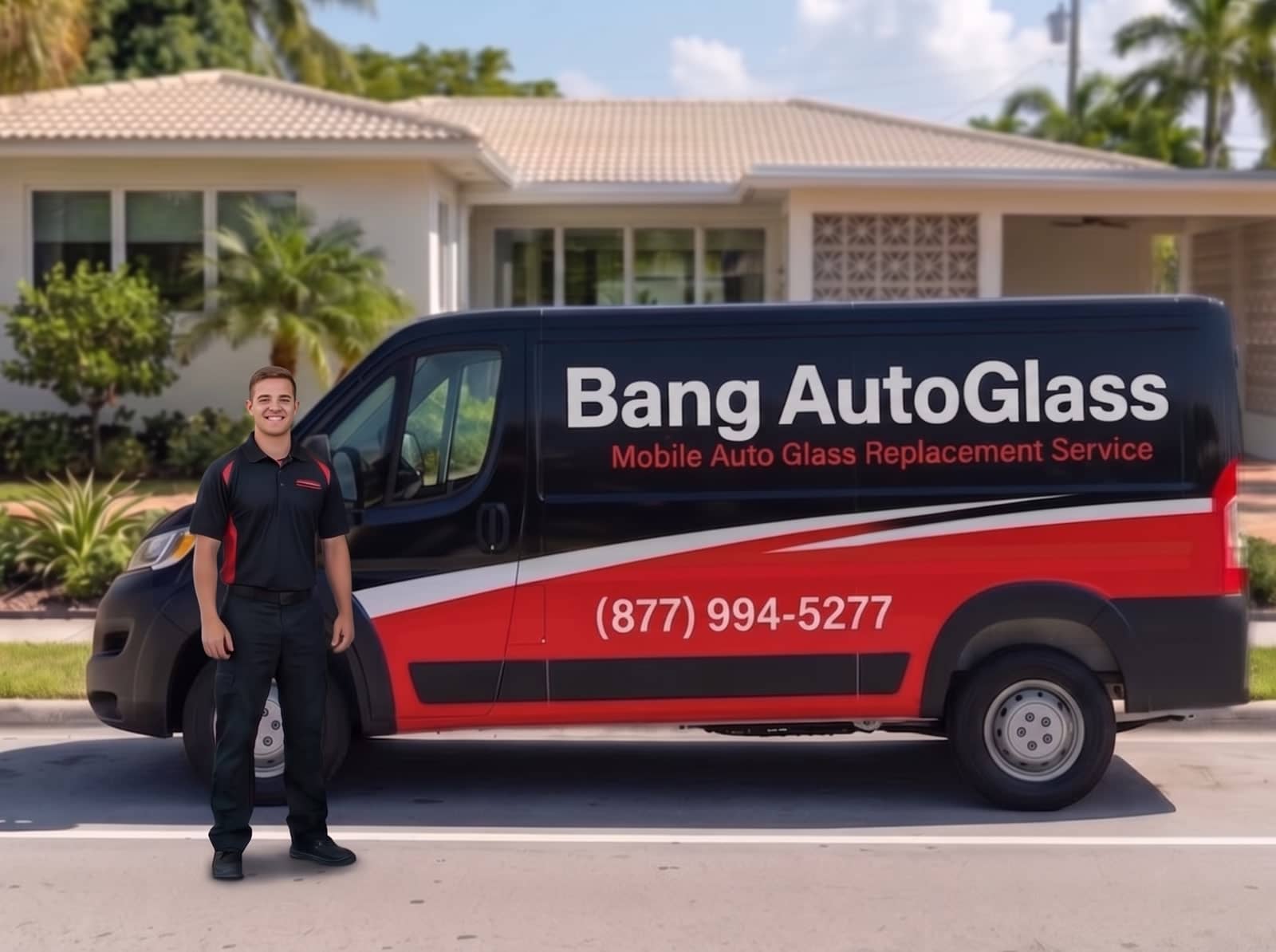
Bang AutoGlass installs Mini windshields on Cooper Hardtop, Convertible, Clubman, Countryman, and Mini Electric with OEM-spec laminated glass supporting Mini Driving Assistant camera, rain sensor, and HUD. Mobile service in Arizona and Florida includes ADAS recalibration and lifetime warranty.
Mini Windshield Replacement: Expert Auto Glass Service for Every Cooper Model
When your Mini Cooper's windshield is damaged, you need a replacement that respects the precision engineering that makes these British icons so distinctive. Mini windshield replacement isn't a one-size-fits-all job. The compact dimensions, curved A-pillars, and increasingly sophisticated driver assistance systems built into modern Coopers demand a specialized approach. Bang AutoGlass delivers professional Mini windshield replacement services with OEM-quality glass, mobile convenience, and the technical expertise these vehicles require to perform and look exactly as BMW's engineering team intended.
Why Mini Windshields Require Specialized Replacement Expertise
A Mini Cooper windshield is far more than a pane of glass. From the original BMW-era R50 platform launched in 2001 to today's electric F56 Cooper SE, every generation has integrated the windshield as a structural component that contributes to chassis rigidity, occupant safety, and the unmistakable Mini driving experience. Replacing it correctly takes training, the right tools, and a careful eye for the small details that separate a quality install from a costly mistake.
The Unique Engineering of Mini Cooper Glass
Mini windshields are typically more upright than those on comparable hatchbacks, with tightly curved edges that wrap into the A-pillars. This geometry creates the Cooper's signature panoramic forward view, but it also means the urethane adhesive bead must be applied evenly around a complex perimeter. Many Mini models also include acoustic interlayers that dampen road and wind noise, solar coatings that reduce cabin heat, and frit bands with patterns specifically tied to each generation. Using glass that doesn't match these specifications can change how your cabin sounds, how the climate control performs, and how the windshield interacts with overhead sensors.
Mini Cooper Models We Service
Bang AutoGlass replaces windshields on the full Mini Cooper lineup, and we tailor each job to the specific platform we're working with.
Mini Cooper Hardtop (R50, R53, R56, F56)
The two-door and four-door hardtops are the most common Mini windshields we replace. Earlier R50 and R53 models often have simpler glass without sensor brackets, while F56 generation hardtops frequently include rain sensors, lane departure cameras, and humidity sensors that must be transferred carefully.
Mini Cooper Convertible
Convertibles like the R52, R57, and F57 demand extra attention because the chassis relies on the windshield frame for rigidity. The roll-over protection system sits just behind the frame, so a proper bond is critical for occupant safety in the unlikely event of a rollover.
Mini Countryman
The Countryman uses a larger, more steeply raked windshield than the hardtop, and many F60 generation Countryman models include forward collision sensors, automatic high beams, and head-up display systems that require precise sensor placement after replacement.
Mini Clubman
The Clubman's longer wheelbase pairs with a windshield that incorporates many of the same ADAS features as the Countryman. The F54 platform in particular often includes acoustic glass and rain-sensing wipers that need careful handling.
Mini Cooper SE (Electric)
The all-electric Mini Cooper SE includes additional sensors for energy management and pedestrian warning systems. Replacement glass for the SE often needs to support the specific camera mount used for its driver assistance suite.
Mini Paceman and Coupe Variants
Lower-production Minis like the Paceman R61 and Coupe R58 use unique windshield shapes that aren't always stocked locally. Bang AutoGlass works with trusted suppliers to source these glasses quickly so even rarer Mini variants get back on the road without long waits.
Signs Your Mini Cooper Needs a Windshield Replacement
Not every chip or crack means an immediate replacement, but several types of damage move your Mini from "repairable" to "replacement required." Knowing the difference helps you act before a small problem becomes a structural concern.
Chip and Crack Size
Chips larger than a quarter and cracks longer than three inches typically require windshield replacement rather than repair. Mini Cooper windshields are smaller than those on full-size vehicles, which means damage takes up a larger percentage of your field of view and is harder to disguise with a repair resin.
Spreading Cracks
Temperature swings, hitting potholes on Mini's famously firm suspension, and even slamming the door can cause an existing crack to run. Once a crack reaches the edge of the glass or branches into multiple legs, the structural integrity is compromised and replacement is the only safe option.
Damage in the Driver's Line of Sight
Mini Cooper drivers sit relatively close to the windshield, so any chip or crack directly in front of the steering wheel can distort vision more than it would in a larger vehicle. Even small damage in this zone usually warrants replacement to maintain a clear, undistorted view.
Edge Damage and Frit Cracks
Damage near the black ceramic frit band along the edge of the glass is particularly serious on a Mini because that area bonds the windshield to the body. A crack in the frit zone can weaken the urethane bond and reduce the windshield's contribution to crash safety.
The Mini Windshield Replacement Process
A professional Mini windshield replacement follows a defined sequence designed to protect your vehicle, the new glass, and the driver assistance technology connected to it.
Mobile Service That Comes to Your Driveway
Bang AutoGlass is a fully mobile auto glass service, so your Mini Cooper windshield replacement happens wherever your car is parked. Driveway, office lot, apartment complex, or jobsite. Most Mini windshield replacements take 30 to 45 minutes from start to finish, after which we ask you to leave the vehicle parked for one additional hour to let the urethane adhesive cure to safe drive-away strength.
Removing the Damaged Windshield
The original windshield is cut out using cold knife or fiber line tools that protect the surrounding paint and dashboard. The cowl panel, wipers, A-pillar trim, and rearview mirror are removed carefully so each piece can be reinstalled exactly as Mini built it. Any sensor brackets bonded to the inside of the glass are documented for transfer.
Installing OEM-Quality Replacement Glass
After the pinch weld is cleaned and primed, a fresh bead of high-modulus urethane is applied around the perimeter. The new windshield is set into place using suction cup setters that align the glass to factory tolerances. Sensor brackets, rain sensors, and forward-facing camera mounts are transferred and seated, and trim is reinstalled in the reverse order of removal.
Cure Time and Safe Drive-Away
Modern urethanes used in Mini Cooper windshield installation reach safe drive-away strength in roughly one hour under typical conditions. During that window, your Mini should stay parked with at least one window cracked slightly to prevent cabin pressure from disturbing the fresh bond.
ADAS Calibration for Modern Mini Coopers
If your Mini Cooper was built from roughly 2014 onward, there's a strong chance it relies on a forward-facing camera mounted at the top of the windshield. Replacing the glass moves that camera even by a fraction of a millimeter, which means the system needs to be recalibrated to keep working safely.
Why Calibration Is Required
The camera behind your Mini's windshield interprets road markings, vehicles ahead, and traffic signs. After windshield replacement, the camera's angle of view changes slightly relative to the road. Without calibration, lane departure warnings can trigger late, automatic emergency braking can misjudge distances, and adaptive cruise systems can read traffic incorrectly.
Systems That May Need Recalibration
Depending on the trim and model year of your Mini, recalibration may apply to forward collision warning, autonomous emergency braking, lane departure warning, adaptive cruise control, automatic high-beam assist, and head-up display alignment on Countryman and Clubman models that offer the feature.
Mini Windshield Features We Match
When sourcing your replacement glass, we make sure the new windshield matches the features your Mini originally rolled out of Plant Oxford with. Common factory features we account for include:
- Acoustic interlayer for reduced cabin noise on Cooper S and JCW trims
- Rain sensor brackets for automatic wiper systems
- Humidity sensors that work with the climate control
- Forward-facing ADAS camera mounts for lane keeping and collision avoidance
- Heated wiper park areas on cold-weather packages
- Solar and infrared coatings that reduce cabin heat soak
- Head-up display compatibility on equipped Countryman and Clubman models
- VIN window cutouts in the lower passenger corner
- Frit band patterns matched to your specific Mini generation
OEM-Quality Glass for Mini Cooper Vehicles
Bang AutoGlass installs OEM-quality glass on every Mini windshield replacement we perform. That means the laminated glass, frit pattern, sensor mounting, optical clarity, and acoustic properties are engineered to match what your Mini left the factory with. You get the same noise reduction, the same heat rejection, and the same compatibility with Mini's onboard systems without paying a premium for dealer-only glass.
Insurance Claims Assistance for Mini Owners
A Mini Cooper windshield claim can feel intimidating, especially if it's your first time dealing with auto glass coverage. Bang AutoGlass walks alongside you through the process so you don't have to figure it out alone.
How We Help You File
We help you with the insurance claim from start to finish and make the process as smooth as possible. That includes the date and approximate cause of the damage, a clear description of where the chip or crack is located, your VIN, and the specific Mini model and trim. We can also explain what to expect on the call so you walk into the conversation with confidence.
What Your Auto Policy May Cover
If you carry comprehensive coverage, Mini windshield replacement is often covered with little or no deductible depending on your state and policy. Some states have full glass coverage that waives the deductible entirely, while others apply your standard comprehensive deductible. Your insurance agent is the best source for what your specific policy covers, and we'll happily provide written estimates or documentation to support your claim.
Cost of Mini Windshield Replacement
Mini windshield replacement pricing varies based on the specific generation, the features built into the original glass, and whether ADAS calibration is required. A base R56 Cooper hardtop with no sensors will cost significantly less than an F60 Countryman with a forward collision camera, rain sensor, and head-up display.
Factors That Affect Pricing
The biggest pricing factors are the model and year of your Mini, whether the original glass includes acoustic or solar coatings, the presence of rain sensors and ADAS camera mounts, and whether your driver assistance systems require recalibration after the install. Bang AutoGlass provides upfront pricing before any work begins, so you'll know what your Mini windshield replacement will cost before we lift a tool.
Why Bang AutoGlass Is the Right Choice for Your Mini
Choosing the right shop for your Mini Cooper windshield replacement matters because the work directly affects safety, technology, and the value of your vehicle. Bang AutoGlass brings several advantages that make us the natural choice for Mini owners.
Mobile Service That Comes to You
Mini owners are busy people, and a trip to a brick-and-mortar shop usually means sitting in a waiting room when you could be doing something better. Bang AutoGlass replaces your Mini windshield wherever you are. Our mobile technicians arrive with everything needed to complete the install on site.
Next-Day Appointments
We know windshield damage doesn't wait for a convenient time. Bang AutoGlass offers next-day appointments for Mini windshield replacement so you can get back to driving your Cooper without losing a week to scheduling delays.
Lifetime Workmanship Warranty
Every Mini windshield replacement we perform is backed by a lifetime workmanship warranty. If any issue ever traces back to how we installed your glass, whether it's a leak, a wind noise complaint, or a trim issue, we'll come back and make it right at no cost to you.
OEM-Quality Materials on Every Install
Bang AutoGlass uses OEM-quality glass, urethane adhesives, and trim clips on every Mini windshield replacement. You get factory-grade fit, finish, and performance without paying dealer pricing.
Caring for Your New Mini Windshield
A little care during the first day after installation will protect the bond and keep your new Mini Cooper windshield performing exactly as it should for years to come.
- Leave your vehicle parked for at least one hour after installation to let the urethane reach safe drive-away strength.
- Keep one window cracked slightly during the first 24 hours to prevent cabin pressure from disturbing the bond.
- Avoid automatic car washes for the first 48 hours so the high-pressure jets don't push against the fresh seal.
- Leave the retention tape in place for the first day so the molding stays seated while the adhesive sets.
- Avoid slamming doors during the first 24 hours to prevent pressure spikes inside the cabin.
- Wait at least 24 hours before driving on rough roads or aggressive cornering that could flex the body around the new bond.
Schedule Your Mini Windshield Replacement Today
When your Mini Cooper needs a windshield replacement, you deserve a service that treats your car like the engineering achievement it is. Bang AutoGlass brings expert mobile service, OEM-quality glass, next-day availability, and a lifetime workmanship warranty to every Mini we work on, whether it's an original R53 Cooper S, a brand new F56, a Countryman SUV, or a long-roofed Clubman. Reach out today to schedule your Mini windshield replacement and we'll have your Cooper looking, sounding, and driving exactly the way it was meant to.
Frequently asked questions
How long does a Mini windshield replacement take?
The replacement itself takes about 30-45 minutes to complete. After installation, the adhesive needs roughly 1 hour to set before you can drive safely, so plan for about 1.5-2 hours total at your location.
Does my Mini windshield replacement come with a warranty?
Yes, every replacement is backed by a lifetime workmanship warranty. We use OEM-quality glass and materials to ensure your replacement meets original equipment standards and performs as designed.
Will my insurance cover a Mini windshield replacement?
Most comprehensive insurance policies cover windshield replacement. In Florida, windshield coverage is deductible-free with comprehensive insurance, so you pay nothing out of pocket. We can help you file your claim if needed.
What happens if my Mini has a safety camera?
Most newer Minis have a front-camera safety system. After windshield replacement, the camera needs recalibration, which adds about 15-30 minutes to the appointment. This keeps features like lane-keeping and automatic braking working accurately.
4.8★ on Google · 350+reviews from AZ & FL drivers
“I needed my windshield replaced and they made the entire process easy. Bang AutoGlass is the best!”
“Top-notch auto glass service. They handled my windshield replacement quickly and professionally.”
“Bang AutoGlass made my windshield replacement simple from start to finish.”
Need Mini Windshield Replacement?
We come to you across Arizona and Florida — often $0 with insurance.
We reply within minutes during business hours.