Acura Sunroof Glass Replacement
Bang AutoGlass replaces Acura sunroof and moonroof glass on MDX, RDX, and TLX using OEM-spec panels, fresh weather seals, and full drainage-tube inspection. Mobile service across Arizona and Florida includes proper alignment, leak testing, and a lifetime workmanship warranty.
Acura Sunroof Glass Replacement
A cracked, chipped, or shattered sunroof is one of the most stressful glass issues an Acura owner can face. Unlike a small windshield chip you can ignore for a day or two, sunroof damage exposes the entire cabin to rain, debris, theft, and falling glass shards. Whether you drive a sleek Acura TLX sedan, a family-ready MDX, an athletic RDX crossover, or a flagship ZDX, our Acura sunroof glass replacement service restores your panoramic view, your weather protection, and your peace of mind, all without you ever having to leave home or work. We come to you with a fully stocked mobile service vehicle, OEM-quality glass matched to your exact Acura trim, and the trained technicians required to remove, reseal, and reinstall sunroof assemblies the right way the first time.
Why Acura Sunroof Glass Replacement Requires Specialized Expertise
Acura engineers some of the most refined sunroof and moonroof systems in the luxury segment, and that engineering precision is exactly why Acura sunroof glass replacement should never be handled by a general handyman or a shop that mostly does windshields. The seals, tracks, drainage channels, and motorized assemblies in modern Acura vehicles are built to extremely tight tolerances, and any deviation during a replacement can introduce wind noise, water leaks, rattles, or premature failure of the sunroof motor.
Understanding Acura's Sunroof Engineering Across the Model Lineup
Acura has used several distinct sunroof designs over the years, ranging from the traditional one-touch power moonroof found on older ILX and TL sedans to the expansive dual-pane panoramic moonroofs found on the current MDX, ZDX, and ADX. Each design requires its own removal sequence, its own specific adhesive product, and its own glass profile. Using the wrong glass curvature, the wrong adhesive bead width, or the wrong torque on the mounting hardware can cause everything from minor wind whistles at highway speed to full-on water intrusion the next time it rains.
Standard Sunroof vs. Panoramic Moonroof Systems
A traditional Acura sunroof is a single piece of tempered glass that slides or tilts over the front-row seats, while a panoramic moonroof extends nearly the entire length of the roof and is often made up of two separate glass panels with a fixed rear section and a movable front section. The MDX panoramic moonroof, for example, requires careful handling of both panels and their independent seals during replacement. Our technicians are trained on every Acura sunroof generation, which means we can replace the glass quickly, correctly, and without surprises.
Common Causes of Acura Sunroof Glass Damage
Acura owners are usually shocked when their sunroof breaks because, more often than not, there's no obvious impact. Understanding why this happens helps you decide how to file a claim and how to avoid a repeat.
Road Debris and Highway Impact
The most common cause of Acura sunroof glass damage we see in the field is debris kicked up by other vehicles on the highway. Gravel, small rocks, fallen cargo, and even ice flying off the roof of a semi-truck can crack a sunroof in an instant. Because sunroof glass is angled almost horizontally, it acts as a target for anything launched into the air ahead of you.
Thermal Stress and Spontaneous Shattering
One of the most frustrating causes is what's often called a "spontaneous shatter." Sunroof glass is made of tempered safety glass, which is designed to break into small rounded pebbles instead of dangerous shards. The downside of tempering is that any micro-flaw in the glass, combined with extreme temperature swings, can cause the glass to suddenly explode without warning. This is especially common in summer when the cabin heats up rapidly while the exterior glass surface remains cooler, or in winter when the glass is cold and a sudden burst of cabin heat hits it. The curvature of panoramic moonroofs adds additional stress, which is why models like the MDX, RDX, and ZDX are particularly prone to thermal shatter events.
Weather Events and Environmental Hazards
Hail is another major culprit, and because sunroof glass faces the sky directly, it absorbs the full impact of falling hailstones. Falling tree branches, vandalism, attempted break-ins, and even bird strikes during high-speed driving can all crack or shatter your Acura's sunroof glass. In nearly every one of these cases, the damage is covered under your auto insurance comprehensive policy, which we'll get into in more detail below.
Acura Models We Service for Sunroof Glass Replacement
Our mobile auto glass team replaces sunroof and moonroof glass on every Acura model that came factory-equipped with one. Every job is matched to the specific year, trim, and sunroof configuration of your vehicle, because Acura has made meaningful design changes between generations of the same model.
Acura MDX Sunroof Glass Replacement
The Acura MDX is the most popular Acura we service for sunroof replacement, largely because the third and fourth generation MDX models came with a large panoramic moonroof that is highly exposed to debris and thermal stress. We replace front sliding panels, fixed rear panels, and full panoramic assemblies on MDX models, and we always source OEM-quality glass that matches the original tint, curvature, and frit pattern of your factory unit.
Acura RDX Sunroof Glass Replacement
The Acura RDX panoramic moonroof has been a known weak point on third-generation models from the 2019 model year forward. Owners report cracking, shattering, and motor failures, often within the first few years of ownership. Our RDX sunroof glass replacement service restores the factory look and seal, and our technicians are familiar with the specific torque specs and adhesive bead profile required to prevent the squeaks and creaks that plague poorly repaired RDX moonroofs.
Acura TLX Sunroof Glass Replacement
The Acura TLX sedan uses a traditional single-pane power moonroof on most trims and a larger sunroof opening on Type S and A-Spec models. Because the TLX is a performance-oriented sedan, road debris and gravel are the leading causes of damage we encounter. Replacement is typically faster on the TLX than on the panoramic SUV models, and you can usually be back on the road in under an hour.
Acura ILX, TL, ZDX, ADX, and Integra Sunroof Glass Replacement
We also service older and newer Acura models including the ILX, TL, TSX, ZDX, ADX, and the reborn Integra. Each of these has its own sunroof configuration, and we keep the right glass available for every generation. If your Acura came from the factory with a sunroof, we can replace it.
OEM-Quality Sunroof Glass for Your Acura
Every Acura sunroof glass replacement we perform uses OEM-quality glass, meaning glass that meets or exceeds the original equipment manufacturer's specifications for thickness, curvature, tint, solar coating, and tempering. This matters because cheap, off-brand sunroof glass often has incorrect curvature that causes wind noise, mismatched tint that looks obviously wrong from the outside, or thinner tempering that fails again under thermal stress.
Why Glass Quality Matters in Sunroof Replacement
The sunroof on your Acura is engineered to support a significant portion of the roof's structural rigidity, especially on panoramic models where the glass essentially replaces a steel roof panel. Using low-quality glass not only looks wrong, it can compromise the safety of the vehicle in a rollover scenario. Our OEM-quality glass is engineered to the same safety standards as the original Acura glass that left the factory, which means you keep the full strength, fit, and finish of your vehicle.
Tempered Glass Standards and Safety
Acura sunroof glass is fully tempered, meaning it has been heat-treated to four to five times the strength of standard annealed glass. In the rare event that tempered glass does break, it crumbles into small, relatively safe granules instead of long jagged shards. Every sunroof glass panel we install meets these federal motor vehicle safety standards, and every replacement comes with documentation of the materials used.
Our Acura Sunroof Glass Replacement Process
We've refined our mobile sunroof replacement workflow to minimize disruption to your day while delivering a professional, factory-grade result. Most Acura sunroof glass replacements are completed in 30 to 45 minutes, followed by a one-hour adhesive cure time before the vehicle can be driven.
Step-by-Step Replacement Procedure
Here's exactly what to expect when our mobile technician arrives at your home or workplace:
- The technician inspects the existing damage, confirms the glass and seal kit on hand match your specific Acura model and year, and lays down protective covering over the headliner, seats, and interior trim.
- Any loose or shattered glass is carefully vacuumed out of the sunroof tray, drainage channels, and cabin to prevent future debris from clogging the drain tubes.
- The damaged glass panel is unbolted or released from the sunroof frame following the factory removal sequence, and the bonding surface is cleaned and prepped.
- A new bead of automotive-grade urethane adhesive is applied where required, and the OEM-quality replacement glass is set into position, aligned, and secured.
- The technician tests the sunroof motor operation, performs a water-tightness check, and confirms that the headliner, sunshade, and switches all function as designed before final cleanup.
Why Mobile Service is the Smart Choice for Acura Owners
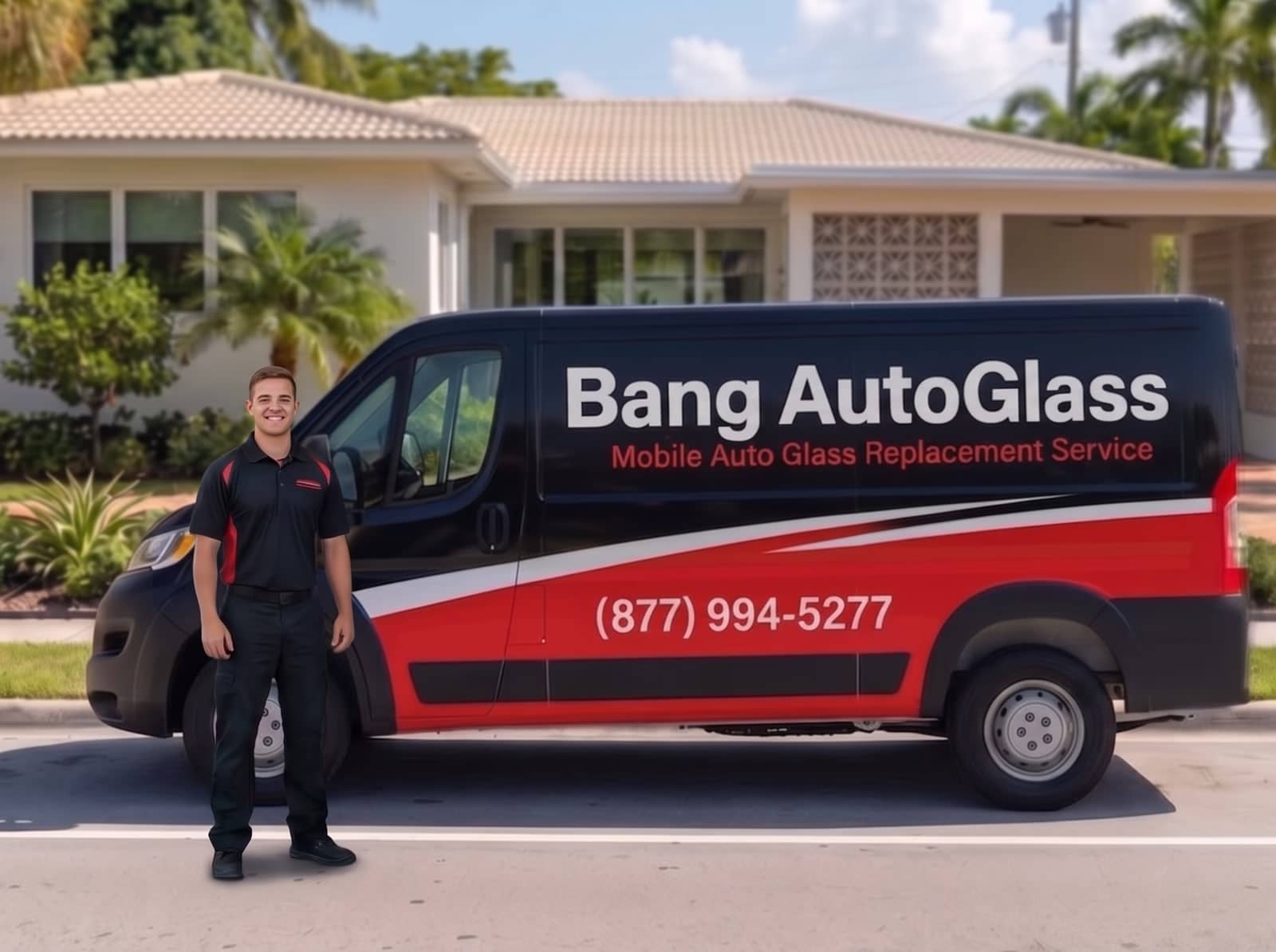
We are a fully mobile auto glass service, which means we bring the entire job to you. There's no need to drop your Acura off at a shop, no need to arrange a ride, and no need to take a half-day off work. We can perform Acura sunroof glass replacement in your driveway, your office parking lot, or anywhere else with safe, level access to your vehicle. The typical appointment takes 30 to 45 minutes of active work plus one hour for the adhesive to fully cure, and during that cure window you're free to keep working, relaxing, or running quick errands on foot.
Pricing, Insurance, and Claim Assistance
Sunroof glass replacement is almost always covered under the comprehensive portion of your auto insurance policy, and most Acura owners we work with pay only their comprehensive deductible out of pocket.
Filing an Insurance Claim for Sunroof Damage
If your Acura sunroof was damaged by a rock, debris, hail, vandalism, a tree branch, or a spontaneous shatter, your comprehensive coverage typically applies. Some Acura owners carry a separate full glass coverage rider that waives the deductible entirely for glass-related claims, in which case the replacement may cost you nothing; without that rider, your standard comprehensive deductible applies, since Florida's waiver under Fla. Stat. 627.7288 covers windshield replacement only. Either way, we recommend reviewing your declarations page or calling your insurance agent before scheduling your appointment so you know exactly what to expect.
Helping You Navigate Comprehensive Coverage
If you haven't already filed your claim, our team is happy to walk you through the process and provide assistance in making the claim. We help you with the insurance claim from start to finish and make the process as smooth as possible. For customers paying out of pocket, we'll provide a transparent quote upfront with no hidden fees.
What to Expect After Your Acura Sunroof Replacement
Once the new glass is set and the adhesive has cured for one hour, your Acura is ready to drive normally. There are still a few small steps you can take in the first 24 to 48 hours to make sure the seal sets perfectly and you get the longest possible service life out of the new glass.
Initial 24-Hour Care Recommendations
For the best long-term results, please follow these simple aftercare tips during the first day after your replacement:
- Avoid running your Acura through an automatic car wash or pressure-washing the roof for at least 24 hours so the urethane adhesive can fully set.
- Keep the sunroof closed for the first 24 hours so the seals can compress evenly into their final position.
- Leave any retention tape in place for the full recommended time if your technician applies it, as it holds the glass perfectly aligned while the adhesive cures.
- Don't slam doors with the windows fully up for the first day, since the cabin pressure spike can stress a freshly bonded sunroof.
- Inspect the sunroof drains during the next rain to confirm water flows away properly, and let us know immediately if you see any pooling.
Lifetime Workmanship Warranty
Every Acura sunroof glass replacement we perform comes with a lifetime workmanship warranty. That means if anything related to our installation, including the seal, the adhesive bond, the alignment, or the function of the sunroof, ever fails as a result of how we installed the glass, we'll come back out and make it right at no cost to you. The warranty stays with the vehicle for as long as you own it, which is one of the strongest guarantees in the mobile auto glass industry.
Why Choose Us for Your Acura Sunroof Glass Replacement
Acura owners choose us because we deliver dealership-level quality with the convenience and pricing of a true mobile service.
Next-Day Appointments and Fast Turnaround
We know that a damaged sunroof is an urgent problem. Rain, theft risk, and the very real chance of glass continuing to shatter mean you can't afford to wait a week. We offer next-day appointments for Acura sunroof glass replacement in nearly every case, and our typical job takes only 30 to 45 minutes of work plus a one-hour cure window before you can drive again.
Local Mobile Service You Can Trust
When you book your Acura sunroof glass replacement with us, you're working with technicians who specialize in mobile auto glass every day. We handle MDX panoramic moonroofs, RDX shatter repairs, TLX power moonroof replacements, and every other Acura sunroof configuration on the road. Pair that experience with OEM-quality materials, transparent pricing, comprehensive claim assistance, and a lifetime workmanship warranty, and you have every reason to trust your Acura to our team.
Schedule Your Acura Sunroof Glass Replacement Today
Don't let a cracked or shattered sunroof leave your Acura exposed to the elements any longer than it has to be. Use the contact form above to request your next-day appointment, share your Acura's year, model, and VIN, and we'll confirm your replacement time, your OEM-quality glass match, and any insurance details so you can get back to enjoying the open-air drive your Acura was built for.
Acura Sunroof Glass Replacement — common questions
What does Acura sunroof glass replacement involve?
We remove and replace your damaged Acura sunroof panel with OEM-quality glass backed by a lifetime workmanship warranty. The bonded panel is securely sealed and typically takes about 30–45 minutes to complete, with time for the adhesive to set — about an hour is typical, and your technician confirms the exact safe drive-away time.
Can Bang AutoGlass replace my Acura sunroof at my home?
Yes, we're a mobile-only service — our fully-equipped technicians come to your home, workplace, or roadside to do the complete sunroof replacement on-site with the same quality as a shop.
Does comprehensive insurance cover Acura sunroof glass damage?
Comprehensive insurance typically covers sudden sunroof damage from hail, debris, or accidents, but not wear-and-tear issues like leaks or seal degradation. We'll help you file or start your claim to determine coverage.
How long before I can drive after sunroof replacement?
Once the bonded sunroof panel is installed, it needs about 1 hour for the adhesive to set fully before you can safely drive. We'll let you know when it's ready.
Where we do Acura auto glass
Bang AutoGlass is a mobile auto glass company serving Arizona and Florida. We don't have a shop you drive to — we come to your home, your job, or wherever the car is sitting, with next-day appointments in most areas. In Arizona that means the whole Valley — Phoenix, Mesa, Scottsdale, Chandler, Gilbert, Tempe, Glendale and out to Tucson and Prescott. In Florida we cover Tampa Bay, Orlando and Miami, from St. Petersburg and Clearwater across to Kissimmee, Winter Park and Fort Lauderdale.
Browse every city we serve in Arizona and Florida, or read how coverage works under Arizona's glass statutes and Florida's § 627.7288.
Mobile auto glass — cities we serve
4.8★ on Google · 350+ reviews from AZ & FL drivers
“I needed my windshield replaced and they made the entire process easy. Bang AutoGlass is the best!”
“Top-notch auto glass service. They handled my windshield replacement quickly and professionally.”
“Bang AutoGlass made my windshield replacement simple from start to finish.”
Need Acura Sunroof Glass Replacement?
We come to you across Arizona and Florida — often $0 with insurance.
We reply within minutes during business hours.