Hyundai Quarter Glass Replacement
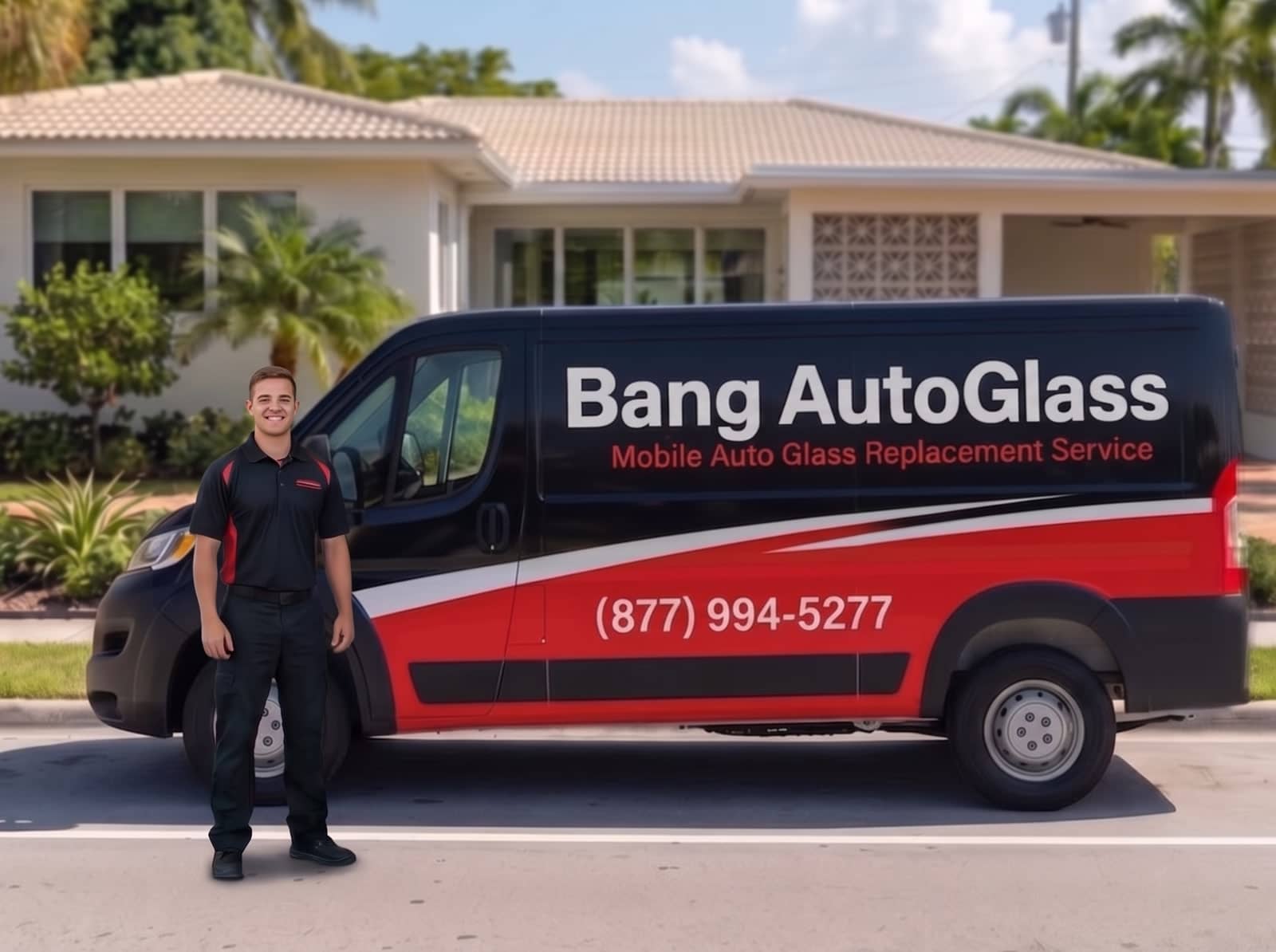
Bang AutoGlass replaces Hyundai quarter glass on Palisade, Santa Fe, Tucson, and Sonata with OEM-fit tempered safety glass set in fresh urethane for a watertight, factory-matched seal. Mobile service in Arizona and Florida includes precise trim handling, exact alignment, and lifetime warranty.
Hyundai Quarter Glass Replacement
When the small but essential pane of glass tucked behind the rear door of your Hyundai cracks, shatters, or gets knocked out, finding the right replacement provider matters more than most drivers realize. Hyundai quarter glass replacement is not the same job as swapping out a side door window or a windshield. The fit has to be precise, the urethane bond has to be flawless, and the technician has to know how each Hyundai model is built — because Hyundai has used several different quarter glass designs across its lineup, from the Accent and Elantra to the Sonata, Tucson, Santa Fe, Palisade, Veloster, Venue, and Kona. At Bang AutoGlass, we specialize in Hyundai quarter glass replacement done right the first time, performed at your home, your office, or wherever your Hyundai happens to be parked, using OEM-quality glass that matches the original spec of your vehicle.
What Is Quarter Glass on a Hyundai?
Quarter glass refers to the small fixed or operable window panel that sits in the body of your Hyundai outside the main door windows. Most often it lives just behind the rear door, between the rear door frame and the C-pillar or D-pillar, though some Hyundai models also place a small forward quarter window near the side mirror or A-pillar. The window gets its name because it is roughly one-quarter the size of a standard side window. While it is smaller than a windshield or door pane, it plays a real role in your visibility, your cabin lighting, your blind-spot coverage, and the structural finish of your vehicle's roofline.
Location of Hyundai Quarter Glass
On most Hyundai models, the quarter glass is positioned right where the roofline begins to slope down toward the rear deck. On sedans like the Sonata, Elantra, and Accent, the quarter glass usually sits flush against the C-pillar. On SUVs and crossovers like the Tucson, Santa Fe, Palisade, Venue, and Kona, you will often see one or two small panels — one between the rear door and the D-pillar, and sometimes a smaller wedge-shaped pane forward of the side mirror. Hatchbacks like the Veloster and the Elantra GT have particularly distinctive quarter glass designs that wrap into the rear styling of the car.
Fixed vs. Movable Hyundai Quarter Glass
Most Hyundai quarter glass panels are fixed, meaning the glass is permanently bonded to the body using automotive-grade urethane adhesive and sealed with a precision-cut trim. Fixed quarter glass cannot be rolled down because it is structural in nature and serves more as a visibility and design element than a ventilation element. A smaller number of Hyundai vehicles, particularly some older Accent and Excel trims, have featured movable rear vent-style quarter glass that pivots or pops outward for airflow. Replacing a fixed panel requires a completely different process than replacing a movable, hinged, or motorized one, and our technicians are trained to handle both.
Common Causes of Hyundai Quarter Glass Damage
Quarter glass usually does not break the way a windshield does. Where windshields tend to crack from rock chips and stress fractures, quarter glass tends to shatter completely because it is tempered rather than laminated. Understanding what caused your Hyundai quarter glass damage can help you make a smart insurance decision and make sure the underlying issue does not happen again.
Break-Ins and Theft Attempts
By far the most common reason we replace Hyundai quarter glass in the field is break-ins. Thieves often target the smaller, less obvious side windows because they are cheaper for them to break and less likely to immediately trigger an interior alarm sensor. Hyundai owners with parked vehicles in urban lots, apartment complexes, or unattended driveways are most likely to experience this kind of damage. The good news is that quarter glass break-ins are typically a clean, contained break — the tempered glass crumbles into small chunks rather than slicing into the cabin.
Road Debris and Flying Objects
A flying rock from a passing truck, a stray golf ball, gravel kicked up on a highway shoulder, or even a tree branch falling on a parked car can crack or shatter quarter glass. Because the glass is tempered, even a small impact at the right angle can take the entire panel out in one piece.
Weather-Related Damage
Hailstorms, falling tree limbs during high winds, and extreme temperature shifts can all stress and break Hyundai quarter glass. Hyundai owners in regions that see seasonal hail are particularly likely to deal with this type of damage, especially on SUVs like the Tucson, Santa Fe, and Palisade, which carry more glass real estate along the rear pillars.
Accidents and Collisions
Even a minor side-impact accident or a parking-lot fender bender can crack or knock out a quarter glass panel without damaging the surrounding sheet metal. The quarter glass area is structurally less reinforced than the door frame, so the glass often takes the hit first while the painted body trim remains intact.
Hyundai Models We Service for Quarter Glass Replacement
We replace quarter glass on virtually every Hyundai on the road today. Our technicians source OEM-quality quarter glass for the full Hyundai lineup, including current and prior model years.
Hyundai Sedans
We handle Hyundai Elantra quarter glass replacement, Hyundai Sonata quarter glass replacement, and Hyundai Accent quarter glass replacement across all major generations. Sedans typically have a single fixed quarter glass panel set into the C-pillar, and each generation has its own subtle differences in the urethane channel and trim design. Older Sonata and Elantra models tend to use a slightly thicker urethane bead, while the most recent Elantra has a sleeker, tighter fit that requires careful trim handling so the surrounding plastics are not stressed during install.
Hyundai SUVs and Crossovers
The Hyundai Tucson, Santa Fe, Santa Fe Sport, Palisade, Kona, and Venue all use quarter glass in their rear pillar area, and many also use a forward vent-style quarter glass near the side mirror or A-pillar. The 2022 through 2026 Tucson uses an updated quarter glass design with a unique OEM part number compared to its Kia Sportage platform sibling, so it is important that the right glass is sourced for your specific year and trim. We replace Hyundai Tucson quarter glass, Hyundai Santa Fe quarter glass, Hyundai Palisade quarter glass, Hyundai Kona quarter glass, and Hyundai Venue quarter glass regularly, and our technicians are familiar with the body trim differences between trims like SE, SEL, Limited, N Line, and Calligraphy.
Hyundai Hatchbacks, Coupes, and Electric Vehicles
The Hyundai Veloster, Elantra GT, Elantra Touring, and Ioniq lineup use some of the most distinctive quarter glass designs in the Hyundai family. Veloster quarter glass in particular wraps into the rear hatch area and uses a curved profile that must be replaced with a precisely matched OEM-quality panel. The Ioniq 5 and Ioniq 6 EVs also have small quarter glass elements that are part of their aerodynamic profile, and we service those models as well.
Our Hyundai Quarter Glass Replacement Process
Our technicians follow a careful, methodical process for every Hyundai quarter glass replacement we perform. While most jobs take only 30 to 45 minutes from setup to final placement, that short window is only possible because of how much preparation and training goes into the work itself.
- Inspection and confirmation. When we arrive at your Hyundai, we confirm the exact year, model, trim, and quarter glass position to be sure the OEM-quality glass we brought matches your vehicle.
- Cleanup of the damaged area. We carefully remove any remaining broken glass from the body channel, the interior of the vehicle, the door sill, the rear seat, and the trunk or cargo area.
- Trim and adhesive removal. We remove any retaining clips, moldings, and the original urethane bed without damaging the surrounding paint or body trim.
- Surface preparation. The bonding area is cleaned, primed, and prepared with automotive-grade products that ensure a permanent, leak-free seal.
- Urethane application and glass setting. We apply a fresh, OEM-spec urethane bead and carefully set the new quarter glass into position, aligning it perfectly with the surrounding body lines.
- Trim, molding, and clip reinstallation. Any clips, weather seals, and trim pieces are reinstalled or replaced as needed.
- Final inspection and cure-time briefing. Before we leave, we walk you through the cure-time guidelines so you know exactly when your vehicle is ready to drive.
Cure Time and Why It Matters
The replacement itself usually takes between 30 and 45 minutes. After we set the glass, the automotive urethane bond needs approximately one hour to cure before the vehicle is safe to drive. That cure time is not optional — it is what gives the glass its long-term strength, watertight seal, and structural integrity. We will not rush this step, and we ask our customers to give the bond the time it needs so the warranty stays intact and the seal stays perfect for the life of the vehicle.
OEM-Quality Materials for Your Hyundai
Every Hyundai quarter glass replacement we perform uses OEM-quality glass that meets or exceeds the original specifications set by Hyundai for your vehicle. That means the tempering, the tint shade, the curvature, the thickness, and the mounting profile all match what your Hyundai left the factory with.
Why OEM-Quality Matters for Quarter Glass
Quarter glass is more than a window — it is part of the body's overall design and weather seal. If the glass does not match factory spec, you can end up with wind noise, water intrusion, fitment gaps, or a panel that looks slightly off compared to the rest of the vehicle. Using OEM-quality glass means the panel sits flush, the tint matches the surrounding privacy glass, and the urethane channel mates perfectly with the body.
The Bonding and Sealing Process
The urethane adhesive we use is the same class of high-strength automotive urethane that Hyundai relies on at the assembly line. It bonds chemically with both the glass and the painted metal channel, creating a watertight, vibration-resistant connection that is rated to last the life of the vehicle. Combined with proper primer and surface prep, this bond is what gives your replacement quarter glass its strength and longevity.
Mobile Hyundai Quarter Glass Replacement
Bang AutoGlass is a fully mobile auto glass service, meaning we come to you. There is no need to drive a Hyundai with a broken quarter window across town to a glass shop, exposing the interior to rain, theft, or further glass debris in the upholstery.
How Our Mobile Service Works
When you book your Hyundai quarter glass replacement appointment with us, we confirm the year, model, trim, and exact panel location, then schedule a next-day appointment at your home, workplace, apartment complex, or any safe location where the vehicle is parked. Our mobile technicians arrive with the correct OEM-quality glass, urethane, primer, clips, trim, and tools to complete the job in a single visit. All we ask is access to the vehicle and a small amount of working space around the affected side of the car.
Next-Day Appointments
We understand that a broken quarter glass on your Hyundai is not something that can wait a week. That is why we offer next-day mobile appointments for nearly every Hyundai quarter glass replacement we schedule. Get in touch in the morning, and your Hyundai is often back to fully sealed and watertight by the next afternoon.
Lifetime Workmanship Warranty
Every Hyundai quarter glass replacement we perform is backed by a lifetime workmanship warranty. That means as long as you own the vehicle, our work is guaranteed against leaks, wind noise caused by installation, and bond failures. If you ever experience an issue tied to the installation, we will come back and make it right at no additional cost. Our warranty reflects the confidence we have in our technicians, our materials, and our process — and it is one of the strongest commitments offered anywhere in the mobile auto glass space.
Insurance Claims for Hyundai Quarter Glass Replacement
If your Hyundai quarter glass damage is the result of a break-in, vandalism, road debris, weather, or an accident, it is very likely covered by the comprehensive portion of your auto insurance policy. Comprehensive claims for glass damage almost always fall outside of your collision deductible and may be subject to a separate, lower glass deductible depending on your insurer and your state.
How We Assist With Your Claim
We help you with the insurance claim from start to finish and make the process as smooth as possible. We will walk you through the information your insurance company will need, including the type and location of the damage, the year, make, model, and VIN of your Hyundai, and a brief description of how the damage occurred. We can provide our shop information, our pricing, and any documentation your insurer requests to support the claim. Once your claim is approved and the assignment is sent our way, we handle the rest.
Comprehensive Coverage and Deductibles
Many Hyundai owners are surprised to learn that comprehensive coverage often pays for glass damage with little or no out-of-pocket cost. Depending on your policy, your deductible may be waived entirely for glass-only claims or reduced significantly. We recommend calling your insurer before paying out of pocket so you have a clear picture of your coverage. If a comprehensive claim does not make sense for your situation, our direct cash pricing on Hyundai quarter glass replacement remains highly competitive.
Why Choose Bang AutoGlass for Your Hyundai
Choosing the right Hyundai quarter glass replacement provider is about more than price — it is about whether the seal will hold, whether the panel will look right, and whether anyone will be there to back the work if something goes wrong years from now.
Trained Technicians Familiar With the Hyundai Lineup
Our technicians work on Hyundais constantly. From Accent to Palisade, from Veloster to Ioniq, we know the trim clip layouts, the urethane channel quirks, and the body-line tolerances of each model. That familiarity translates into a cleaner install, a tighter seal, and a faster turnaround on every appointment.
Speed, Convenience, and Quality
A 30 to 45 minute install, a one-hour cure time, next-day appointments, mobile service that comes to you, OEM-quality glass, and a lifetime workmanship warranty — that combination is hard to beat, and it is exactly what we deliver on every Hyundai quarter glass replacement we book.
After Your Quarter Glass Replacement — Care Tips
Once your new Hyundai quarter glass has been installed and cured, the panel is ready to perform exactly like the original. A few simple habits will help keep it that way:
- Avoid running your Hyundai through an automated car wash for the first 24 hours after replacement to allow the urethane to fully strengthen.
- Leave any retention tape we apply in place for at least 24 hours, even if it looks unnecessary — it helps hold the panel in perfect alignment as the bond finishes setting.
- Keep windows cracked slightly for the first day to avoid building cabin pressure that could stress the new seal.
- Clean the new quarter glass with a non-ammonia automotive glass cleaner to preserve any factory tint and finish.
- If you notice any whistling, water leakage, or trim shifting after install, reach out to us right away so we can address it under your lifetime workmanship warranty.
Schedule Your Hyundai Quarter Glass Replacement Today
A broken quarter glass on your Hyundai is more than an inconvenience — it is an open invitation to weather, theft, and further interior damage. The fastest, easiest way to put it back together is to schedule a mobile Hyundai quarter glass replacement with Bang AutoGlass. We will confirm your year, model, and trim, source the correct OEM-quality glass, and come to wherever you are with everything we need to finish the job in about an hour from setup to drive-away. Get in touch today using the form above or by calling the number listed in the hero section of this page, and we will get a next-day appointment on the calendar so your Hyundai can be back to fully sealed, fully watertight, and fully back to itself.
Hyundai Quarter Glass Replacement — common questions
What is quarter glass and can it be repaired?
Quarter glass is the small fixed window panel behind the rear passenger doors on each side of your Hyundai. It cannot be repaired and must be fully replaced with OEM-quality glass backed by our lifetime workmanship warranty.
How long does Hyundai quarter glass replacement take?
The replacement itself takes about 30-45 minutes to complete. The adhesive then needs time to set — about an hour is typical, and your technician confirms the exact safe drive-away time. Plan for a total visit of about 1.5-2 hours.
Does insurance cover Hyundai quarter glass replacement?
Quarter glass damage is typically covered under comprehensive auto insurance if you have that coverage. We'll help you file or start your claim, and many customers pay nothing out of pocket depending on their deductible and policy.
Why choose mobile glass service for my Hyundai?
Our fully-equipped technicians come to your home, work, or roadside and complete the entire replacement with OEM-quality materials and the same quality as a shop, with zero hassle of traveling to a location.
Where we do Hyundai auto glass
Bang AutoGlass is a mobile auto glass company serving Arizona and Florida. We don't have a shop you drive to — we come to your home, your job, or wherever the car is sitting, with next-day appointments in most areas. In Arizona that means the whole Valley — Phoenix, Mesa, Scottsdale, Chandler, Gilbert, Tempe, Glendale and out to Tucson and Prescott. In Florida we cover Tampa Bay, Orlando and Miami, from St. Petersburg and Clearwater across to Kissimmee, Winter Park and Fort Lauderdale.
Browse every city we serve in Arizona and Florida, or read how coverage works under Arizona's glass statutes and Florida's § 627.7288.
Mobile auto glass — cities we serve
4.8★ on Google · 350+ reviews from AZ & FL drivers
“I needed my windshield replaced and they made the entire process easy. Bang AutoGlass is the best!”
“Top-notch auto glass service. They handled my windshield replacement quickly and professionally.”
“Bang AutoGlass made my windshield replacement simple from start to finish.”
Need Hyundai Quarter Glass Replacement?
We come to you across Arizona and Florida — often $0 with insurance.
We reply within minutes during business hours.