Audi Quarter Glass Replacement
Bang AutoGlass replaces Audi quarter glass on Q5, Q7, A6, and A8 with OEM-fit tempered safety glass set in fresh urethane for a watertight, factory-matched seal. Mobile service across Arizona and Florida includes precise trim handling, exact alignment, and a lifetime workmanship warranty.
Audi Quarter Glass Replacement
When it comes to your Audi, every piece of glass matters — including the quarter glass. Whether you drive an A4, Q5, A6, A7, Q7, or any other model in the Audi lineup, a damaged quarter window can compromise the security, comfort, and refined driving experience that makes an Audi an Audi. At Bang AutoGlass, we specialize in Audi quarter glass replacement with a fully mobile service that brings the shop to your driveway, office parking lot, or wherever your vehicle is parked. From start to finish, we handle the entire process with precision, OEM-quality materials, and the kind of attention to detail your Audi deserves.
What Is Quarter Glass on an Audi?
Quarter glass, sometimes called a quarter window or quarter light, refers to the small piece of fixed or operable glass typically located between the rear door and the C-pillar on sedans, or near the cargo area on SUVs and hatchbacks. On many Audi vehicles, this glass is positioned at the trailing edge of the rear passenger area and plays a key role in both visibility and the vehicle's overall aesthetic. While it may look minor compared to a windshield, quarter glass contributes to side visibility, cabin insulation, and the iconic Audi silhouette.
Location and Function on Different Audi Models
On Audi sedans like the A4, A6, and A8, the quarter glass is usually a triangular or trapezoidal piece of bonded glass located behind the rear door. On Audi SUVs such as the Q3, Q5, Q7, and Q8, the quarter glass tends to sit between the rear passenger door and the tailgate, often integrating with the privacy tint that gives the rear cabin its sleek, upscale look. On coupes like the Audi A5 Sportback and TT, the quarter glass can be even larger and more visually prominent due to the unique side profile of those models. Each Audi platform has slightly different quarter glass shapes, mounting points, and trim integrations, which is why model-specific knowledge matters when it comes time to replace one.
Types of Audi Quarter Glass
Audi quarter glass typically falls into one of three categories. Fixed bonded quarter glass is the most common, where the window is permanently adhered to the body using a urethane sealant. Encapsulated quarter glass features a rubber or plastic molding bonded directly to the glass during manufacturing for a tight, factory-style fit. Some Audi models also use acoustic laminated quarter glass, which includes a sound-dampening interlayer to reduce road and wind noise inside the cabin — a hallmark of Audi's commitment to a quiet, premium ride. Knowing which type your Audi uses is critical to sourcing the right replacement.
Common Reasons for Audi Quarter Glass Replacement
Audi quarter glass can sustain damage in a variety of ways, and unfortunately, the small size of these panels often makes them prime targets for both accidental damage and intentional break-ins.
Break-Ins and Smash-and-Grab Theft
One of the most common reasons Audi owners need quarter glass replacement is theft. Because quarter windows are small, fixed, and located slightly out of direct view, thieves often break them to gain quick access to a vehicle without drawing as much attention as smashing a larger door window would. If your Audi has been broken into, replacing the quarter glass quickly is essential to restoring security and preventing weather damage to your premium interior.
Road Debris and Highway Impact
Rocks, gravel, and debris kicked up from other vehicles can crack or shatter quarter glass, especially during highway driving. Even a small stone traveling at speed can fracture tempered glass on impact. Construction zones and rural roads are particularly common locations for this kind of damage, and Audi quarter glass — being thinner than the windshield — can be especially vulnerable to a direct hit.
Accidents and Collisions
Even minor fender benders or side-impact collisions can transfer enough force to crack the quarter glass on your Audi. Sometimes the glass survives the initial impact but develops stress fractures that grow over the following days or weeks, eventually requiring full replacement. Pairing your collision repair with prompt glass replacement keeps your Audi structurally sound and visually flawless.
Vandalism and Environmental Damage
Acts of vandalism, falling tree branches, hail storms, and even severe temperature changes can all cause Audi quarter glass to crack or shatter. Owners parking outdoors in extreme climates should pay close attention to any small chips, as they can rapidly progress into full breaks once the temperature swings begin.
Audi Models We Service for Quarter Glass Replacement
Bang AutoGlass replaces quarter glass on virtually every Audi model on the road today. Our technicians are trained on the specific bonding techniques, molding profiles, and trim removal procedures Audi vehicles require, ensuring a clean installation that matches factory specifications.
- Audi A3, A4, A5, A6, A7, and A8 sedans and coupes
- Audi Q3, Q5, Q7, and Q8 SUVs
- Audi e-tron and Q4 e-tron electric models
- Audi S and RS performance variants
- Audi TT, R8, and Allroad models
- Older generation Audi models including the 80, 90, and 100 series
If you don't see your specific Audi model listed above, give us a call — chances are we still service it.
The Audi Quarter Glass Replacement Process
Replacing quarter glass on an Audi is a precision job. Unlike rolling door windows, most Audi quarter windows are bonded to the body with urethane adhesive, meaning the replacement involves carefully removing the old glass without damaging the paint, pinch weld, or surrounding trim. Our technicians follow a strict process designed to deliver factory-grade results every time.
- We begin with a full inspection to confirm the exact glass part number, tint shade, and any features such as antenna lines, heating elements, or acoustic layers.
- Next, we protect the surrounding paint and interior trim with masking and covers to keep your Audi spotless.
- The damaged glass is carefully cut out using specialized wire or cold-knife tools designed to preserve the pinch weld and surrounding bodywork.
- The old urethane bead is trimmed down to the proper height to provide a clean, level bonding surface for the new glass.
- We apply a primer to the pinch weld and the new OEM-quality glass to ensure maximum adhesion.
- A fresh bead of automotive-grade urethane is applied, and the new quarter window is set into place with precision alignment.
- Final detailing includes reinstalling moldings, cleaning the glass inside and out, and walking you through proper after-care instructions.
The entire replacement typically takes 30 to 45 minutes, followed by a 1 hour cure time to allow the urethane adhesive to set fully before the vehicle should be driven.
Mobile Audi Quarter Glass Replacement Service
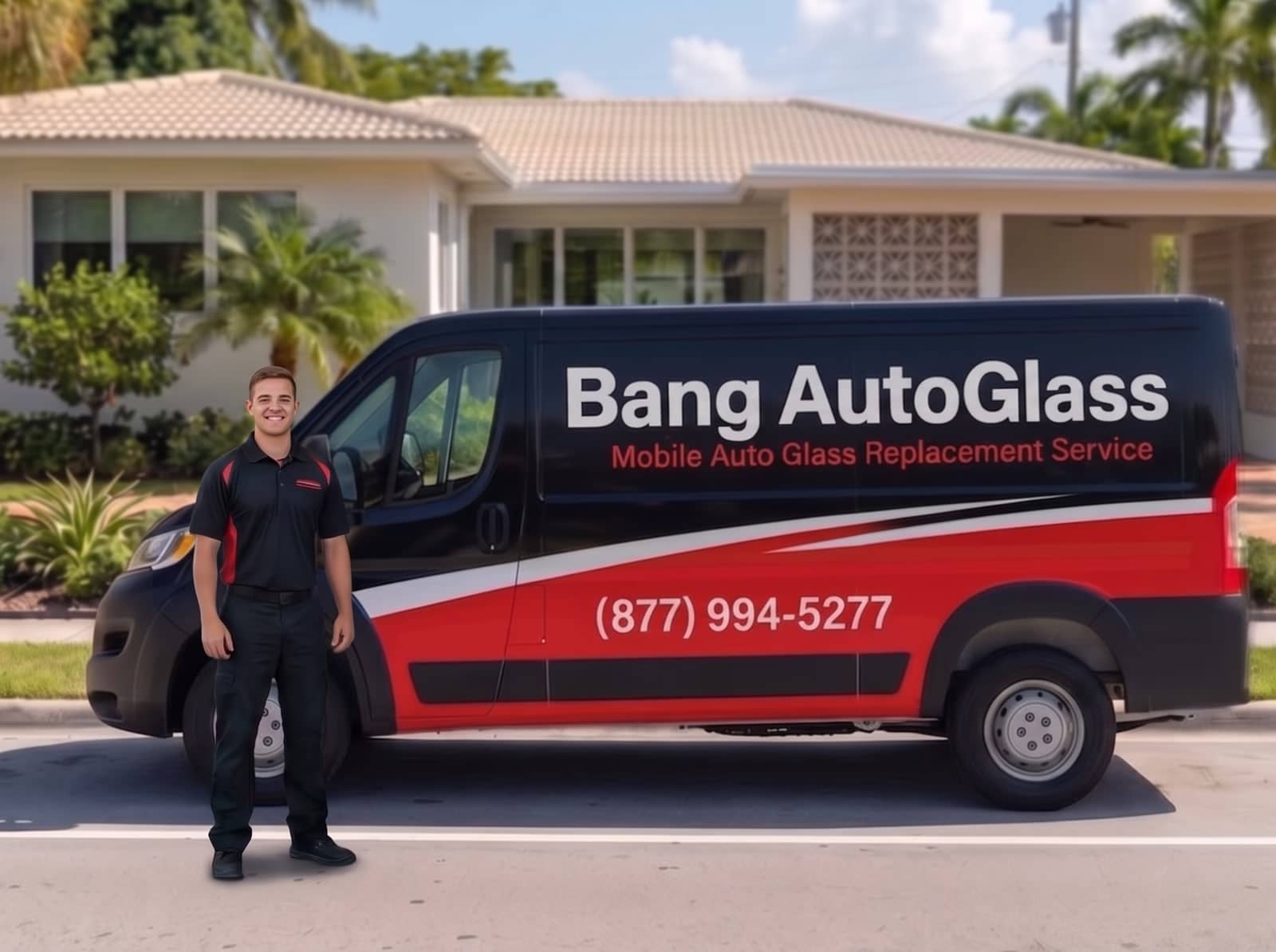
At Bang AutoGlass, we're a fully mobile auto glass company. That means we come to you — at your home, office, gym, or wherever your Audi is parked. There's no need to take time off work, sit in a shop waiting room, or arrange a ride. Our technicians arrive with everything required to complete a full Audi quarter glass replacement on site, including the OEM-quality glass, urethane adhesive, primers, and all specialty tools.
Why Mobile Service Makes Sense for Audi Owners
Audi drivers are often professionals with demanding schedules, and our mobile service is designed to fit seamlessly into your day. As long as we have a relatively level, accessible spot to park alongside your Audi and reasonable weather conditions, we can complete the job in your driveway or office lot. Our trucks are stocked with everything required, and our technicians are equipped to handle every Audi model from the compact A3 to the flagship Q8 SUV without missing a beat.
OEM-Quality Materials for Every Audi
Audi vehicles are engineered with extraordinary attention to detail, and your replacement glass should reflect that same standard. Bang AutoGlass installs OEM-quality glass on every Audi quarter window replacement we perform. Our glass meets or exceeds factory specifications for thickness, optical clarity, tint shade, antenna integration, and acoustic performance where applicable. The urethane adhesive we use is automotive-grade and rated to factory bonding standards, ensuring the new glass stays secure for the life of your Audi. When you choose Bang AutoGlass, you're choosing materials that look, feel, and perform the way Audi intended.
Lifetime Workmanship Warranty
Every Audi quarter glass replacement performed by Bang AutoGlass includes a lifetime workmanship warranty. As long as you own the vehicle, we stand behind the quality of our installation. If you ever experience an issue related to our work — a leak, wind noise, or trim issue — we'll come back out and make it right at no charge. This warranty reflects our confidence in our technicians and our commitment to long-term customer satisfaction. It's our way of telling Audi owners that the job is done right, today and years from now.
Insurance Claims Assistance for Audi Quarter Glass
Audi quarter glass replacement is often covered under comprehensive insurance policies, and many drivers can have the work done with little to no out-of-pocket cost depending on their deductible. We help you with the insurance claim from start to finish and make the process as smooth as possible.
How We Help With Your Insurance Claim
Our team walks you through which insurance providers cover glass replacement, what information you'll need to give them, and how to describe the damage when speaking with your insurer. We can provide the part numbers, damage assessment, and pricing details that your insurance company will request, making the process as smooth as possible. Once your claim is approved, we coordinate directly with the insurance company on the invoicing side so you don't have to chase paperwork.
Working With Major Insurance Carriers
Bang AutoGlass works with all major insurance companies. Whether you're insured through Geico, State Farm, Progressive, Allstate, USAA, Liberty Mutual, Farmers, or any other provider, we'll help you understand your benefits and get your Audi back on the road quickly.
Cost of Audi Quarter Glass Replacement
The cost to replace quarter glass on an Audi varies based on several factors, but our pricing remains competitive while never compromising on quality. Premium German vehicles like Audi often use specialty glass with features that affect pricing, but our OEM-quality replacement options keep costs reasonable compared to dealership pricing.
Factors That Affect Audi Quarter Glass Pricing
Several variables go into the final price of your replacement. The specific Audi model matters, as a quarter glass for an A4 differs significantly from one for a Q7. Whether the glass has features like privacy tint, acoustic laminate, antenna integration, or a heating element will affect cost as well. Trim and molding condition also play a role — if encapsulated moldings need to be replaced, that may be factored in. Finally, location and accessibility of the vehicle can occasionally influence mobile service pricing for outlying areas.
How Long Does Audi Quarter Glass Replacement Take?
The hands-on portion of the replacement typically takes 30 to 45 minutes from start to finish. After installation, the urethane adhesive needs approximately 1 hour to cure properly before the vehicle should be driven. During this 1 hour curing period, the glass should stay undisturbed, doors should be closed gently, and the vehicle should remain parked. From the moment our technician arrives to the moment your Audi is ready to drive, you're typically looking at under two hours total — far faster than scheduling a dealership appointment and dropping your vehicle off for a full day.
Next-Day Appointments Available
We understand that damaged glass is stressful — your Audi is exposed to weather, your interior is at risk, and security is compromised. That's why Bang AutoGlass offers next-day appointments on Audi quarter glass replacement whenever possible. Call us, and in most cases we can have a technician at your location within 24 hours, often sooner. We keep common Audi quarter glass parts readily accessible and can source specialty pieces quickly through our trusted supplier network, so you're never left waiting longer than necessary.
Why Choose Bang AutoGlass for Your Audi
Choosing the right auto glass company for your Audi matters. Improper installation can lead to leaks, wind noise, rust at the pinch weld, and even compromised structural integrity in the event of a future collision. Bang AutoGlass combines specialized Audi expertise with the convenience of mobile service, the assurance of OEM-quality materials, and the peace of mind of a lifetime workmanship warranty. We treat every Audi like our own, and our reputation is built on doing the job right the first time, every time. From the budget-conscious A3 owner to the executive driving an Audi A8 or RS7, we deliver the same uncompromising standard of service.
Caring for Your New Audi Quarter Glass
Once your new quarter glass is installed, a little care during the first day or two helps ensure a perfect bond and long-lasting performance.
The First 24 Hours After Installation
For the first hour after installation, your Audi should remain parked while the urethane adhesive cures. After that, you're free to drive, but try to avoid slamming doors, rolling adjacent windows down quickly, or driving on extremely rough roads during the first 24 hours. Leaving a window slightly cracked can help equalize pressure when closing doors. Avoid automatic car washes for at least 24 to 48 hours to give the adhesive ample time to fully set and bond.
Long-Term Care for Your Audi's Quarter Glass
Beyond the first day, your Audi quarter glass requires no special care. Standard automotive glass cleaner and a microfiber towel will keep it crystal clear. Periodically inspect the surrounding moldings and trim for any signs of wear, and keep an eye out for small chips or cracks that can develop from road debris — addressing damage early often saves money down the road and prevents larger replacements later.
Schedule Your Audi Quarter Glass Replacement Today
If your Audi quarter glass is cracked, shattered, or otherwise compromised, don't wait. Reach out to Bang AutoGlass today to schedule your mobile replacement. Our team will walk you through the entire process, help you with insurance claim assistance if applicable, and have an experienced technician at your location — often as soon as the next day. With OEM-quality materials, a lifetime workmanship warranty, and a fully mobile service that respects your time, we're the trusted choice for Audi owners who refuse to settle for anything less than expert care. Your Audi is built to a premium standard, and we'll make sure your glass is too.
Audi Quarter Glass Replacement — common questions
What is Audi quarter glass and what does replacement involve?
Quarter glass is the small, fixed window panel behind your Audi's rear doors. Replacement involves removing the damaged tempered glass and bonding a new OEM-quality panel in place, then allowing time for the adhesive to set — about an hour is typical, and your technician confirms the exact safe drive-away time.
How long does Audi quarter glass replacement take?
The replacement itself takes about 30-45 minutes to complete. The adhesive then needs time to set — about an hour is typical, and your technician confirms the exact safe drive-away time. Plan for roughly 1.5-2 hours total.
Is Audi quarter glass replacement covered by insurance?
If your Audi has comprehensive coverage, quarter glass damage from collision, hail, or debris is typically covered. We help you file or start your claim, and many drivers pay nothing out of pocket. The cost depends on your vehicle and coverage details.
Does Audi quarter glass replacement come with a warranty?
Yes, every replacement is backed by our lifetime workmanship warranty. We use OEM-quality glass and materials to ensure your Audi's glass meets factory standards.
Where we do Audi auto glass
Bang AutoGlass is a mobile auto glass company serving Arizona and Florida. We don't have a shop you drive to — we come to your home, your job, or wherever the car is sitting, with next-day appointments in most areas. In Arizona that means the whole Valley — Phoenix, Mesa, Scottsdale, Chandler, Gilbert, Tempe, Glendale and out to Tucson and Prescott. In Florida we cover Tampa Bay, Orlando and Miami, from St. Petersburg and Clearwater across to Kissimmee, Winter Park and Fort Lauderdale.
Browse every city we serve in Arizona and Florida, or read how coverage works under Arizona's glass statutes and Florida's § 627.7288.
Mobile auto glass — cities we serve
4.8★ on Google · 350+ reviews from AZ & FL drivers
“I needed my windshield replaced and they made the entire process easy. Bang AutoGlass is the best!”
“Top-notch auto glass service. They handled my windshield replacement quickly and professionally.”
“Bang AutoGlass made my windshield replacement simple from start to finish.”
Need Audi Quarter Glass Replacement?
We come to you across Arizona and Florida — often $0 with insurance.
We reply within minutes during business hours.