Hummer Quarter Glass Replacement
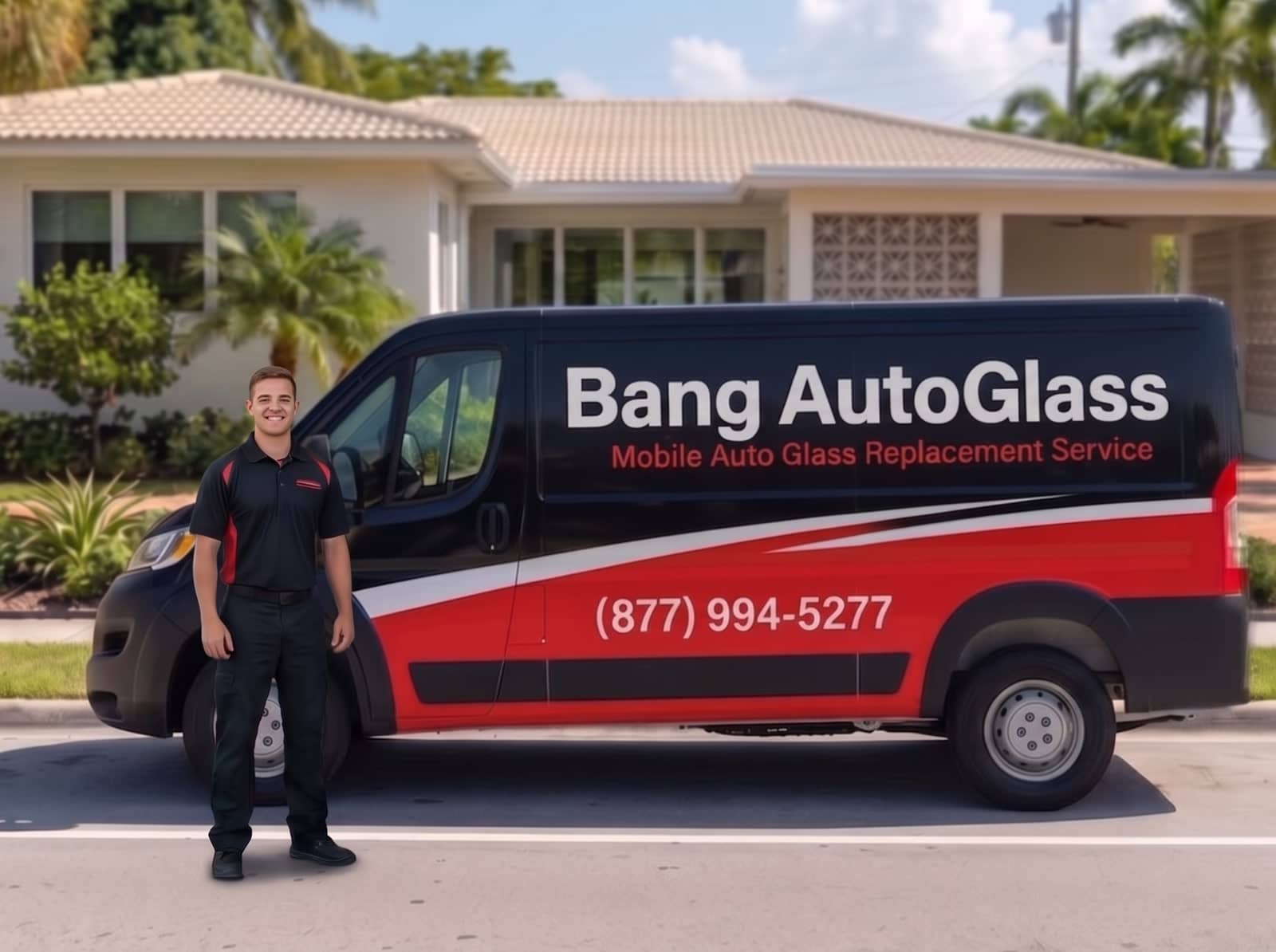
Bang AutoGlass replaces Hummer quarter glass on H2, H3, and Hummer EV SUV with OEM-fit tempered safety glass set in fresh urethane for a watertight, factory-matched seal. Mobile service in Arizona and Florida includes careful trim work, precise alignment, and lifetime workmanship warranty.
Hummer Quarter Glass Replacement
Owning a Hummer means driving a vehicle built for adventure, capability, and presence on the road. Whether you're behind the wheel of a classic H1, a powerful H2, a versatile H3, or the all-new GMC Hummer EV, every piece of glass on your vehicle plays a critical role in safety, visibility, and structural integrity. When a quarter glass panel cracks, shatters, or sustains damage, professional Hummer quarter glass replacement is essential to restoring your vehicle to factory condition. Bang AutoGlass specializes in mobile Hummer quarter glass replacement, delivering OEM-quality materials, expert workmanship, and a lifetime warranty on every installation.
Understanding Quarter Glass on Your Hummer
Before scheduling a Hummer quarter glass replacement, it helps to understand exactly what quarter glass is and how it functions on your specific Hummer model. Quarter glass refers to the smaller fixed or movable windows located on the side of your vehicle, typically positioned behind the rear doors or near the C-pillar and D-pillar. These panels are designed to enhance visibility, increase natural light inside the cabin, and contribute to the structural rigidity of the vehicle. Because Hummers are built on rugged truck and SUV platforms, the quarter glass is engineered to handle vibration, off-road stress, and extreme temperature changes.
What Quarter Glass Is and Why It Matters
Quarter glass on a Hummer is more than just a decorative window. It serves multiple practical purposes including improving driver and passenger sightlines, supporting proper airflow when paired with venting systems, and reinforcing the body of the SUV against twisting forces during off-road use. Most Hummer quarter glass panels are bonded directly to the vehicle frame using automotive-grade urethane adhesive, which creates a watertight, structurally sound seal. Because of this bonded design, Hummer quarter window replacement is a precise job that requires the right tools, materials, and experience.
Quarter Glass Locations Across Hummer Models
Every Hummer model has a unique quarter glass configuration, and understanding the layout of your specific vehicle helps you communicate the issue clearly when scheduling service.
Hummer H1 Quarter Glass
The original Hummer H1, built from 1992 to 2006, features small fixed quarter glass panels positioned along the rear cargo area and on the side body panels. Because the H1 was derived from the military Humvee platform, its glass components are often more difficult to source. Bang AutoGlass works with specialty suppliers to locate the right glass for your H1, whether you have a Wagon, Open Top, or Slantback variant.
Hummer H2 Quarter Glass
The Hummer H2, produced from 2003 through 2009, has prominent fixed quarter glass panels located behind the rear doors on both the SUV and SUT (Sport Utility Truck) variants. These panels are larger and more visible due to the H2's boxy, upright design, which makes them more susceptible to road debris, break-in attempts, and stress cracks. H2 quarter glass replacement is one of the most common Hummer services we perform.
Hummer H3 and H3T Quarter Glass
The Hummer H3 and H3T pickup, built from 2005 to 2010, feature smaller quarter glass panels positioned on the C-pillar of the SUV and behind the rear doors of the H3T. Because the H3 platform is more compact, its quarter glass is often easier to source and slightly less expensive to replace than the H1 or H2 equivalents.
GMC Hummer EV Quarter Glass
The latest GMC Hummer EV, launched in 2022 in both pickup and SUV configurations, includes modern quarter glass with advanced features such as acoustic dampening, UV protection, and tinting from the factory. Replacement on these newer models requires careful handling of the vehicle's electronic systems and high-quality glass that meets OEM specifications.
Common Reasons Hummer Quarter Glass Needs Replacement
Quarter glass on a Hummer can fail for many reasons, and understanding why damage occurs helps you take preventive steps in the future. The most frequent causes of Hummer quarter glass damage include the following:
- Vehicle break-ins and theft attempts that target the smaller, more easily broken side windows
- Road debris and flying rocks kicked up by other vehicles on highways and rural roads
- Off-road adventure hazards including tree branches, brush, and gravel during trail use
- Stress cracks caused by extreme temperature fluctuations and natural settling of the vehicle frame
- Vandalism, accidental impacts from sporting equipment, or low-hanging objects in garages
Vehicle Break-Ins and Theft Attempts
Quarter glass is a common target for thieves because it is smaller and quicker to break than a main side window. Unfortunately, Hummers often attract attention due to their size and perceived value, which means break-ins can happen even in safe areas. When this occurs, prompt Hummer quarter glass replacement is essential to protect the interior of your vehicle and prevent further damage from weather and additional theft attempts.
Road Debris and Off-Road Hazards
Hummers are built for adventure, but driving on highways or off-road trails exposes your quarter glass to flying rocks, branches, and gravel. Even a small impact can create a chip that quickly develops into a full crack, making timely replacement the smart choice. Off-road enthusiasts who take their H2 or H3 onto rugged terrain are especially likely to encounter this kind of damage.
Stress Cracks from Temperature Changes
Extreme temperature swings, particularly between hot summer days and cool nights, can cause existing chips to expand into stress cracks. Hummer quarter glass is especially vulnerable to this because the larger panels experience more thermal expansion and contraction. Once a stress crack appears, replacement is the only safe long-term solution.
Why Choose Professional Hummer Quarter Glass Replacement
Replacing quarter glass on a Hummer is not a job for the average DIY enthusiast. The bonded installation process requires specialized urethane adhesives, glass-setting tools, and detailed knowledge of trim removal and reinstallation. Attempting to replace Hummer quarter glass without the right experience can lead to leaks, wind noise, improper fitment, and even structural compromise of the vehicle body.
Specialty Tools and Training
Professional auto glass technicians use cold knives, wire-cutting systems, and power tools designed specifically for safely cutting urethane and removing bonded glass without damaging the surrounding paint or pinch weld. At Bang AutoGlass, our technicians are trained on Hummer-specific replacement procedures and use the proper equipment for every H1, H2, H3, and Hummer EV job.
OEM-Quality Materials Matter
Every Hummer quarter glass replacement we perform uses OEM-quality materials that meet or exceed factory specifications. This includes the glass itself, the urethane adhesive, the primers, and any clips or moldings that need to be replaced during the installation. Using high-quality materials ensures a long-lasting installation that matches the appearance and performance of the original factory glass.
Our Mobile Hummer Quarter Glass Replacement Service
One of the biggest advantages of choosing Bang AutoGlass is our fully mobile service. We come directly to your home, office, or any other convenient location to perform your Hummer quarter glass replacement, saving you the time and hassle of dropping your vehicle off at a shop.
How Our Mobile Service Works
Scheduling is simple. You contact us with your Hummer's year, model, and trim level along with details about the damaged quarter glass. We confirm the correct replacement glass, schedule a next-day appointment whenever possible, and arrive at your location with everything needed to complete the job on the spot. There is no need to drive a damaged vehicle through traffic or arrange a tow.
What to Expect on Appointment Day
When our technician arrives, they will inspect the damage, prepare the work area, and walk you through the process. Most Hummer quarter glass replacements take 30 to 45 minutes to complete, followed by a one-hour cure time for the urethane adhesive to set properly. This cure time is essential for ensuring a strong, watertight bond and should not be rushed under any circumstance.
Step by Step Replacement Process
The technician begins by removing any interior trim panels that surround the quarter glass to expose the urethane bond. Next, the old glass is carefully cut free using specialized tools that preserve the integrity of the pinch weld. The bonding surface is then cleaned, primed, and prepared for the new glass. Fresh urethane is applied in a precise bead, and the new quarter glass is set into position with proper alignment. Trim panels are reinstalled, and the entire area is inspected for proper fit and finish before the cure time begins.
Final Inspection and Aftercare
Before the technician leaves, a final inspection is performed to confirm proper alignment, sealing, and trim placement. You will also receive aftercare instructions tailored to your specific Hummer model and the type of glass installed.
Service Timeline and Cure Time
The total time on site is typically 90 minutes to two hours, including the one-hour cure time. During the cure period, you should avoid slamming doors, driving the vehicle, or exposing it to high-pressure water such as a car wash. Following these simple precautions ensures your Hummer quarter glass replacement holds up for the long haul.
Insurance Claims for Hummer Quarter Glass Replacement
If your Hummer quarter glass damage is covered under your auto insurance comprehensive policy, filing a claim can significantly reduce or eliminate your out-of-pocket cost. Many comprehensive policies cover glass damage with little or no deductible, depending on your specific coverage and state regulations.
How We Assist with Your Insurance Claim
We help you with the insurance claim from start to finish and make the process as smooth as possible. We can provide all of the information your insurance company needs, including the make, model, year, type of damage, and replacement glass details. If you have not already filed your claim, we will walk you through the steps so you can contact your insurance provider with confidence and accurate information ready to share.
Comprehensive Coverage and Glass Claims
Most Hummer owners with comprehensive insurance coverage are eligible for glass claim benefits. Some states even require zero-deductible glass coverage, meaning your Hummer quarter glass replacement could be fully covered with no money out of pocket. Once your claim is approved, we coordinate directly with the insurance company for billing while you focus on getting back on the road.
Cost Factors for Hummer Quarter Glass Replacement
The cost of replacing quarter glass on your Hummer depends on several factors, and understanding these variables helps you get an accurate estimate when you call for service.
Model-Specific Pricing Considerations
Older Hummer H1 quarter glass tends to be more expensive due to limited availability, while H2 and H3 quarter glass is more readily available and competitively priced. The newer GMC Hummer EV quarter glass may carry a higher price due to advanced features such as acoustic interlayers, factory tint, and newer manufacturing standards.
Fixed Versus Movable Quarter Glass
Most Hummer quarter glass panels are fixed, meaning they do not open or close. This design simplifies replacement compared to vent windows or movable quarter panels found on some other vehicles. However, the size and shape of Hummer quarter glass can still vary by model, which affects both material cost and installation labor.
Caring for Your New Hummer Quarter Glass
Proper care after replacement extends the life of your new glass and ensures a watertight, secure installation for years to come.
First 24 Hours After Installation
During the first day after installation, avoid slamming doors, washing the vehicle with high-pressure water, or removing any retention tape applied by the technician. The urethane adhesive needs time to fully bond, and rough treatment during this period can compromise the seal and lead to wind noise or water leaks.
Long-Term Maintenance Tips
Keep your Hummer quarter glass clean using automotive glass cleaner and a soft microfiber cloth. Inspect the surrounding seals and trim periodically for signs of wear or weather damage, and address any small chips or cracks immediately to prevent the need for full replacement again. Avoid using ammonia-based cleaners on tinted glass to preserve the factory tint and clarity.
Why Bang AutoGlass Is the Right Choice for Hummer Owners
Choosing the right auto glass company for your Hummer quarter glass replacement makes all the difference in the quality of the installation and the longevity of the repair.
Lifetime Workmanship Warranty
Every Hummer quarter glass replacement we perform is backed by a lifetime workmanship warranty. This means that as long as you own the vehicle, we stand behind the quality of our installation. If you ever experience an issue related to our work, we will make it right at no additional cost.
Next-Day Appointments
We understand that quarter glass damage is inconvenient and often urgent. That is why we offer next-day appointments whenever possible, so you do not have to wait days or weeks to have your Hummer back to its original condition.
Mobile Convenience for Hummer Owners
Hummers are large, powerful vehicles, and getting them to a traditional auto glass shop can be a hassle. Our fully mobile service eliminates that problem entirely. We bring everything needed to your driveway or workplace, complete the Hummer quarter glass replacement on site, and have you back on the road as quickly as possible.
Schedule Your Hummer Quarter Glass Replacement Today
If your Hummer needs quarter glass replacement, do not wait until the damage gets worse. Cracks spread, weather makes its way inside the cabin, and security risks grow with every passing day. Contact Bang AutoGlass today to schedule your next-day mobile appointment and experience the difference of working with a team that specializes in OEM-quality materials, expert workmanship, and customer-focused service. Whether you drive a classic H1, an iconic H2, a versatile H3 or H3T, or the cutting-edge GMC Hummer EV, we have the experience and equipment to restore your quarter glass quickly, safely, and affordably.
Hummer Quarter Glass Replacement — common questions
What is Hummer quarter glass replacement?
Quarter glass is the small fixed window panel behind the rear doors of your Hummer. If it's cracked or damaged, we come to you and replace it with OEM-quality glass backed by our lifetime workmanship warranty.
How long does a Hummer quarter glass replacement take?
The replacement itself takes about 30-45 minutes to complete. The adhesive then needs time to set — about an hour is typical, and your technician confirms the exact safe drive-away time. Plan for about 1.5-2 hours total at your location.
Does my insurance cover Hummer quarter glass replacement?
Many comprehensive insurance policies cover glass damage. We'll help you start your claim if needed. Your coverage and deductible depend on your specific policy and state, so check with your insurer for details.
Why choose Bang AutoGlass for my Hummer quarter glass?
We're mobile-only, so our fully-equipped technicians come to your home, work, or roadside and do the complete job with OEM-quality materials. Every replacement includes a lifetime workmanship warranty and the same quality as a shop.
Where we do Hummer auto glass
Bang AutoGlass is a mobile auto glass company serving Arizona and Florida. We don't have a shop you drive to — we come to your home, your job, or wherever the car is sitting, with next-day appointments in most areas. In Arizona that means the whole Valley — Phoenix, Mesa, Scottsdale, Chandler, Gilbert, Tempe, Glendale and out to Tucson and Prescott. In Florida we cover Tampa Bay, Orlando and Miami, from St. Petersburg and Clearwater across to Kissimmee, Winter Park and Fort Lauderdale.
Browse every city we serve in Arizona and Florida, or read how coverage works under Arizona's glass statutes and Florida's § 627.7288.
Mobile auto glass — cities we serve
4.8★ on Google · 350+ reviews from AZ & FL drivers
“I needed my windshield replaced and they made the entire process easy. Bang AutoGlass is the best!”
“Top-notch auto glass service. They handled my windshield replacement quickly and professionally.”
“Bang AutoGlass made my windshield replacement simple from start to finish.”
Need Hummer Quarter Glass Replacement?
We come to you across Arizona and Florida — often $0 with insurance.
We reply within minutes during business hours.