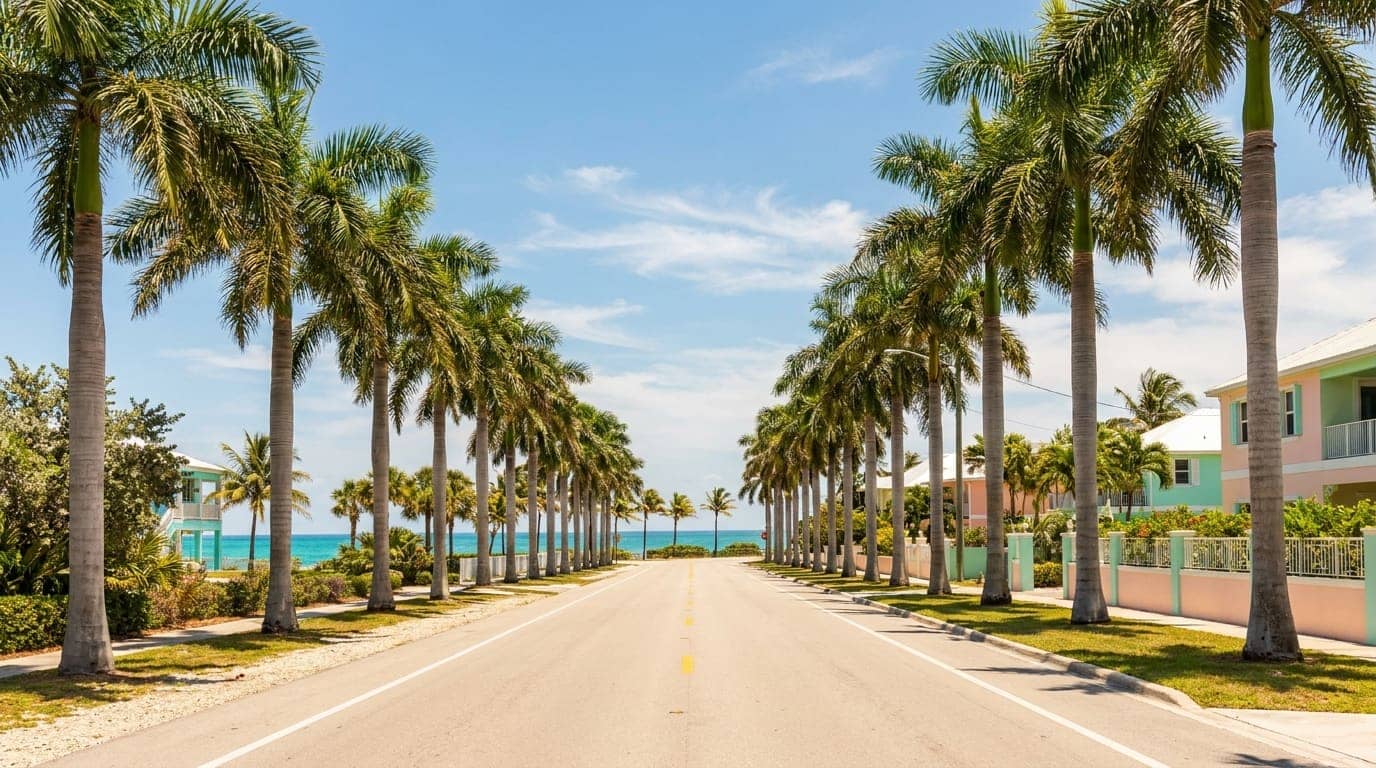
Windshield Replacement in Palm Coast, FL
Near Palm Coast Parkway, Belle Terre Parkway, I-95, and the roads leading toward trails, canals, and beaches, cracked auto glass can make daily driving less safe. Bang AutoGlass provides mobile windshield replacement and auto glass services for drivers who want reliable help nearby.
Mobile service throughout Palm Coast, Florida — we come to your home, your work, or the roadside.
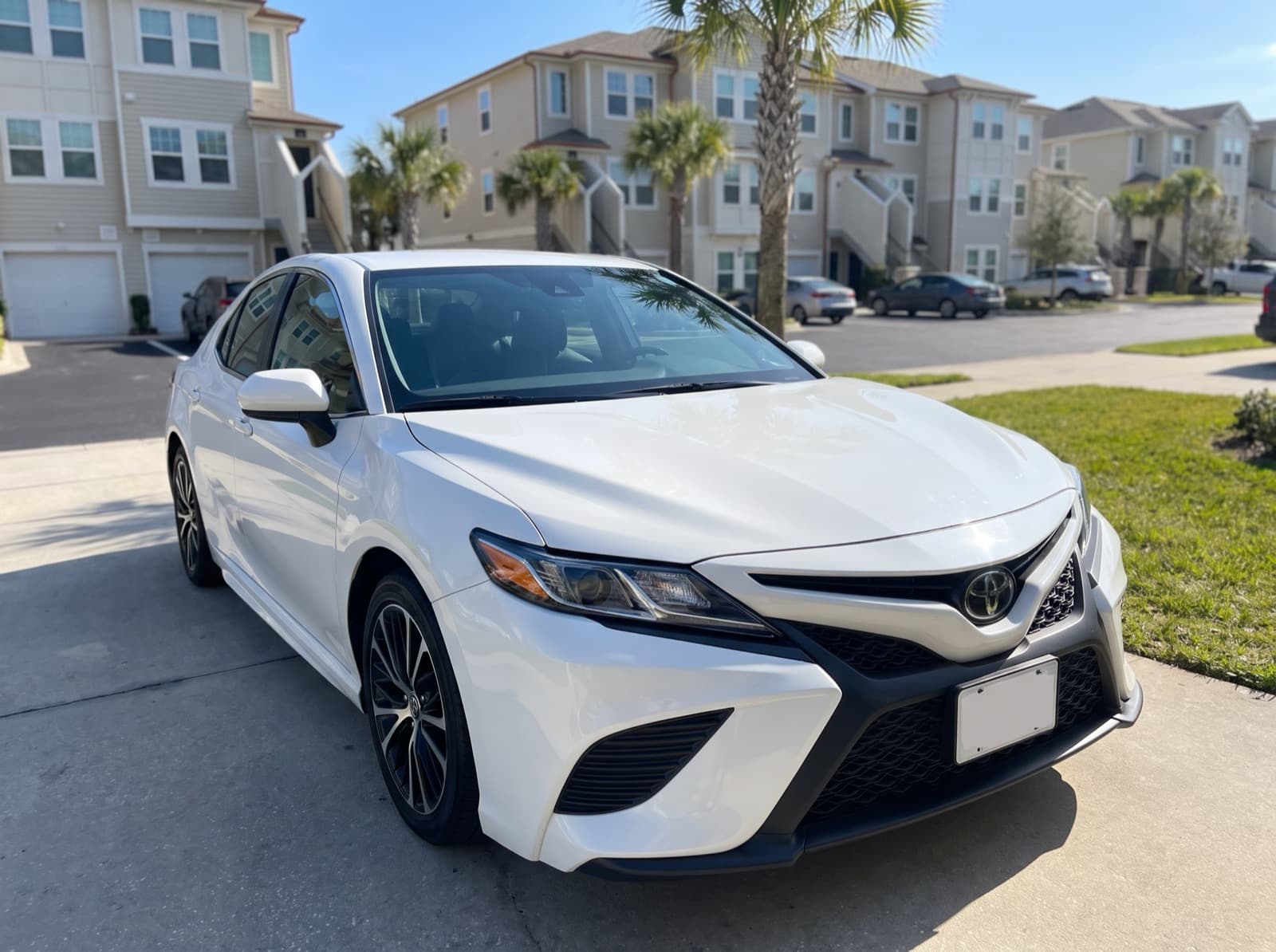
Where we come to you in Palm Coast
Home & driveway
The most common appointment in Palm Coast: the van parks in your driveway or at the curb, and you stay inside while the glass is replaced. Most jobs take 30–45 minutes.
Work & office lots
Office parks, garages with clearance, retail and campus lots — we meet you where the car is parked. Gated community or controlled lot? Just mention it when you book.
Roadside
Cracked glass doesn't wait for a convenient address. All the crew needs is a flat, level spot with room to open both front doors.
No shop, no waiting room — the shop comes to you. How mobile auto glass service works →
What to expect when we come to you in Palm Coast
Flagler County roads that punish your windshield
Driving through Palm Coast means navigating a unique mix of scenic coastal roads, busy stretches of Interstate 95, and the quiet, tree-lined streets that wind through every section of this Flagler County community. Whether you live in the P-Section, commute daily on US-1, or spend weekends near Flagler Beach, your windshield takes a beating from sun, humidity, summer thunderstorms, and the occasional rock kicked up on the highway. At Bang AutoGlass, we provide complete windshield replacement and auto glass services for every neighborhood in Palm Coast, delivering OEM-quality materials, lifetime workmanship warranties, and the kind of next-day appointment availability that gets you back on the road quickly without sacrificing safety or quality.
Why Palm Coast Drivers Trust Bang AutoGlass
Palm Coast has grown into one of the most populous cities in Northeast Florida, with close to 100,000 residents spread across more than 90 square miles. That growth has brought more traffic, more construction zones, and more daily mileage for the average driver. With that comes more chips, cracks, and full windshield breakage. Our team has built a reputation throughout Flagler County for honest service, quick turnaround, and a customer-first approach that respects your time and your vehicle. Every replacement we perform is backed by a lifetime workmanship warranty, which means if anything related to our installation ever fails, we make it right.
Local Knowledge for Flagler County Drivers
Knowing the local roads matters when you're scheduling auto glass service. Drivers in Palm Coast deal with everything from the high-speed stretches of I-95 between exits 284 and 289 to the slower-paced residential streets in Indian Trails, Matanzas Woods, Seminole Woods, and Palm Harbor. The construction debris kicked up along Palm Coast Parkway, Belle Terre Parkway, and Old Kings Road is one of the most common reasons we get calls for chip and crack repair. Because we know these roads, we also know the kind of damage they tend to cause, and we come prepared with the right glass and adhesives for every make and model.
Mobile Auto Glass Service Across Every Palm Coast Section
Bang AutoGlass is a fully mobile service, which means we come to you anywhere in Palm Coast. We service the full range of sections, including the B-Section, C-Section, F-Section, L-Section, P-Section, R-Section, S-Section, W-Section, and beyond. Whether you're parked at your home in Grand Haven, working an office near European Village, or pulled over at Town Center, we'll meet you where you are. Most windshield replacements take only 30 to 45 minutes to complete, followed by a one-hour safe drive away time for the adhesive to cure properly. That means you can have a new windshield installed in your driveway during your lunch break and be ready to drive by the time you're done with your afternoon meetings.
Windshield Replacement in Palm Coast
A windshield is one of the most important structural components of your vehicle. It supports the roof in a rollover, helps your airbags deploy correctly, and gives you the clear line of sight you need to drive safely through Palm Coast traffic. Replacing it isn't just about looks. It's about restoring the integrity of your vehicle and keeping every passenger inside as protected as possible.
When You Need a Windshield Replacement
Not every chip or crack means you need a full replacement, but plenty of them do. If the damage is larger than a dollar bill, sits directly in the driver's line of sight, has reached the edge of the windshield, or has multiple cracks branching out from a single impact point, replacement is usually the safer option. Florida's heat and humidity make small chips spread fast, and a tiny crack near Flagler Beach in the morning can turn into a foot-long fracture by the time you've made it back across the Hammock Dunes Bridge.
The Replacement Process from Start to Finish
When you schedule a windshield replacement with Bang AutoGlass, we confirm your vehicle's year, make, and model so we can match the right OEM-quality glass to your car or truck. On the day of your appointment, our mobile technician will arrive at the location you choose, prep the area, and carefully remove the damaged glass. We clean and prime the pinch weld, apply automotive-grade urethane adhesive, and set the new windshield in place. After about 30 to 45 minutes of hands-on work, your vehicle needs roughly one hour of cure time before it's safe to drive.
What to Expect During Your Appointment
You don't need to do much on your end. We ask that the vehicle be parked somewhere relatively flat and accessible, ideally out of direct rain. We bring everything we need, including the glass, adhesives, molding, and any clips required for your specific vehicle. We'll let you know when the urethane has cured enough for safe operation, and we'll walk you through any aftercare tips before we leave, like avoiding car washes for at least 24 hours and leaving a window slightly cracked to prevent pressure buildup.
Additional Auto Glass Services We Offer in Palm Coast
Windshield replacement is what we're best known for, but it's far from the only glass on your vehicle that can break. We handle the full range of auto glass repair and replacement needs for Palm Coast drivers.
Door Glass Replacement
Side window glass is one of the most common pieces to break, especially in cases of attempted break-ins or accidents in parking lots around Town Center, Palm Coast Landing, or the European Village shopping area. We replace driver and passenger door glass on virtually every make and model, including vent glass and small triangular quarter panels. Our mobile team can typically remove the broken glass, vacuum the door panel and interior, and install the new piece in a single appointment.
Quarter Glass Replacement
Quarter glass refers to the smaller windows located behind the rear doors on many sedans, SUVs, and trucks, as well as the fixed triangle windows near the A-pillar on certain models. These pieces are often overlooked, but when they break, they leave your vehicle exposed to the Florida elements. We carry quarter glass for a wide range of vehicles and can usually source uncommon pieces within a day, keeping that next-day appointment promise intact.
Rear Glass Replacement
Rear windshields, also called back glass, are often more complex than they look. Many include defrost lines, antennas, or rain sensors that need to be reconnected properly. A rear glass replacement is especially important after an accident or break-in, since the back window is part of the structural rigidity of many modern vehicles. Our technicians replace rear glass at your home, office, or anywhere else in Palm Coast, using OEM-quality glass and reattaching all factory components.
Sunroof Glass Replacement
Sunroof glass can shatter from impact, thermal stress in Florida's intense summer heat, or sudden pressure changes. A broken sunroof is more than a cosmetic issue, since it can let in water, debris, and humidity that damages your headliner and electronics. We replace sunroof glass on factory panoramic and traditional sliding sunroofs, restoring the seal and operation so your roof is watertight and ready for the next Palm Coast thunderstorm.
ADAS Calibration in Palm Coast
Modern vehicles are packed with advanced driver assistance systems, also known as ADAS. These include features like lane departure warning, automatic emergency braking, adaptive cruise control, and forward collision alerts. Many of these systems rely on cameras and sensors mounted to the windshield, which means that any time the windshield is removed or replaced, those systems need to be recalibrated to function correctly. Bang AutoGlass offers professional ADAS calibration for Palm Coast drivers as part of our windshield replacement service. Skipping calibration isn't an option on most newer vehicles, since an uncalibrated camera can misread lane lines on US-1 or fail to detect a vehicle ahead on I-95. We make sure your safety systems are restored to factory specifications before you drive away.
Fleet Auto Glass Services for Palm Coast Businesses
Local businesses across Flagler County depend on their vehicles to get work done, and we understand that downtime is lost revenue. Bang AutoGlass offers fleet auto glass services for landscaping companies, delivery services, construction crews, real estate offices, rideshare drivers, and any other Palm Coast business that operates multiple vehicles. We coordinate with your fleet manager to schedule replacements on your timeline, often servicing multiple vehicles in a single visit. Whether your fleet is parked at a job site near Matanzas Woods or staged at a yard off Old Kings Road, we'll come to you and keep your operation moving.
How Palm Coast's Climate Affects Your Auto Glass
Florida's climate is uniquely tough on windshields. Palm Coast sees more than 230 days of sunshine each year, frequent summer thunderstorms, high humidity year-round, and the occasional brush with a tropical system rolling in off the Atlantic. All of that takes a toll on automotive glass. The cycle of heat and rapid cooling from afternoon storms causes small chips to expand into full cracks almost overnight. Salty coastal air near A1A and Flagler Beach can also weaken existing damage over time.
Common Causes of Windshield Damage in Palm Coast
Local drivers tend to see windshield damage from a fairly predictable set of causes. The most common include:
- Loose gravel and construction debris kicked up along Palm Coast Parkway, Belle Terre Parkway, and I-95 work zones
- Tree limbs and falling palm fronds during summer thunderstorms and tropical weather
- Rapid temperature changes from running the AC at full blast after a vehicle has baked in the sun
- Hail and wind-driven debris during severe weather rolling in from the Atlantic
- Rocks and shells thrown from beach-bound vehicles along scenic coastal routes
- Door dings and impacts in busy parking lots around Town Center, European Village, and Epic Theatres
Once a chip or crack appears, the Florida heat almost guarantees it will spread. Getting damage addressed quickly is one of the best ways to avoid a more expensive full replacement.
Insurance Claim Assistance for Palm Coast Customers
Florida is one of a small number of states where comprehensive insurance policies are required to cover windshield replacement with zero deductible. That means many Palm Coast drivers can have their windshield replaced at no out-of-pocket cost, depending on their specific policy. Bang AutoGlass does not file claims on behalf of customers, but we will gladly walk you through the process and provide everything you need to get your claim started. We'll explain what information to have ready, what to expect from your insurance company, and how to make sure the replacement is documented correctly. Once your claim is approved, we handle the rest of the service from start to finish.
Our OEM-Quality Materials and Lifetime Workmanship Warranty
Every windshield, door glass, quarter glass, rear glass, and sunroof glass installation we perform uses OEM-quality materials. That means the glass meets or exceeds the specifications set by your vehicle's original manufacturer, including thickness, optical clarity, and structural integrity. Combined with high-grade automotive urethane adhesive and proper installation procedures, the result is a replacement that looks, performs, and protects exactly like the factory original. Every installation is backed by our lifetime workmanship warranty for as long as you own the vehicle. If you ever notice an issue related to our installation, such as a leak, wind noise, or trim concern, we'll address it at no additional cost.
Service Areas Throughout Palm Coast
Bang AutoGlass provides mobile auto glass service throughout the entire Palm Coast area, covering ZIP codes 32135, 32137, 32164, and 32136 along with the surrounding Flagler County communities. We regularly service the following neighborhoods and surrounding areas:
- Palm Harbor and the F-Section
- Indian Trails, including the B-Section and C-Section
- Matanzas Woods and the L-Section
- Seminole Woods, including the S-Section and U-Section
- Grand Haven and the gated communities along Colbert Lane
- Pine Lakes and the P-Section
- Lehigh Woods and the R-Section
- Belle Terre corridor and the W-Section
- Town Center, European Village, and central Palm Coast
- The Hammock, Flagler Beach, Bunnell, and unincorporated Flagler County areas
If you live or work anywhere within Palm Coast city limits or the immediate surrounding region, our mobile team can reach you with next-day availability in most cases.
Schedule Your Next-Day Auto Glass Appointment in Palm Coast
A cracked windshield doesn't have to disrupt your week. Bang AutoGlass offers next-day appointments for Palm Coast drivers, with mobile service that comes directly to your home, workplace, or wherever you need us. Most replacements take 30 to 45 minutes of hands-on work and about an hour of cure time before you're back on the road. With OEM-quality materials, a lifetime workmanship warranty, and personalized assistance with your insurance claim process, choosing Bang AutoGlass means choosing a local team that puts safety, quality, and convenience first. Reach out today to schedule your windshield replacement, door glass replacement, quarter glass replacement, rear glass replacement, sunroof glass replacement, ADAS calibration, or fleet auto glass service anywhere in Palm Coast.
Will yours be $0?
What Florida law actually says about your deductible — in plain English.
Arizona has an optional $0-glass add-on.
With the optional zero-deductible glass coverage (A.R.S. § 20-264) it's often $0 — otherwise your comprehensive deductible applies.
General info, not legal or insurance advice. We confirm your exact policy — free — before any work.
Full details for Florida drivers: Florida auto glass insurance guide →
Auto glass services in Palm Coast
Florida drivers: windshield replacement is often $0 out of pocket with the right coverage. We verify your policy free, before any work.
Check my coverageWindshield replacement questions from drivers in Palm Coast
Does Bang AutoGlass offer mobile windshield replacement in Palm Coast, Florida?+
Yes, Bang AutoGlass is a mobile-only service that comes to you for windshield replacement across Palm Coast and the surrounding area. We typically have next-day appointments available.
How much does windshield replacement cost in Palm Coast?+
Cost depends on your vehicle and glass type. Many drivers with comprehensive insurance pay nothing out of pocket due to Florida's deductible waiver. We provide a clear, upfront quote and help you file your claim.
How long does windshield replacement take in Palm Coast?+
Replacement typically takes 30-45 minutes to complete. You'll need to wait for the adhesive to set — about an hour is typical, and your technician confirms the exact safe drive-away time.
Does Bang AutoGlass do ADAS calibration for windshield replacement?+
Yes, if your vehicle requires ADAS calibration after windshield replacement, we can perform it in about 15-30 minutes. Our work carries a lifetime workmanship warranty.
Will you deal with my insurance company?+
Yes — we verify your coverage free before any work, file the claim start to finish, and bill the insurer directly. All insurance companies accepted.
What glass do you install, and is it warrantied?+
OEM-quality glass on every job, backed by a lifetime workmanship warranty for as long as you own the vehicle.
How fast can you get to me in Palm Coast?+
Next-day availability in most areas. New appointments can be booked 24/7 at (877) 994-5277; installs run Mon–Sat, 8am–6pm.
Serving Palm Coast, Florida
Mobile auto glass that comes to you anywhere in Palm Coast — home, work, or roadside.
Installs Mon–Sat, 8am–6pm · New appointments 24/7 at (877) 994-5277 · Hablamos español.
4.8★ on Google · 350+ reviews from AZ & FL drivers
“I needed my windshield replaced and they made the entire process easy. Bang AutoGlass is the best!”
“Bang AutoGlass made my windshield replacement simple from start to finish.”
“The team was professional, friendly, and efficient from the first call to the finished job.”