Ferrari Quarter Glass Replacement
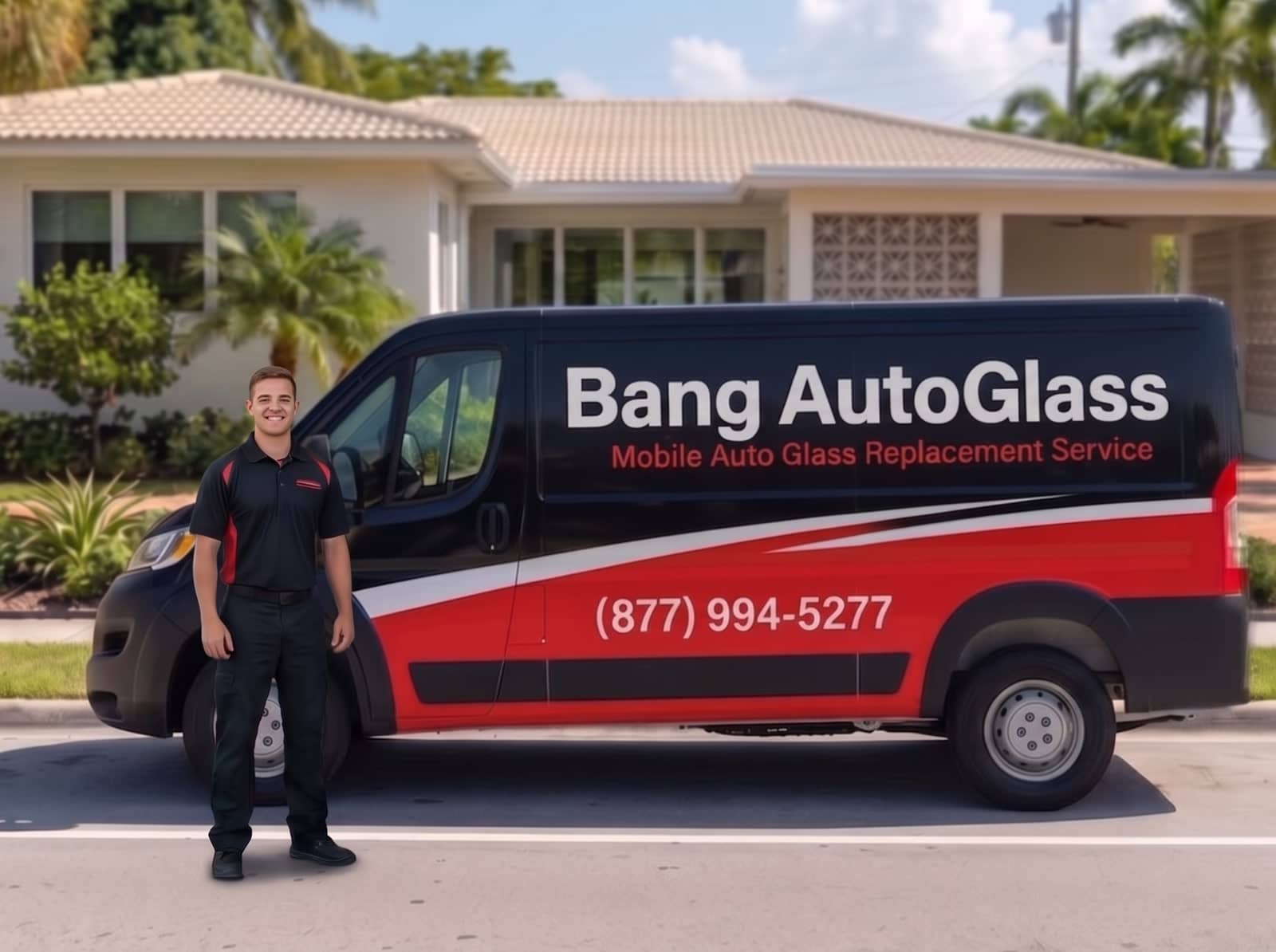
Bang AutoGlass replaces Ferrari quarter glass on Roma, GTC4Lusso, and Purosangue with OEM-quality tempered safety glass set in fresh urethane for a flush, factory-matched fit. Mobile service across Arizona and Florida includes careful trim work, exact alignment, and lifetime workmanship warranty.
Ferrari Quarter Glass Replacement: Specialized Mobile Service for the Prancing Horse
When your Ferrari needs quarter glass replacement, you cannot afford to trust your investment to just any auto glass shop. Ferrari vehicles are precision-engineered exotic machines where every panel, seal, and pane of glass contributes to both the aerodynamic performance and the unmistakable aesthetic that defines the brand. At Bang AutoGlass, we provide expert Ferrari quarter glass replacement that respects the craftsmanship of your vehicle while delivering the convenience of fully mobile service. Whether you drive a 488 GTB, F8 Tributo, Roma, Portofino, 812 Superfast, or a classic 360 Modena, our technicians bring decades of luxury and exotic vehicle experience directly to your driveway, garage, or place of business.
What Is Quarter Glass on a Ferrari?
Quarter glass refers to the smaller pieces of fixed or movable glass located between the main side windows and the body pillars of your vehicle. On most Ferrari models, quarter glass is positioned behind the door windows near the C-pillar, integrated into the iconic flying buttresses, or in some cases tucked behind the cabin in a coupe configuration. These panels are typically fixed in place using high-strength urethane adhesive and serve both functional and aesthetic purposes, providing additional outward visibility while preserving the unbroken silhouette Ferrari designers work so hard to achieve.
On models like the Ferrari 488 and F8 Tributo, the quarter glass plays a critical role in airflow management around the engine intakes. On the Roma and Portofino, it enhances the grand touring sightlines. On classic models like the F355, 360, or 550 Maranello, the quarter glass is often part of a rare, hard-to-source assembly that requires careful handling and proper sealing techniques.
Why Ferrari Quarter Glass Requires Specialized Service
Replacing quarter glass on a Ferrari is not the same as swapping a piece of glass on a mainstream vehicle. Ferrari uses tighter manufacturing tolerances, specialized urethane bonding, hidden trim clips, and in some cases laminated acoustic glass to maintain a quiet, vibration-free cabin at high speeds. The slightest misalignment can cause wind whistle at triple-digit highway speeds, water leaks, or even stress cracks that propagate through the new glass within weeks of a poor installation.
Our technicians understand the unique characteristics of Ferrari body panels, including how to protect the carbon fiber accents, aluminum spaceframe construction, and delicate paint finishes that distinguish these vehicles. We use the correct removal tools and bonding agents to ensure your new quarter glass sits flush, seals completely, and performs exactly as the factory intended.
Common Reasons Ferrari Quarter Glass Needs Replacement
Even the most carefully driven Ferrari can suffer quarter glass damage from a variety of everyday and unexpected sources. Understanding what caused your damage helps you make informed decisions about replacement, insurance claims, and how to prevent future incidents.
Road Debris and Stone Chips
Ferraris are often driven on highways and canyon roads where loose gravel, tire-thrown rocks, and construction debris are constant threats. A small chip in your quarter glass can quickly spread into a full crack, especially when temperature swings between cool evenings and hot summer days expand and contract the glass. Because quarter glass is typically tempered rather than laminated, even a small impact can sometimes cause the entire panel to shatter into the characteristic pebble pattern that requires full replacement.
Vandalism and Break-Ins
Unfortunately, Ferraris attract attention, and not always the welcome kind. Smash-and-grab thefts targeting valuables left in the cabin frequently result in broken quarter glass because it is smaller, easier to break, and located away from the door alarm sensors that protect the main side windows on many models. We handle vandalism-related quarter glass replacement with discretion, and we can assist you in documenting damage for insurance and police reports.
Stress Cracks and Manufacturing Defects
On older Ferraris, particularly models from the late 1980s through the early 2000s, quarter glass can develop stress cracks from years of body flex, sun exposure, or settling of the original urethane seal. These cracks often start at the corner of the panel and travel inward, sometimes appearing without any obvious impact. Our team is familiar with sourcing replacement glass for vintage and modern Ferraris alike.
Accidents and Collisions
Even minor parking lot collisions or side impacts can shatter quarter glass or compromise the seal that holds it in place. After an accident, it is essential to have your quarter glass inspected even if it appears intact, since hairline cracks or compromised adhesive can lead to leaks and further damage down the road.
Ferrari Models We Service for Quarter Glass Replacement
Bang AutoGlass services the full range of modern and recent Ferrari models, and we work with trusted suppliers to source quarter glass for older and limited-production vehicles as well. Below is an overview of the Ferrari models most commonly seen for quarter glass replacement.
Ferrari 488 GTB, 488 Spider, and F8 Tributo
The mid-engine 488 family and the F8 Tributo feature distinctive flying buttress quarter windows that channel air to the engine intakes. These panels are precisely contoured and must be installed with exact alignment to maintain both airflow performance and visual continuity with the rear deck. We use Ferrari-specific installation techniques to ensure your replacement panel matches the factory fitment.
Ferrari Roma and Portofino M
The Roma and Portofino models showcase Ferrari's grand touring philosophy with elegant, sweeping greenhouse profiles. Their quarter glass panels are larger and more visually prominent than those on the mid-engine models, making proper alignment and seal quality especially important for both aesthetics and weather protection.
Ferrari 812 Superfast and 812 GTS
The front-engine V12 grand tourers feature complex quarter glass geometry that flows into the rear quarter panels. Replacement on these vehicles requires careful trim removal and precise bonding to preserve the sweeping lines of the body.
Ferrari SF90 Stradale and SF90 Spider
As Ferrari's hybrid hypercar, the SF90 demands the highest level of installation precision. The quarter glass interacts with active aerodynamic elements and must be sealed perfectly to prevent any cabin noise intrusion at high speeds.
Classic and Vintage Ferraris
We also service vintage Ferraris including the 360 Modena, F430, 599 GTB, 550 Maranello, F355, and similar models. Sourcing quarter glass for these vehicles sometimes requires additional lead time, but we work directly with specialty suppliers to find the right panel for your classic.
Our Mobile Ferrari Quarter Glass Replacement Process
We have refined our mobile Ferrari quarter glass replacement process to minimize disruption to your day while delivering uncompromising quality. From the moment you contact us to the final inspection, every step is designed around protecting your vehicle and ensuring a perfect result.
- Initial consultation and quote. We collect your Ferrari's year, model, VIN, and a description or photo of the damage to confirm the correct quarter glass panel.
- Glass sourcing. We secure OEM-quality glass matching your factory specifications, with most replacements available for next-day appointments.
- On-site arrival. Our technician arrives at your home, office, or preferred location with a fully equipped mobile service vehicle.
- Protection and prep. We carefully mask the surrounding paint, carbon fiber, and trim to prevent any damage during removal.
- Old glass removal. Using specialized tools, we cleanly remove the damaged quarter glass and clean the bonding surface.
- New glass installation. We apply premium automotive urethane and set the new quarter glass with precise alignment.
- Cure and final inspection. After the recommended cure time, we verify the seal, check alignment, and walk you through aftercare instructions.
The actual replacement portion of this process typically takes 30 to 45 minutes, with an additional hour of cure time before the vehicle should be driven. This means your Ferrari is back in service the same visit, with no need for an extended shop stay.
Sourcing OEM-Quality Glass for Ferraris
We use OEM-quality glass that meets or exceeds the original specifications of your Ferrari. Our suppliers manufacture glass to the same standards as factory components, including matching thickness, tint, acoustic properties, and curvature. This ensures that your replacement panel performs identically to the original in terms of optical clarity, sound dampening, and structural integrity.
Curing and Final Inspection
After installation, the urethane requires approximately one hour to reach safe drive-away strength. During this time, our technician completes a final inspection, checks the surrounding seals, and confirms there are no gaps or visible imperfections. We also provide care instructions to help you protect the bond during the first 24 to 48 hours.
What Sets Bang AutoGlass Apart for Ferrari Owners
Choosing the right auto glass company for your Ferrari is about more than just price. It is about trust, expertise, and a commitment to protecting one of your most valuable possessions. Here is what makes Bang AutoGlass the preferred choice for Ferrari owners:
- Fully mobile service that comes to your home, office, dealership, or storage facility, so you never have to risk driving a Ferrari with damaged glass.
- Next-day appointment availability for most Ferrari quarter glass replacements, with rare and vintage panels coordinated through our specialty supplier network.
- Lifetime workmanship warranty on every installation, giving you peace of mind that our work is built to last as long as you own your Ferrari.
- OEM-quality materials including premium automotive urethane and glass that meets factory specifications for fit, finish, and acoustic performance.
- Experienced exotic vehicle technicians who understand the unique requirements of Ferrari construction, finishes, and trim components.
Mobile Service That Comes to You
We understand that Ferrari owners often have demanding schedules and that driving a vehicle with a broken quarter glass is neither safe nor desirable. Our mobile service eliminates the need to navigate traffic, deal with shop drop-offs, or worry about exposing your Ferrari to weather, theft, or careless handling at a third-party facility. We arrive with everything needed to complete the replacement on-site.
Next-Day Appointment Availability
For most Ferrari quarter glass replacements, we offer next-day appointments, allowing you to get back on the road quickly without sacrificing quality. This rapid turnaround is especially valuable when your Ferrari is your daily driver or when you have an upcoming event, drive, or trip you cannot reschedule.
Lifetime Workmanship Warranty
Every Ferrari quarter glass replacement we perform is backed by our lifetime workmanship warranty. This means that for as long as you own your Ferrari, we stand behind the installation. If you ever experience an issue related to our workmanship, such as a leak, wind noise, or seal failure, we will return and make it right at no cost to you.
OEM-Quality Materials
We use OEM-quality materials throughout the entire replacement process. This includes the glass itself, the urethane adhesive, and any clips, gaskets, or seals required for your specific Ferrari model. Our commitment to quality materials ensures that your replacement quarter glass performs identically to the original.
Filing an Insurance Claim for Ferrari Quarter Glass Replacement
Ferrari ownership often comes with comprehensive insurance coverage that includes auto glass replacement. Understanding how your policy applies to quarter glass damage can help you minimize out-of-pocket costs while protecting your vehicle's value.
How We Assist With Your Insurance Claim
We help you with the insurance claim from start to finish and make the process as smooth as possible. Our team can help you understand your coverage, document the damage with photos and reports, and explain what information your insurance carrier will need. We coordinate directly with most major insurance companies after your claim is opened, so you can focus on your day while we handle the technical details with the adjuster.
Comprehensive vs. Collision Coverage
Quarter glass damage from road debris, vandalism, or weather is typically covered under the comprehensive portion of your auto insurance policy. Damage from a collision is generally covered under collision coverage. The distinction matters because comprehensive claims usually do not raise your premiums and may have lower deductibles, while collision claims can sometimes affect your renewal rates.
Deductibles and Out-of-Pocket Costs
Most Ferrari insurance policies include a comprehensive deductible that applies to glass claims. Your policy sets the deductible amount. In some states, glass-specific deductibles or waivers may apply. We provide transparent pricing upfront so you know exactly what to expect, whether you choose to use insurance or pay out of pocket.
How to Care for Your New Ferrari Quarter Glass
Proper aftercare in the first 24 to 48 hours after installation is essential for ensuring a long-lasting seal and protecting your investment. Following these guidelines will help your replacement quarter glass perform like new for years to come.
First 24 to 48 Hours After Installation
During the initial cure period, avoid slamming doors, running automatic car washes, or exposing the vehicle to heavy rain when possible. Leaving a window slightly cracked can help equalize cabin pressure when closing doors, reducing stress on the freshly installed glass. Our technician will provide you with specific aftercare instructions tailored to your Ferrari and the conditions on the day of installation.
Long-Term Care Tips
For long-term care, use only pH-neutral automotive glass cleaners and microfiber cloths to maintain optical clarity without harming the seal. Avoid placing window decals, stickers, or suction-mounted accessories directly on or near the quarter glass perimeter, as removing them later can damage the urethane. Periodically inspect the trim and gasket areas for signs of wear, and contact us immediately if you ever notice water intrusion, wind noise, or visible gaps.
Schedule Your Ferrari Quarter Glass Replacement Today
Your Ferrari deserves the highest level of care, and Bang AutoGlass delivers it with mobile convenience, expert workmanship, and a no-compromise commitment to quality. Whether you need quarter glass replacement on a 488 GTB, F8 Tributo, Roma, Portofino, 812 Superfast, SF90, or a classic prancing horse, we have the expertise, materials, and dedication to get the job done right the first time.
Reach out today using the contact information at the top of this page to request your next-day Ferrari quarter glass replacement. Our team will confirm your vehicle details, source the correct OEM-quality panel, and schedule a mobile appointment that fits your schedule. With Bang AutoGlass, you get exotic-vehicle expertise, lifetime workmanship warranty protection, and the peace of mind that comes from working with a team that treats every Ferrari like it belongs in our own collection.
Ferrari Quarter Glass Replacement — common questions
What is quarter glass replacement and how does it work?
Quarter glass is the small fixed window behind the rear doors on your Ferrari. When damaged, our technicians replace it with OEM-quality glass at your location—no shop visit needed. The new glass is bonded in place and backed by our lifetime workmanship warranty.
How long does a Ferrari quarter glass replacement take?
The replacement itself takes about 30-45 minutes. The adhesive then needs time to set — about an hour is typical, and your technician confirms the exact safe drive-away time. Plan for a total visit of about 1.5-2 hours.
What if my comprehensive insurance covers quarter glass damage?
We help you file your claim if needed. Many comprehensive insurance policies cover quarter glass replacement. If yours does, you may have nothing out of pocket depending on your deductible and coverage.
Does the quarter glass warranty apply to my Ferrari?
Yes. Every quarter glass replacement includes our lifetime workmanship warranty, which covers the quality of the installation on any vehicle, including your Ferrari.
Where we do Ferrari auto glass
Bang AutoGlass is a mobile auto glass company serving Arizona and Florida. We don't have a shop you drive to — we come to your home, your job, or wherever the car is sitting, with next-day appointments in most areas. In Arizona that means the whole Valley — Phoenix, Mesa, Scottsdale, Chandler, Gilbert, Tempe, Glendale and out to Tucson and Prescott. In Florida we cover Tampa Bay, Orlando and Miami, from St. Petersburg and Clearwater across to Kissimmee, Winter Park and Fort Lauderdale.
Browse every city we serve in Arizona and Florida, or read how coverage works under Arizona's glass statutes and Florida's § 627.7288.
Mobile auto glass — cities we serve
4.8★ on Google · 350+ reviews from AZ & FL drivers
“I needed my windshield replaced and they made the entire process easy. Bang AutoGlass is the best!”
“Top-notch auto glass service. They handled my windshield replacement quickly and professionally.”
“Bang AutoGlass made my windshield replacement simple from start to finish.”
Need Ferrari Quarter Glass Replacement?
We come to you across Arizona and Florida — often $0 with insurance.
We reply within minutes during business hours.