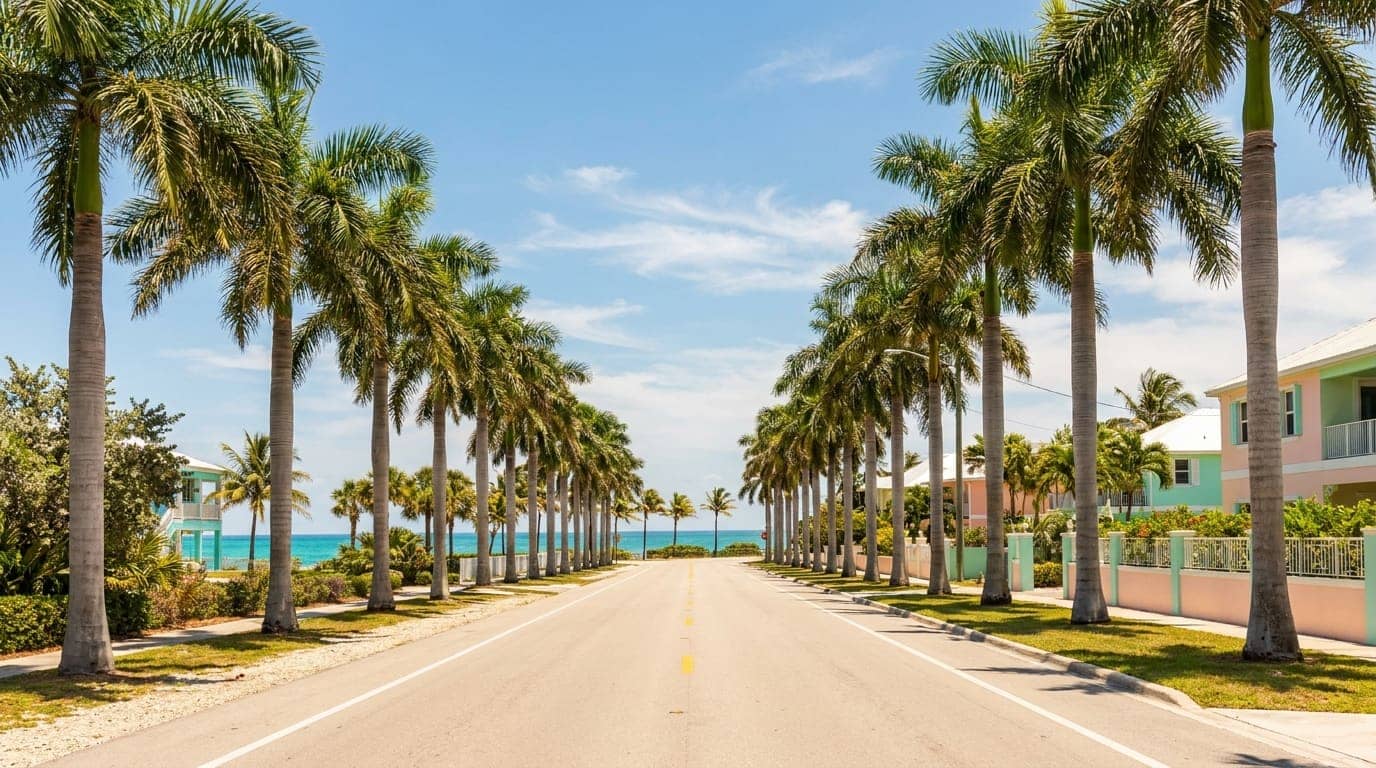
Windshield Replacement in Edgewater, FL
Along US-1, near the riverfront, and around the routes connecting coastal Volusia County, damaged auto glass can quickly become a visibility concern. Bang AutoGlass provides mobile windshield replacement and auto glass services for drivers who need dependable service nearby.
Mobile service throughout Edgewater, Florida — we come to your home, your work, or the roadside.
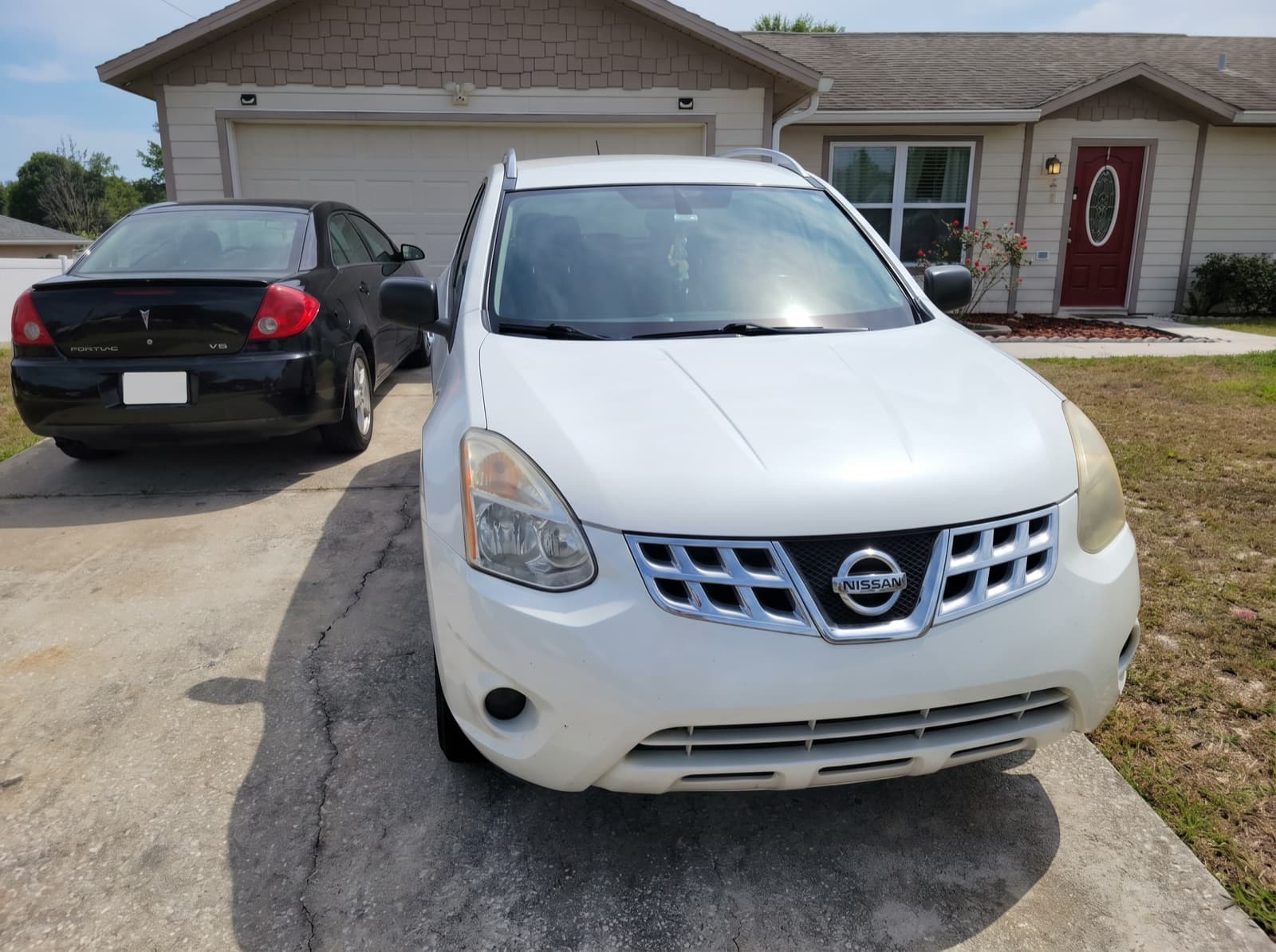
Where we come to you in Edgewater
Home & driveway
The most common appointment in Edgewater: the van parks in your driveway or at the curb, and you stay inside while the glass is replaced. Most jobs take 30–45 minutes.
Work & office lots
Office parks, garages with clearance, retail and campus lots — we meet you where the car is parked. Gated community or controlled lot? Just mention it when you book.
Roadside
Cracked glass doesn't wait for a convenient address. All the crew needs is a flat, level spot with room to open both front doors.
No shop, no waiting room — the shop comes to you. How mobile auto glass service works →
What to expect when we come to you in Edgewater
Windshield Replacement and Auto Glass Service in Edgewater, Florida
Driving along the Indian River Lagoon, cruising down U.S. Highway 1, or commuting through the long stretches of I-95 toward Daytona and New Smyrna Beach, Edgewater drivers put thousands of miles on their vehicles every year — and that means windshields take a beating. Whether you're towing a boat to Menard May Park, hauling work gear through Florida Shores, or driving the kids to school on Indian River Boulevard, a chipped or cracked windshield can stop your day in its tracks. At Bang AutoGlass, we provide fast, professional, mobile windshield replacement and auto glass services to drivers throughout Edgewater, Florida, with next-day appointments, OEM-quality materials, and a lifetime workmanship warranty on every job we complete.
Serving Drivers Across Edgewater and Volusia County
Edgewater sits on the western shore of the Indian River Lagoon in southeast Volusia County, a 25-square-mile community that has grown into one of the fastest-developing cities along Florida's east coast. With a population of nearly 25,000 and rapid growth in neighborhoods like Coral Trace, Hacienda Del Rio, Edgewater Landing, and Florida Shores, the demand for reliable, mobile auto glass service has never been higher. Our team services all of zip codes 32132 and 32141, covering the entire city limits from Park Avenue down to Ariel Road, and from the Indian River shoreline out to the I-95 corridor at State Road 442. No matter where you live or work in Edgewater, we'll come to you.
Why Edgewater's Climate Is Tough on Auto Glass
Edgewater receives roughly 49 inches of rain per year — more than the national average — and boasts around 234 sunny days annually with July highs near 90 degrees. That combination of intense Florida heat, high humidity, sudden thunderstorms, and salty coastal air takes a toll on automotive glass and the urethane that holds it in place. Existing chips can spread into long cracks when the windshield expands in the heat and contracts under air conditioning. UV exposure can degrade old adhesive seals, leading to wind noise and leaks. Coastal salt accelerates corrosion around the pinch weld where the windshield bonds to the vehicle frame. These are real, local factors that influence when a windshield needs to be replaced, and our technicians understand exactly how to address them in an Edgewater driving environment.
Driving Hazards on Edgewater Roads
The most common cause of windshield damage we see in Edgewater is rock and debris strikes from U.S. Highway 1, which runs about six miles through the city and carries heavy commercial truck traffic. Construction zones along Indian River Boulevard, gravel kicked up from the I-95 interchange at SR 442, and loose materials falling from work trucks heading to job sites in Oak Hill or New Smyrna Beach can all crack a windshield in a split second. Add in summer thunderstorms that drop tree limbs across Riverside Drive, hurricane season debris, and the occasional wayward golf ball near Hacienda Del Rio, and it's easy to see why so many local drivers eventually need windshield repair or replacement.
The structural job your windshield quietly does
A damaged windshield is more than a cosmetic issue — it's a safety concern. The windshield is a structural component of your vehicle that supports the roof during a rollover, allows airbags to deploy correctly, and keeps you inside the cabin in the event of a collision. When a chip is larger than a quarter, a crack runs longer than three inches, or damage sits directly in the driver's line of sight, replacement is almost always the safer choice over repair.
Our Mobile Windshield Replacement Process
Bang AutoGlass is a fully mobile auto glass company, which means we bring the shop to your driveway, your office parking lot, or wherever you happen to be in Edgewater. Most windshield replacements take just 30 to 45 minutes to complete from start to finish, followed by a one-hour safe-drive-away time to allow the urethane adhesive to fully cure. That means you can schedule an appointment in the morning at your home in Florida Shores and be back on the road by lunchtime — no need to sit in a waiting room or arrange a rental car.
What to Expect During Your Appointment
Our technician will arrive in a fully equipped service vehicle carrying OEM-quality replacement glass, primer, urethane, and all the trim and molding needed for your specific make and model. We start by protecting the paint and interior of your vehicle, then carefully remove the old windshield, clean and prime the pinch weld, and bond the new windshield using high-grade urethane adhesive rated for full structural strength. After the install, we double-check the seal, reattach any sensors or trim, and walk you through what to expect during the one-hour cure window.
Caring for Your New Windshield
For the first 24 to 48 hours after installation, we recommend leaving a window slightly cracked to relieve cabin pressure, avoiding automatic car washes, and being gentle when closing the doors. These small steps help the adhesive set properly and ensure the long-term integrity of your new windshield — especially important given Edgewater's humid coastal climate.
Additional Auto Glass Services in Edgewater
While windshield replacement is our most common service, we handle every type of auto glass repair and replacement that Edgewater drivers need. Each of these services is performed on a fully mobile basis with the same OEM-quality materials and lifetime workmanship warranty.
Door Glass Replacement
Whether your driver's side window was shattered in a break-in at the Edgewater Walmart parking lot, cracked by a stray rock on US-1, or simply failed after years of UV exposure, we replace door glass on all makes and models. Most door glass replacements take about 45 minutes, and we vacuum out broken glass from the door panel and seat tracks so you don't have to deal with stray shards days later.
Quarter Glass Replacement
Quarter glass — the small triangular or rectangular windows located behind the rear doors or near the rear pillars — is often damaged during break-ins or by debris. Sourcing quarter glass for older vehicles can be tricky, but our technicians have the supplier relationships needed to track down the correct piece and install it cleanly the first time.
Rear Glass Replacement
A shattered rear windshield isn't just an eyesore — it exposes your interior to Edgewater's heavy rainfall and sun damage. We replace rear glass with the proper defroster connections and brake light pass-throughs intact, and we make sure any factory tint or privacy glass is matched as closely as possible.
Sunroof Glass Replacement
Cracked sunroofs are surprisingly common in Florida, often the result of thermal stress from the heat or debris falling from overhead. Sunroof replacement requires careful handling of the panel, track, and drainage system, and our technicians are trained to restore a leak-free seal that will hold up to even the heaviest Edgewater thunderstorm.
ADAS Calibration
Most vehicles built in the last several years are equipped with Advanced Driver Assistance Systems — cameras and sensors mounted to the windshield that power features like lane departure warning, automatic emergency braking, adaptive cruise control, and forward collision alerts. Anytime the windshield is replaced on an ADAS-equipped vehicle, those systems must be recalibrated to ensure they function correctly. Bang AutoGlass provides ADAS calibration as part of our windshield replacement service, so your vehicle leaves our care driving exactly the way it did before the damage occurred. Driving on busy roads like US-1 or I-95 with miscalibrated safety systems is a serious risk, and we take this step seriously on every applicable job.
Fleet Auto Glass Services
Edgewater is home to dozens of small businesses, contractors, marine services, and delivery operations that rely on their vehicles to stay productive. From landscaping crews working in Coral Trace to plumbing trucks running calls in Edgewater Landing, downtime is expensive. Our fleet auto glass program is built to minimize that downtime. We can service multiple vehicles at a single location, schedule recurring maintenance, invoice on net terms, and prioritize quick turnaround so your crew is back on the road the next day. If you operate a fleet of any size in the Edgewater area, we can build a service plan that works around your schedule.
Mobile Auto Glass Services Throughout Edgewater
Every service we offer is mobile by default. Whether you're at home off Riverside Drive, at work near the Edgewater Industrial Park, on a job site at the I-95/SR-442 interchange, or visiting Menard May Park with the family, our technicians come to you with everything needed to complete the job on the spot. There's no need to drive a damaged vehicle across town or coordinate a tow — we handle it where you are.
Neighborhoods and Areas We Service in Edgewater
Bang AutoGlass proudly serves every corner of Edgewater and the surrounding communities. Some of the specific areas our mobile technicians cover include:
- Florida Shores
- Coral Trace
- Hacienda Del Rio
- Edgewater Landing
- The Riverwalk District along Riverside Drive
- The US-1 commercial corridor and Park Avenue
- The Indian River Boulevard area
- The I-95 and SR-442 interchange zone
- Nearby New Smyrna Beach, Oak Hill, and southern Port Orange
If you live or work anywhere in zip codes 32132 or 32141, you're well within our service area, and same-week or next-day appointments are almost always available.
Insurance Claim Assistance for Edgewater Drivers
Florida is one of the few states with comprehensive zero-deductible windshield coverage laws for many drivers, which means if you carry comprehensive auto insurance, your windshield replacement may be fully covered with no out-of-pocket cost. We don't file claims on behalf of our customers, but we do walk you through the process and provide all the documentation your insurance carrier will need. Our team will help you understand your benefits, explain what information your insurer will request, and make sure the paperwork on our end is complete so the claim moves through quickly. Once your claim is approved, we coordinate directly with your insurance company to handle billing, so you can focus on getting back on the road instead of getting buried in forms.
Why Edgewater Drivers Choose Bang AutoGlass
Edgewater has a number of options when it comes to auto glass, but our customers choose us for a specific set of reasons that come up again and again in conversation:
- We're fully mobile, which means we come to your home, office, or job site anywhere in Edgewater.
- Most replacements take just 30 to 45 minutes, plus one hour of cure time before you can drive.
- We offer next-day appointments, so you're not waiting a week to fix a hazard.
- Every replacement uses OEM-quality glass and materials.
- Every job is backed by a lifetime workmanship warranty.
- We assist with insurance claims so you don't have to navigate the process alone.
- Our technicians are trained to perform ADAS calibration on equipped vehicles.
That combination of speed, quality, and convenience is what makes Bang AutoGlass a trusted choice for windshield replacement and auto glass service in Edgewater and across southeast Volusia County.
What Makes Auto Glass Service in Edgewater Unique
Servicing vehicles in Edgewater requires a real understanding of the local environment. Unlike inland Florida communities, Edgewater's location along the Indian River Lagoon means high humidity and salt air, which affect how adhesives cure and how glass weathers over time. The mix of older homes in established neighborhoods like Florida Shores and newer construction in communities like Coral Trace means our technicians work in a wide range of driveways and parking situations every single day. We've serviced everything from compact commuter cars zipping down US-1 to dually pickup trucks pulling boats to the Kennedy Memorial Park boat ramp. That breadth of experience is part of what makes our team confident on any job, in any neighborhood, for any vehicle in the Edgewater area.
Tourism, Boating, and Truck Traffic
Edgewater's proximity to the Mosquito Lagoon Aquatic Preserve, Canaveral National Seashore, and the Indian River Lagoon makes it a destination for fishing, kayaking, and boating enthusiasts. That tourism traffic — combined with daily commercial truck traffic along US-1 and frequent construction projects throughout the growing Edgewater Landing and Coral Trace areas — keeps our schedule busy year-round with chipped, cracked, and shattered windshields. If you've taken a hit from a rock on the way to Turtle Mound National Historic Site or had a tree branch fall after a summer storm in Hacienda Del Rio, we're the local team that knows how to make it right.
Schedule Your Edgewater Auto Glass Appointment Today
A damaged windshield is one of those problems that only gets worse the longer you wait. Florida's heat, humidity, and rough US-1 truck traffic will turn a small chip into a full crack faster than you'd think. The good news is that the fix is fast, mobile, and often fully covered by insurance. Bang AutoGlass offers next-day appointments to drivers across Edgewater, FL, including Florida Shores, Coral Trace, Hacienda Del Rio, Edgewater Landing, and every other neighborhood from US-1 to the I-95 corridor. Reach out today through the form above or give us a call to get your windshield replacement scheduled. Most jobs are completed in under an hour of working time, every install comes with OEM-quality materials and a lifetime workmanship warranty, and our team is ready to assist with your insurance claim from start to finish. Drive safer, see clearer, and trust your local Edgewater auto glass team to take care of it the right way.
Will yours be $0?
What Florida law actually says about your deductible — in plain English.
Arizona has an optional $0-glass add-on.
With the optional zero-deductible glass coverage (A.R.S. § 20-264) it's often $0 — otherwise your comprehensive deductible applies.
General info, not legal or insurance advice. We confirm your exact policy — free — before any work.
Full details for Florida drivers: Florida auto glass insurance guide →
Auto glass services in Edgewater
Florida drivers: windshield replacement is often $0 out of pocket with the right coverage. We verify your policy free, before any work.
Check my coverageWindshield replacement questions from drivers in Edgewater
Can Bang AutoGlass replace my windshield in Edgewater, Florida?+
Yes, we're a mobile windshield replacement service that comes directly to you in Edgewater and the surrounding area. We handle replacements at your home or workplace with next-day appointment availability.
How much does windshield replacement cost in Florida?+
Cost depends on your vehicle and glass type, but most Florida drivers with comprehensive insurance pay nothing out of pocket due to the state's deductible waiver. We provide a clear, upfront quote and help you start your insurance claim.
How long does windshield replacement take?+
Replacement takes about 30–45 minutes to complete, plus time for the adhesive to fully set — about an hour is typical, and your technician confirms the exact safe drive-away time. Many modern vehicles also require ADAS calibration, which adds roughly 15–30 minutes.
Does Bang AutoGlass offer a warranty on windshield replacement?+
Yes, we provide a lifetime workmanship warranty on all windshield replacements. We use OEM-quality glass and stand behind our work for the life of your vehicle.
Do you have a shop in Edgewater?+
No — Bang AutoGlass is 100% mobile. The shop comes to you at home, work, or roadside anywhere in Edgewater. No shop visit, no waiting room.
Will you deal with my insurance company?+
Yes — we verify your coverage free before any work, file the claim start to finish, and bill the insurer directly. All insurance companies accepted.
Does my car need ADAS recalibration with a new windshield?+
If your vehicle's camera-based safety systems require it, we recalibrate to factory spec as part of the replacement.
How fast can you get to me in Edgewater?+
Next-day availability in most areas. New appointments can be booked 24/7 at (877) 994-5277; installs run Mon–Sat, 8am–6pm.
Serving Edgewater, Florida
Mobile auto glass that comes to you anywhere in Edgewater — home, work, or roadside.
Installs Mon–Sat, 8am–6pm · New appointments 24/7 at (877) 994-5277 · Hablamos español.
4.8★ on Google · 350+ reviews from AZ & FL drivers
“I needed my windshield replaced and they made the entire process easy. Bang AutoGlass is the best!”
“Bang AutoGlass made my windshield replacement simple from start to finish.”
“The team was professional, friendly, and efficient from the first call to the finished job.”