Acura Windshield Replacement
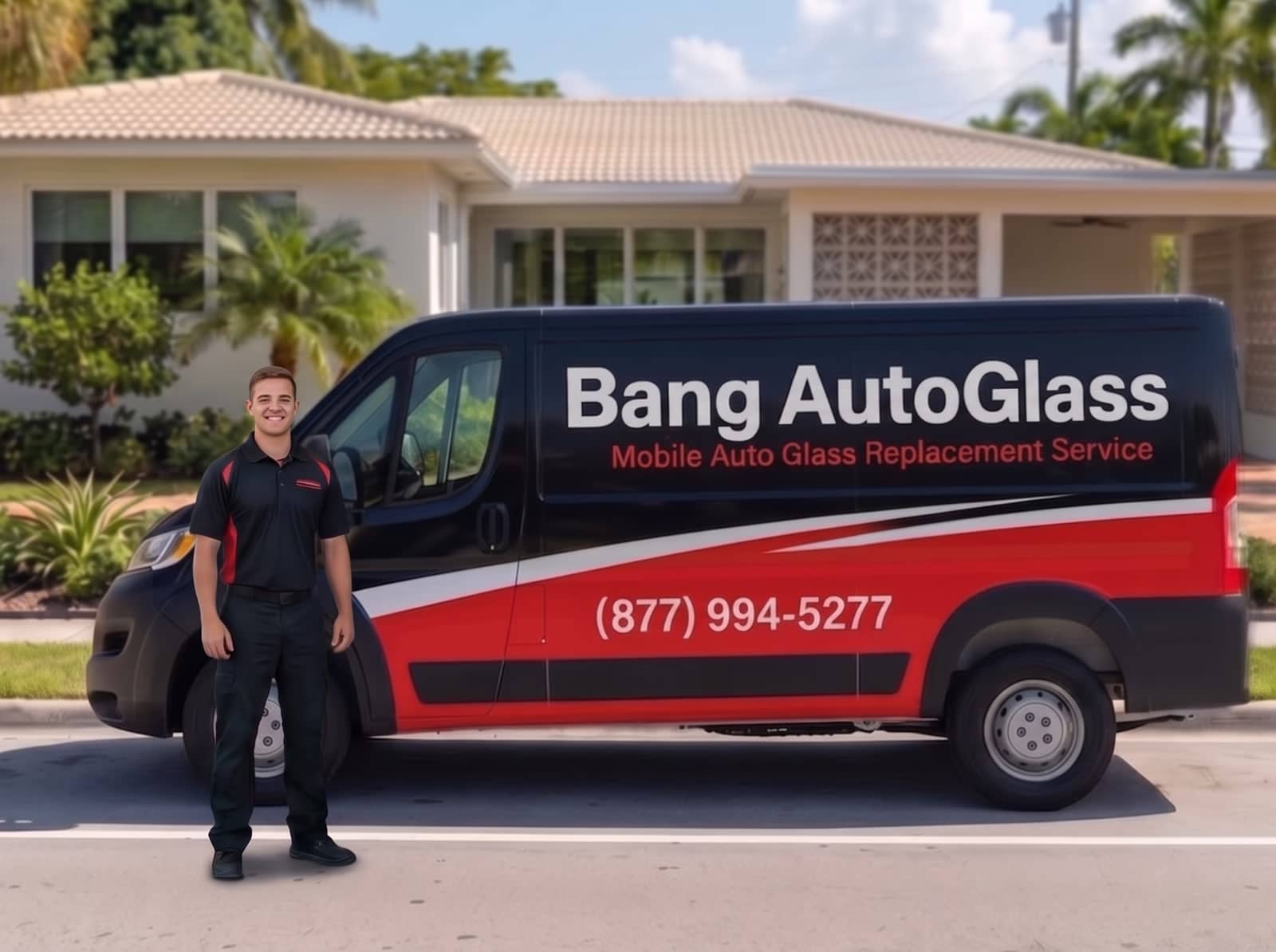
Bang AutoGlass installs mobile Acura windshields on MDX, RDX, TLX, and ILX across Arizona and Florida with OEM-spec laminated glass supporting AcuraWatch forward camera, rain sensors, and HUD when equipped. Jobs include urethane bonding, ADAS recalibration, and a lifetime workmanship warranty.
Acura Windshield Replacement — Mobile Service With OEM-Quality Glass and Lifetime Warranty
When your Acura's windshield is cracked, chipped, or shattered, you need a replacement service that understands the precision engineering and advanced technology built into every Acura vehicle. At Bang AutoGlass, we specialize in Acura windshield replacement using OEM-quality glass, experienced mobile technicians, and ADAS recalibration that keeps your AcuraWatch safety features performing exactly as Honda's luxury division designed them. Whether you drive an ILX commuter, a TLX sport sedan, an MDX family SUV, or the legendary NSX supercar, our team delivers dealership-level windshield replacement at your home, office, or jobsite — often with next-day availability and every job backed by our lifetime workmanship warranty.
Why Acura Windshields Require Specialized Replacement Expertise
Acura windshields aren't just sheets of laminated safety glass — they're integrated components packed with sensors, cameras, acoustic dampening layers, and structural elements that contribute to crash safety, cabin comfort, and the advanced driver assistance technology Acura owners rely on every day. Replacing an Acura windshield correctly requires knowledge of model-specific bracket placement, urethane bond strength ratings, camera mounting geometry, and post-installation calibration procedures. Cutting corners on any of these steps can compromise your AcuraWatch system, create wind noise, cause water leaks, or leave your vehicle structurally weaker in a rollover. Our technicians are trained specifically on the Acura platform across every generation.
AcuraWatch and Advanced Driver Assistance Systems (ADAS)
Nearly every modern Acura built from 2016 onward comes equipped with the AcuraWatch safety suite, which includes Collision Mitigation Braking System (CMBS), Lane Keeping Assist System (LKAS), Road Departure Mitigation (RDM), and Adaptive Cruise Control with Low-Speed Follow. These features rely on a forward-facing camera mounted directly behind your windshield, and that camera must be aimed within fractions of a degree to function correctly after a windshield replacement. When you replace the glass, the camera's relationship to the road changes — even by millimeters — and recalibration becomes mandatory, not optional. Skipping ADAS calibration after an Acura windshield replacement can cause your CMBS to brake unexpectedly, your LKAS to drift across lane lines, or your adaptive cruise to misjudge the distance to vehicles ahead. We perform the proper static, dynamic, or dual calibration required by your specific Acura model and model year so every safety system returns to factory specification.
Acoustic Glass and Luxury Cabin Engineering
Acura builds windshields with acoustic interlayers — a thin sound-dampening PVB membrane sandwiched between the laminated glass layers — to deliver the quiet, refined cabin experience that defines the brand. Replacing acoustic glass with standard automotive glass dramatically increases road, wind, and tire noise inside the cabin, which is why we source OEM-quality acoustic windshields specifically matched to your Acura's VIN and trim level. Models like the RLX, TLX Type S, and MDX Advance Package use particularly sophisticated acoustic glass with multiple noise-reduction layers, and we honor that engineering during every replacement.
Rain Sensors, Humidity Sensors, and Heated Elements
Higher trim Acuras include rain-sensing wipers, humidity sensors for the automatic climate control, and in some Northern-market models, heated wiper park areas at the base of the windshield. Each of these components attaches to or passes through the windshield assembly, and improper handling during replacement can disable convenience features that Acura owners take for granted. Our technicians transfer every sensor, bracket, mirror mount, and wiring connection carefully, then verify functionality before considering the job complete.
Common Signs Your Acura Needs a Windshield Replacement
Not every chip or crack means you need a full windshield replacement, but many do — especially when damage affects the driver's line of sight or compromises the structural integrity of the glass. Acura owners should schedule a replacement when they notice any of the following:
- A crack longer than six inches anywhere on the windshield, since cracks of this size cannot be safely repaired and will continue to spread with temperature changes and road vibration
- Damage directly in front of the AcuraWatch camera housing, which interferes with sensor function even if the crack appears minor
- Multiple chips or a star-pattern impact that has fractured the outer glass layer in more than three places
- A crack that reaches the edge of the windshield, since edge damage compromises the structural bond between the glass and the vehicle frame
- Pitting, sandblasting, or hazing across the driver's field of view that creates glare during sunrise, sunset, or oncoming headlights
- Interior delamination where the laminated layers separate and create a cloudy or bubbled appearance
- Any damage following a collision, hailstorm, or road debris strike that left visible cracks radiating outward from the impact point
If you're unsure whether your Acura needs a repair or a full replacement, send us a photo and our team will give you an honest assessment within minutes.
Acura Models We Service
Bang AutoGlass replaces windshields on every Acura model currently on the road, from late-model luxury flagships to early 2000s classics still earning their keep. Here's a closer look at the lineup we work on most often.
Acura Sedans — ILX, TLX, RLX, Integra, and Legacy Models
The Acura sedan lineup ranges from the entry-level ILX and the reborn Integra to the executive-class RLX and the sport-tuned TLX Type S. Each sedan has unique windshield specifications, with the TLX and RLX featuring particularly thick acoustic glass and prominent ADAS camera housings near the rearview mirror. We also service legacy Acura sedans including the Legend, Vigor, CL, and RSX, sourcing OEM-quality glass that fits the original frame geometry without modifications. For Integra owners — both the 1990s classics and the current generation — we understand that the windshield is part of what makes the car feel right, and we treat every installation accordingly.
Acura SUVs — MDX, RDX, ZDX, and SLX
The MDX has been Acura's flagship SUV for over two decades, and current-generation MDX windshields include some of the most sophisticated glass in the brand's lineup, with acoustic dampening, rain sensors, humidity detection, and large camera housings supporting the full AcuraWatch suite. The RDX uses similar technology in a slightly smaller package, while the new electric ZDX represents Acura's first dedicated EV SUV and requires careful handling of EV-specific wiring near the windshield base. We also service older MDX generations and the rare SLX, sourcing model-specific OEM-quality windshields for each.
Acura Sports Cars — NSX and Integra Type S
The original 1990s NSX and the second-generation hybrid NSX both use specialized lightweight laminated glass designed for performance driving. Replacement requires extra care because of the low-slung body geometry and the tight tolerances between the windshield and the carbon-fiber or aluminum chassis. The Integra Type S, while technically a sedan-based platform, deserves mention here because of its track-focused engineering and the precision its owners expect. We treat every performance Acura with the attention it deserves.
Our Acura Windshield Replacement Process
We've refined our mobile windshield replacement process to be efficient, transparent, and reliable. Here's exactly what happens when you book an Acura windshield replacement with Bang AutoGlass:
- You contact us with your Acura's year, make, model, trim, and VIN if available, and we confirm the exact glass specification needed for your vehicle including acoustic layer, rain sensor, ADAS bracket, and any heated elements
- We provide a transparent quote that includes the glass, the labor, the urethane adhesive, and the ADAS recalibration if required, with no hidden fees or upsells added after the work begins
- We schedule your replacement — typically next-day, often same-week — at the location of your choice, whether that's your driveway, office parking lot, or jobsite
- Our experienced technician arrives in a fully equipped mobile service vehicle and performs a pre-installation inspection of your pinch weld, cowl, and trim
- We carefully remove the damaged windshield, clean and prep the bonding surface, and prime any exposed metal to prevent rust
- We apply automotive-grade urethane and set the new OEM-quality windshield with precision, ensuring proper alignment with the roofline, A-pillars, and cowl
- We transfer your rearview mirror, ADAS camera, rain sensor, humidity sensor, and any other windshield-mounted components, then reconnect all wiring
- We allow the urethane to begin curing for approximately one hour before the vehicle is safe to drive
- We perform ADAS recalibration on-site when conditions allow, or arrange a follow-up calibration appointment at our shop or partner facility
- We provide you with documentation of the work, the warranty paperwork, and care instructions for the first 24 to 48 hours after installation
The actual replacement portion typically takes 30 to 45 minutes from start to finish, followed by the one-hour adhesive cure window. You're back to your day quickly, with a properly installed windshield and full safety system functionality.
ADAS Calibration for Acura Vehicles After Windshield Replacement
ADAS calibration is one of the most important — and most frequently overlooked — steps in a modern Acura windshield replacement. After we install your new glass, the forward-facing camera that controls AcuraWatch features must be recalibrated to recognize lane markings, vehicles, pedestrians, and road edges from its new position behind the windshield. There are two primary calibration methods, and your Acura may require one or both depending on the model year and trim. Static calibration uses targets placed at precise distances and angles in front of the vehicle in a controlled environment, while dynamic calibration involves driving the vehicle at specific speeds on well-marked roads while diagnostic equipment captures camera data in real time. We use OEM-grade calibration tools and follow Acura's published service procedures to the letter, then provide you with a calibration completion report you can keep with your service records. Skipping calibration is never an option at Bang AutoGlass — it's included as part of the replacement when your vehicle requires it.
Mobile Acura Windshield Replacement at Your Location
We operate as a fully mobile auto glass service, which means you never have to drive a cracked windshield to a shop, sit in a waiting room, or arrange a ride home. Our service vehicles carry everything we need to complete your Acura windshield replacement on-site — the glass, the urethane, the primers, the tools, the calibration equipment, and the technician expertise. We come to your home, your workplace, your gym, or anywhere else that's convenient and offers a relatively level surface and reasonable weather conditions. Most Acura windshield replacements are completed in 30 to 45 minutes, followed by a one-hour adhesive cure window during which the vehicle should remain parked. After that hour, you're cleared to drive normally and resume your day.
Insurance Claims Assistance for Acura Windshield Replacement
Many Acura owners carry comprehensive auto insurance that covers windshield replacement with little or no out-of-pocket cost, depending on your state, your policy, and your deductible. Florida even waives the deductible entirely for windshield replacement under Fla. Stat. 627.7288, and Arizona drivers who elected the optional zero-deductible glass coverage insurers must offer under A.R.S. 20-264 pay nothing as well. We help you with the insurance claim from start to finish and make the process as smooth as possible. We work with every major insurance carrier and can provide the documentation, photos, VIN verification, and invoices required to support your claim. If you'd like to file a claim before booking your appointment, we'll guide you through it and then schedule your Acura windshield replacement as soon as your claim is processed.
OEM-Quality Glass and Lifetime Workmanship Warranty
Every Acura windshield replacement we perform uses OEM-quality glass sourced from trusted manufacturers that meet or exceed the specifications of the original equipment installed at the Acura factory. That means proper acoustic dampening, correct optical clarity, accurate ADAS bracket placement, and full compatibility with rain sensors, humidity sensors, and heated elements. We back every installation with a lifetime workmanship warranty that covers leaks, wind noise, and installation defects for as long as you own the vehicle. If anything goes wrong with the workmanship of your Acura windshield replacement, we make it right at no additional cost. This warranty reflects our confidence in the materials we use and the technicians who install them.
Cost of Acura Windshield Replacement
The price of an Acura windshield replacement varies based on the model, the model year, the trim level, and whether your vehicle requires ADAS recalibration after installation. Entry-level Acura sedans without advanced driver assistance camera systems generally fall on the lower end of the pricing spectrum, while late-model MDX, RDX, TLX Type S, and RLX vehicles with full AcuraWatch suites and acoustic glass sit on the higher end. We provide a transparent quote upfront with no surprise fees, and if your insurance covers glass replacement, your out-of-pocket cost may be limited to your deductible or nothing at all. Contact us with your VIN or your year, make, model, and trim, and we'll give you an exact price within minutes.
Schedule Your Acura Windshield Replacement Today
Don't let a cracked or damaged windshield put you, your passengers, or your Acura's advanced safety systems at risk. Bang AutoGlass is ready to replace your windshield with OEM-quality glass, mobile installation, full ADAS recalibration when required, and a lifetime workmanship warranty that protects you for the life of the vehicle. Most appointments are available next-day, and the entire replacement takes about 30 to 45 minutes plus a one-hour adhesive cure window. Contact us through the form above or call our team to schedule your Acura windshield replacement at the location of your choice — your driveway, your office, or wherever your day takes you.
Acura Windshield Replacement — common questions
How long does an Acura windshield replacement take?
The replacement itself takes about 30–45 minutes to complete. After installation, the adhesive needs time to set — about an hour is typical, and your technician confirms the exact safe drive-away time. Plan for a total visit of about 1.5–2 hours.
Will my Acura windshield be OEM-quality?
Yes. Every replacement uses OEM-quality glass and materials that meet or exceed your vehicle's original specs. We also back every job with a lifetime workmanship warranty.
Is Acura windshield replacement covered by insurance?
Many comprehensive insurance policies cover windshield replacement in full. In Florida, comprehensive coverage waives the deductible for windshield work, so you often pay nothing out of pocket. We can help you file or start your claim.
Does my Acura need ADAS calibration after windshield replacement?
If your Acura has a forward-facing camera (typically 2018 and newer), ADAS calibration ensures safety features like lane-keeping and automatic braking stay accurate. Calibration adds about 15–30 minutes and is included in our service.
Where we do Acura auto glass
Bang AutoGlass is a mobile auto glass company serving Arizona and Florida. We don't have a shop you drive to — we come to your home, your job, or wherever the car is sitting, with next-day appointments in most areas. In Arizona that means the whole Valley — Phoenix, Mesa, Scottsdale, Chandler, Gilbert, Tempe, Glendale and out to Tucson and Prescott. In Florida we cover Tampa Bay, Orlando and Miami, from St. Petersburg and Clearwater across to Kissimmee, Winter Park and Fort Lauderdale.
Browse every city we serve in Arizona and Florida, or read how coverage works under Arizona's glass statutes and Florida's § 627.7288.
Mobile auto glass — cities we serve
4.8★ on Google · 350+ reviews from AZ & FL drivers
“I needed my windshield replaced and they made the entire process easy. Bang AutoGlass is the best!”
“Top-notch auto glass service. They handled my windshield replacement quickly and professionally.”
“Bang AutoGlass made my windshield replacement simple from start to finish.”
Need Acura Windshield Replacement?
We come to you across Arizona and Florida — often $0 with insurance.
We reply within minutes during business hours.