Chevrolet Windshield Replacement in Arizona & Florida
Bang AutoGlass installs Chevrolet windshields on Silverado, Tahoe, Equinox, Traverse, and Bolt with OEM-spec laminated glass supporting Chevy Safety Assist camera, HUD, and rain sensor. Mobile service in Arizona and Florida includes urethane bonding, ADAS recalibration, and lifetime warranty.
14,000+ auto glass jobs completed4.7★ on Google
- We come to you
Home, work, or roadside — no shop visit
- Next-day
In most areas
- Lifetime warranty
On our workmanship, for as long as you own the vehicle
- We file the claim
Coverage verified free, your insurer billed direct
How Chevrolet windshield replacement works in Arizona and Florida
Coverage, price, where we do the work, and how long it takes — the short version, before the details.
Coverage
Often $0 with insurance. Florida waives the windshield deductible with comprehensive coverage (§627.7288), and Arizona insurers must offer optional zero-deductible glass coverage (A.R.S. §20-264). We verify your exact policy, free, before any work.
Price
No single flat price. Your vehicle, glass features, and ADAS requirements determine the quote; your policy determines your deductible. We verify yours free before any work.
Mobile
We come to you — home, work, or roadside, with next-day appointments in most areas.
Timing
Most jobs take 30–45 minutes, backed by a lifetime workmanship warranty on your Chevrolet.
General info, not legal or insurance advice — coverage varies by policy. We confirm your exact coverage free before any work.
Chevrolet Windshield Replacement: Professional Auto Glass Service for Every Chevy on the Road
Your Chevrolet is built to perform, whether you're commuting in a Chevy Malibu, hauling cargo in a Silverado, or taking the family across the state in a Tahoe. A cracked or damaged windshield does more than blur visibility — it can compromise the structural integrity of your vehicle, interfere with advanced safety systems, and put you and your passengers at risk. At Bang AutoGlass, we specialize in Chevrolet windshield replacement using OEM-quality materials and precise installation techniques designed to restore your Chevy to factory condition. Whether you drive a heavy-duty truck, a midsize SUV, a compact sedan, or a high-performance sports car, our mobile auto glass technicians come to your location with the tools, training, and trusted expertise needed to deliver a lasting Chevy windshield replacement you can rely on.
Chevrolet Models We Service for Windshield Replacement
Chevrolet offers one of the broadest lineups of any American automaker, and we replace windshields on virtually every model on the road. Each Chevy has its own unique windshield specifications, including dimensions, optional features, sensor housings, and integrated safety technologies. Our team sources Chevrolet windshields that match the original equipment specifications for your specific year, model, and trim, so the new glass fits, performs, and looks like it belongs.
Chevrolet Silverado Windshield Replacement
The Chevy Silverado is one of the most popular trucks on the road, and it's also one of the vehicles we service most often. Whether you drive a Silverado 1500, 2500HD, 3500HD, or the new Silverado EV, we provide windshield replacement that accommodates features like the available heads-up display, lane keep assist, forward collision alert, automatic emergency braking, and the rain-sensing wiper module mounted to the glass. Many Silverado trims also include acoustic windshield glass for cabin noise reduction, and we match the original specifications closely so quietness, clarity, and comfort remain exactly the way Chevrolet engineered them.
Chevrolet Tahoe and Suburban Windshield Replacement
The Chevrolet Tahoe and Suburban are full-size SUVs that often come equipped with advanced safety packages, including adaptive cruise control, lane departure warning, and the full Chevy Safety Assist suite. Because the front-facing ADAS camera sits behind the windshield, every Tahoe and Suburban windshield replacement requires careful handling of the camera module and a proper recalibration after installation. Our technicians follow Chevrolet's recommended calibration procedures so safety features like automatic emergency braking and lane keep assist operate exactly as they did from the factory.
Chevrolet Equinox Windshield Replacement
The Chevy Equinox is one of the best-selling compact SUVs in America, and we replace windshields on every generation from older models all the way to the latest redesign. Many newer Equinox vehicles include the Chevy Safety Assist system, which integrates a forward-facing camera and sensors directly behind the windshield. Our Chevrolet Equinox windshield replacement service includes complete ADAS recalibration when required, so features like automatic emergency braking, following distance indicator, and lane keep assist continue working accurately after the new glass is in.
Chevrolet Traverse and Blazer Windshield Replacement
The Chevrolet Traverse and Chevy Blazer are popular midsize and three-row SUVs with windshields that often include rain sensors, acoustic glass, and forward camera mounts. We carry OEM-quality replacement windshields for both vehicles and match features such as solar-tinted glass when applicable. Traverse and Blazer owners in higher trims may have integrated infotainment systems and driver-assist features that rely on the front camera's calibration, which we handle as part of our complete Chevy windshield replacement service.
Chevrolet Malibu, Camaro, and Corvette Windshield Replacement
Chevrolet sedans and sports cars present their own challenges. The Malibu often features a lightweight acoustic windshield, the Camaro requires careful handling due to its low-slung roofline and steep windshield rake, and the Corvette uses a precision-fit windshield essential to the car's aerodynamics. The C8 Corvette in particular has a windshield that integrates with surrounding body panels and demands expert handling to avoid damaging trim or compromising fit. Our technicians have the experience to replace these windshields safely and accurately, restoring both performance and the clean factory appearance Chevy owners care about.
Chevrolet Colorado, Trax, Trailblazer, and Other Models
We also service the Chevrolet Colorado midsize truck, the Trax and Trailblazer compact SUVs, and additional models like the Bolt EV, Bolt EUV, Spark, Sonic, Cruze, and Impala. Each vehicle has windshield specifications unique to its design, including features like heated wiper park areas, rain sensors, antenna integrations, and forward-facing camera mounts. No matter which Chevy you drive, we source the correct windshield and complete the replacement to factory standards.
Signs You Need a Chevrolet Windshield Replacement
Not every chip or crack means your windshield needs to be replaced. Smaller damage can sometimes be repaired with a resin injection. However, there are several situations where a full Chevrolet windshield replacement is the safer and more cost-effective choice:
- Cracks longer than six inches that compromise the structural integrity of the glass
- Damage in the driver's direct line of sight that could distort vision
- Multiple chips or cracks scattered across the windshield
- Edge damage that has reached the perimeter of the windshield and can spread quickly
- Deep damage that has penetrated more than one layer of the laminated glass
- Damage that interferes with rain sensors, cameras, or other ADAS components mounted to the windshield
If you're unsure whether your Chevy needs a repair or a full replacement, our team can help you make that decision based on the size, location, and severity of the damage.
Our Chevrolet Windshield Replacement Process
Every Chevy windshield replacement we perform follows the same trusted process designed to deliver consistent results and a long-lasting installation:
- Inspection of the damaged windshield and verification of your Chevrolet's exact specifications, including model, trim, and integrated features
- Sourcing of an OEM-quality windshield that matches your vehicle's original specifications for glass, frit pattern, sensor cutouts, and acoustic or solar properties
- Removal of the old windshield using techniques that protect surrounding trim, paint, and the pinch weld
- Cleaning and preparation of the pinch weld and application of premium automotive-grade urethane adhesive
- Precise installation of the new Chevy windshield with proper alignment for camera and sensor positioning
- Reinstallation of trim, mirrors, sensors, and other accessories
- ADAS recalibration when required to ensure all driver assistance features function correctly
- Final quality inspection and a customer walk-through before completing the appointment
This process typically takes about 30 to 45 minutes for the replacement itself, plus a one-hour safe drive-away time so the urethane has time to fully cure before you hit the road.
Mobile Chevrolet Windshield Replacement
Convenience is one of the biggest reasons our customers choose Bang AutoGlass for their Chevy windshield replacement. We're a fully mobile auto glass service, meaning our trained technicians come directly to you with everything needed to complete the job on-site. Whether you're at home, at work, or even at a remote jobsite, we bring the windshield, tools, adhesives, and calibration equipment to your driveway, parking lot, or garage.
This mobile-first approach saves you the time and hassle of dropping off your Chevrolet at a shop, arranging alternate transportation, and waiting for your vehicle to be returned. With next-day appointments available, most customers have their Chevy windshield replaced within 24 hours of scheduling.
How Long Does a Chevrolet Windshield Replacement Take?
A typical Chevrolet windshield replacement takes about 30 to 45 minutes from start to finish. After the new windshield is installed, you'll need to wait approximately one hour for the urethane adhesive to cure before driving the vehicle. This safe drive-away time is essential because it ensures the bond between the glass and the vehicle is strong enough to maintain structural integrity, support proper airbag deployment, and withstand normal driving forces from highway speeds and rough road conditions.
If your Chevrolet requires ADAS calibration after the windshield replacement, the overall appointment may run slightly longer depending on whether static, dynamic, or both calibration types are needed. Our technicians will walk you through the timeline before they begin so you know exactly what to expect.
Will Your Chevrolet Need ADAS Calibration After Windshield Replacement?
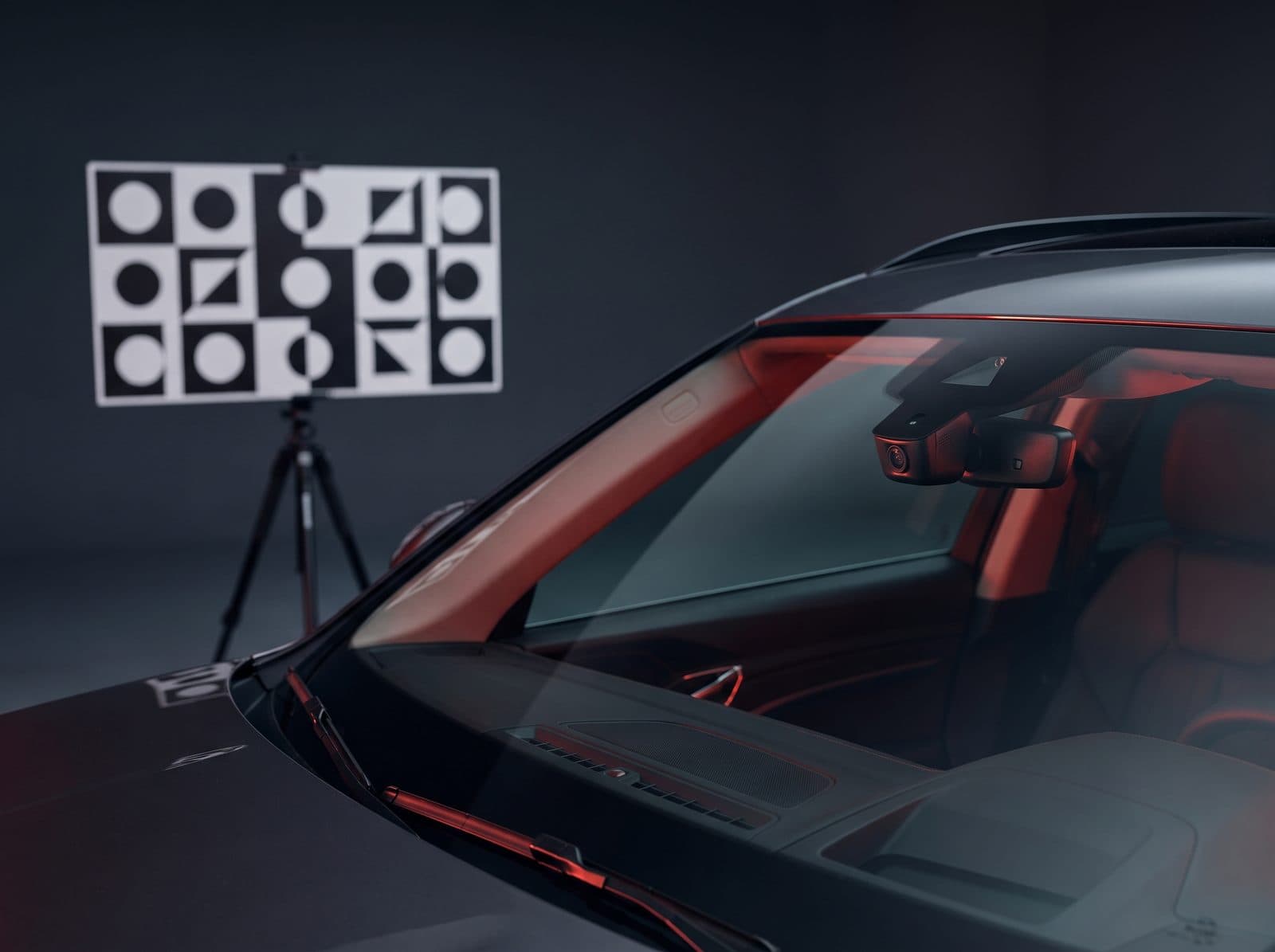
Modern Chevrolet vehicles are equipped with Advanced Driver Assistance Systems (ADAS) that rely on cameras and sensors mounted directly to the windshield. When the windshield is replaced, these systems must be recalibrated to function correctly. Skipping calibration can lead to safety features that misjudge distance, miss lane markings, or fail to react in time, putting you at risk on the road.
Chevy Safety Assist Features That Require Calibration
Many Chevrolet models come equipped with Chevy Safety Assist, a suite of standard active safety features that includes Automatic Emergency Braking, Forward Collision Alert, Front Pedestrian Braking, Lane Keep Assist with Lane Departure Warning, Following Distance Indicator, and IntelliBeam Auto High Beam Headlamps. Each of these features relies on the forward-facing camera mounted behind the windshield. After a Chevrolet windshield replacement, the camera position changes slightly, and recalibration ensures it accurately measures distance, lane lines, and surrounding objects.
Static and Dynamic Calibration
Some Chevrolet models require static calibration, which is performed using targets and measuring equipment in a controlled setting. Others require dynamic calibration, which is performed by driving the vehicle at a specified speed over a stretch of well-marked road. Many newer Chevys, including certain Silverado, Tahoe, Suburban, Equinox, and Traverse models, require both. Bang AutoGlass performs the correct calibration type for your specific Chevrolet model so every safety system operates to factory-accurate standards after the replacement.
Does Insurance Cover Chevrolet Windshield Replacement in Arizona or Florida?
Many auto insurance policies cover windshield replacement, and in some states, comprehensive coverage includes zero-deductible glass coverage. If your insurance policy covers windshield damage, your Chevrolet windshield replacement may cost very little or nothing at all out of pocket. We work with all major insurance providers and can help you understand exactly what your coverage includes.
If you haven't filed a claim yet, we can assist you with the process by providing the information you need and walking you through the steps. We help you with the insurance claim from start to finish and make the process as smooth as possible. Once your claim is approved, we coordinate directly with your insurance company for billing so you don't have to deal with reimbursement paperwork after the job is finished.
Arizona
A.R.S. § 20-264
Insurers must offer zero-deductible full glass coverage — when your policy includes it, windshield replacement is often $0.
Florida
Fla. Stat. § 627.7288
With comprehensive coverage, Florida waives the deductible for windshield replacement — windshield only.
General info, not legal or insurance advice — coverage varies by policy. We confirm your exact coverage free before any work.
How Much Does Chevrolet Windshield Replacement Cost?
The cost of a Chevy windshield replacement depends on several factors, including the model, year, trim level, and the presence of features like rain sensors, heated wiper park areas, heads-up display projection zones, acoustic glass, solar tinting, and ADAS components. A windshield for a base Chevrolet Spark, for example, will typically cost less than a windshield for a fully loaded Silverado HD with HUD and full Chevy Safety Assist.
We provide upfront pricing once we confirm your vehicle's specifications, so there are no surprises along the way. If you're filing an insurance claim, we'll let you know exactly what your out-of-pocket cost, if any, will be before we begin the work.
Glass features & sensors
Rain sensors, acoustic layers, HUD zones, and embedded antennas change which part fits your build.
Model year & body style
The same model can carry different glass across years and trims — we match the exact part to your VIN.
ADAS calibration
Camera-equipped windshields need recalibration after replacement — a service we perform ourselves, in the same visit.
OEM-quality sourcing
Glass manufactured to the same specifications as the factory part, matched to sensor brackets and tint band.
With the right coverage, your out-of-pocket is often $0 — we verify your coverage free and file the claim.
General info, not legal or insurance advice — coverage varies by policy. We confirm your exact coverage free before any work.
Get your Chevrolet glass quote
We verify coverage before any work — next-day in most areas.
New appointments 24/7 · Our team confirms every request.
OEM-Quality Materials for Your Chevrolet
The materials used in a Chevrolet windshield replacement matter just as much as the installation itself. At Bang AutoGlass, we use OEM-quality windshields that meet or exceed the specifications of the original glass installed on your Chevy. This includes proper laminated glass thickness, accurate sensor mount locations, correct frit band designs, and matching acoustic or solar-tinted properties when applicable.
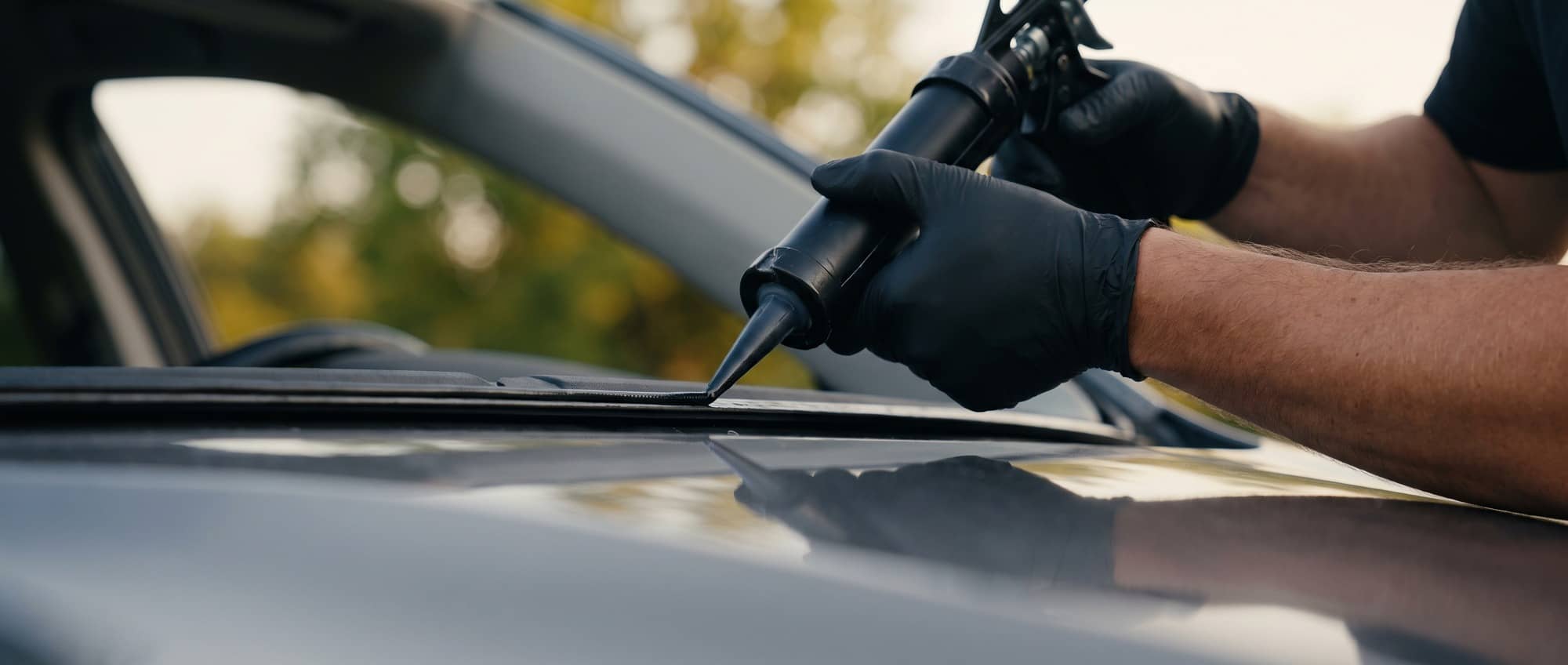
We also use premium automotive urethane adhesives that meet Federal Motor Vehicle Safety Standards. This adhesive is what bonds your Chevy windshield to the vehicle frame, and it plays a critical role in cabin structural integrity, passenger airbag deployment, and roof crush protection during a rollover. By pairing OEM-quality materials with high-performance adhesives, we make sure your Chevrolet is every bit as safe after the replacement as it was the day it rolled off the lot.
Why Choose Bang AutoGlass for Your Chevrolet Windshield Replacement
When it comes to replacing the windshield on your Chevrolet, the quality of the glass, the precision of the installation, and the integrity of the bonding process all play a critical role in your vehicle's long-term performance. Every Chevy windshield replacement at Bang AutoGlass is performed by a trained mobile technician who understands the unique engineering of Chevrolet vehicles. From the bonded urethane standards used to seal the glass, to the calibration requirements for advanced driver assistance systems, we follow factory-aligned procedures so that your replacement meets the same standards as the original installation that came off the GM assembly line.
Customers throughout the area choose us because we offer next-day Chevrolet windshield replacement appointments, transparent pricing, mobile service at the location of your choice, and a lifetime workmanship warranty backing every install. We also bring everything needed directly to you — your home, your office, or your jobsite — so you don't have to rearrange your day, line up a ride, or sit in a shop waiting room. Most Chevy windshield replacements take just 30 to 45 minutes to complete, followed by a one-hour safe drive-away time so the urethane adhesive can fully cure.
Lifetime Workmanship Warranty on Every Chevrolet Windshield Replacement
Every Chevrolet windshield replacement we perform is backed by a lifetime workmanship warranty. That means for as long as you own your Chevy, we stand behind the quality of our installation. If you ever experience an installation-related issue — such as a leak, wind noise, or a trim concern — we'll address it with no out-of-pocket cost when your coverage applies to you.
This warranty reflects our confidence in both the OEM-quality materials we use and the technicians who perform the work. We don't cut corners on Chevrolet auto glass replacement, and our lifetime workmanship warranty is our way of putting that commitment in writing for every customer we serve.
Chevrolet windshield replacement — common questions
Still have questions? Call (877) 994-5277 or see all FAQs.
How long does a Chevrolet windshield replacement take?
Most Chevrolet windshield replacements take about 30-45 minutes to complete, plus time for the adhesive to set — about an hour is typical, and your technician confirms the exact safe drive-away time. If your Chevrolet has a safety camera, ADAS calibration adds about 15-30 minutes.
What materials are used for Chevrolet windshield replacement?
Every Chevrolet windshield replacement uses OEM-quality glass and materials, backed by a lifetime workmanship warranty. You get the same quality and durability as a shop, delivered to your location.
Is Chevrolet windshield replacement covered by insurance?
With comprehensive insurance coverage, most Chevrolet windshield replacements are fully covered with nothing out of pocket. We help you start your claim if needed, and in Florida, the state deductible waiver often means you pay zero.
Can I drive my Chevrolet right after windshield replacement?
You should wait about 1 hour after completion for the adhesive to cure before driving your Chevrolet. Our technician will let you know exactly when it's safe to go.
Where we do Chevrolet auto glass
Bang AutoGlass is a mobile auto glass company serving Arizona and Florida. We don't have a shop you drive to — we come to your home, your job, or wherever the car is sitting, with next-day appointments in most areas. In Arizona that means the whole Valley — Phoenix, Mesa, Scottsdale, Chandler, Gilbert, Tempe, Glendale and out to Tucson and Prescott. In Florida we cover Tampa Bay, Orlando and Miami, from St. Petersburg and Clearwater across to Kissimmee, Winter Park and Fort Lauderdale.
Browse every city we serve in Arizona and Florida, or read how coverage works under Arizona's glass statutes and Florida's § 627.7288.
Windshield Replacement — cities we serve
4.7★ on Google · 350+ reviews from AZ & FL drivers
“Highly recommend. This business was so helpful to me when I got a crack in my windshield. Daniella was super efficient and thorough. She actually called my insurance company for me and the whole process was really fast. The replacement itself was done the next day.”
“Bang AutoGlass was fantastic from start to finish. They replaced my windshield twice and were consistently quick, responsive, and easy to work with. Super friendly team, great communication, and truly amazing service overall. Highly recommend.”
“The company kept me informed throughout the entire process and were very accommodating in setting up a convenient appointment to change my windshield. The installer was very efficient and detail oriented. The installation was fast and my vehicle was left clean when finished.”
Need Chevrolet windshield replacement?
We come to you across Arizona and Florida — often $0 with insurance.