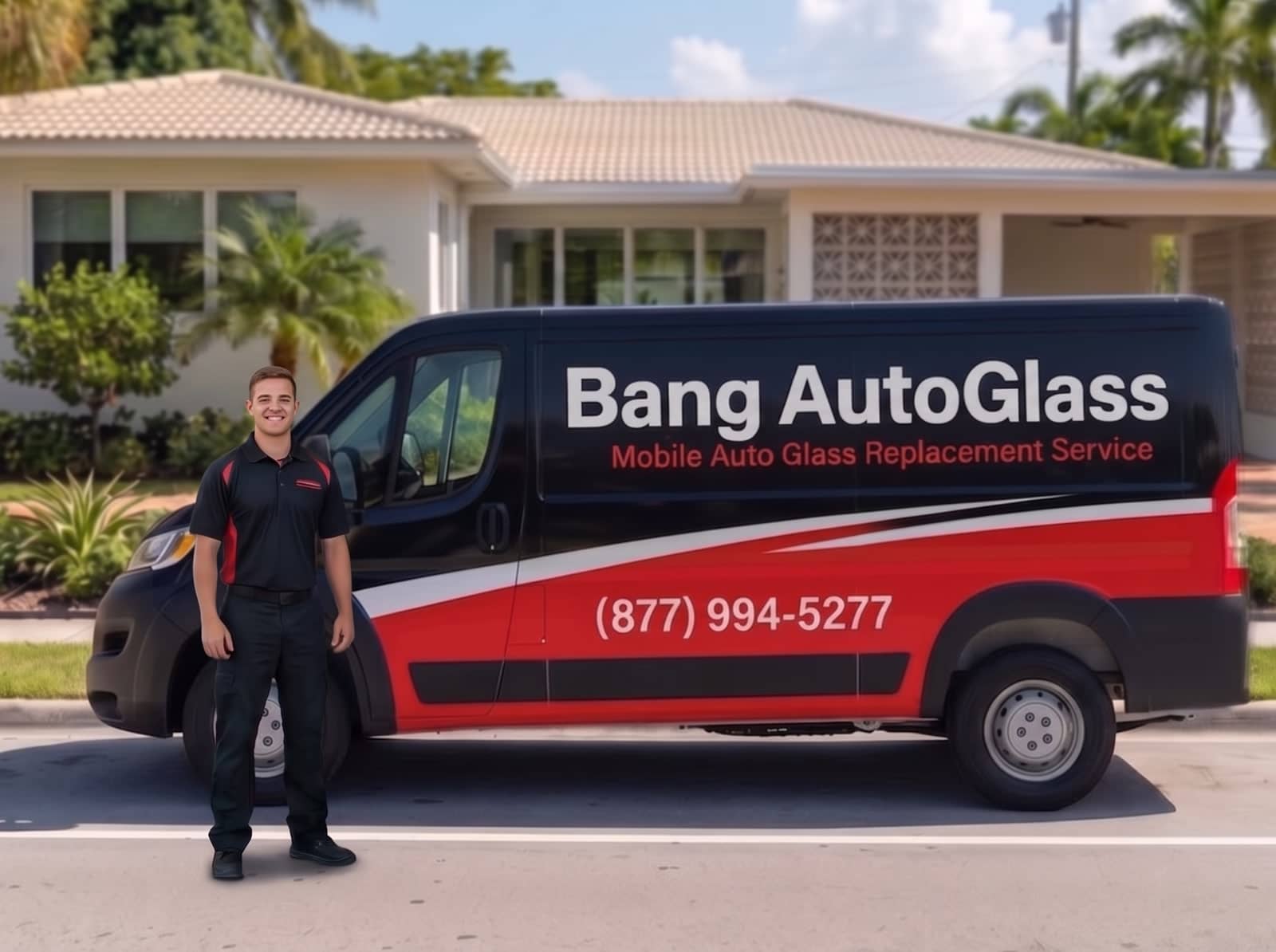
Porsche Quarter Glass Replacement
Bang AutoGlass replaces Porsche quarter glass on Cayenne, Macan, Panamera, and Taycan with OEM-fit tempered safety glass set in fresh urethane for a watertight, factory-matched seal. Mobile service in Arizona and Florida includes careful trim handling, exact alignment, and lifetime warranty.
Porsche Quarter Glass Replacement: Expert Mobile Service Done Right
Owning a Porsche is about more than just driving; it's about precision engineering, refined aesthetics, and a level of craftsmanship that demands the same standard from every repair and replacement performed on your vehicle. When it comes to Porsche quarter glass replacement, cutting corners simply isn't an option. The quarter glass on a Porsche may be smaller than the front windshield or door windows, but it plays a critical role in your vehicle's appearance, sound insulation, weather sealing, and overall structural geometry. At Bang AutoGlass, we deliver expert Porsche quarter glass replacement service backed by OEM-quality materials, factory-grade installation techniques, and a lifetime workmanship warranty that gives every Porsche owner total peace of mind.
What Is Porsche Quarter Glass?
Quarter glass refers to the smaller window panels typically located toward the rear of your Porsche, positioned behind the rear doors on SUVs and sedans or just behind the main side windows on coupes and sports cars. On most Porsche models, the quarter glass is a fixed, bonded panel held in place by automotive-grade urethane adhesive and surrounding trim. Unlike door windows that roll up and down, quarter glass remains stationary and is engineered to fit flush with your Porsche's bodylines, contributing to the sleek silhouette that defines the brand. Because the quarter glass is precision-fit to each specific model, replacement requires not only the correct OEM-quality glass but also expertise in trim removal, adhesive curing, and proper alignment to prevent wind noise, water leaks, and rattling once the vehicle is back on the road.
Why Porsche Quarter Glass Replacement Demands Specialized Expertise
Porsche vehicles are built with tighter tolerances and more sophisticated engineering than typical passenger cars. A misaligned quarter glass on a Cayenne, a poorly cured seal on a 911, or an off-spec replacement on a Panamera can lead to wind whistling at highway speeds, moisture seeping into the cabin, interior trim damage, and even electronic issues if antennas or sensors are integrated into the glass. Our technicians understand the model-specific demands of Porsche quarter glass replacement, including how to handle laminated versus tempered panels, how to manage privacy-tinted glass, and how to work around delicate interior trim pieces that must be removed and reinstalled without scratches, gaps, or stress marks. Because Porsche owners expect their vehicle to feel showroom-new after any service, we approach every quarter glass replacement with the precision the brand was built on.
Model-Specific Considerations for Porsche Quarter Glass
Every Porsche model presents its own quirks when it comes to quarter glass replacement, and our team is prepared for each one.
Porsche 911 Quarter Glass Replacement
The Porsche 911, across generations including the 996, 997, 991, and 992, features small quarter glass panels positioned just behind the door windows on each side. These panels are bonded directly to the body and contribute to the iconic 911 fastback profile. Replacement on a 911 requires careful removal of the rear-side trim and meticulous urethane application to maintain the airtight seal that keeps cabin noise low at speed and preserves the unmistakable 911 silhouette.
Porsche Cayenne Quarter Glass Replacement
The Cayenne, Porsche's flagship SUV, has rear quarter glass panels located behind the rear passenger doors. These panels are larger than those on the 911 and often feature factory privacy tint. On certain Cayenne trims, the quarter glass may also house antenna lines for radio or GPS reception, which must be matched correctly during replacement. Our technicians ensure both fitment and functionality are restored exactly as Porsche intended for every Cayenne, Cayenne S, GTS, and Turbo configuration.
Porsche Macan Quarter Glass Replacement
The Macan's rear quarter glass is sculpted to follow the SUV's aggressive shoulder line and tapered roofline. Replacement requires precision installation to prevent any visual gap or wind noise that could detract from the Macan's refined driving experience. We source OEM-quality quarter glass for all Macan generations, including base, S, GTS, and Turbo trims, so the finished install looks indistinguishable from factory.
Porsche Panamera Quarter Glass Replacement
The Panamera sport sedan features a uniquely shaped rear quarter glass that flows into its tapered greenhouse design. Because the Panamera is engineered for grand touring at high speeds, an improperly installed quarter glass can produce noticeable wind noise and disrupt the cabin's refined acoustics. Our team uses model-specific techniques to ensure the new glass sits perfectly flush and the seal cures completely before the vehicle returns to the road.
Porsche Boxster and Cayman Quarter Glass Replacement
The Boxster and Cayman feature smaller quarter glass panels that contribute to the targa-style and coupe profiles defining these mid-engine sports cars. Whether you drive a 718 Boxster, 718 Cayman, or an earlier generation, we have access to the correct OEM-quality glass and the experience to install it without damaging surrounding trim, paint, or the precise body lines Porsche enthusiasts know so well.
Porsche Taycan Quarter Glass Replacement
As Porsche's all-electric performance sedan, the Taycan demands meticulous attention during any glass replacement. Quarter glass on the Taycan integrates with the vehicle's aerodynamic profile, and any imperfection in installation can affect noise levels, cabin sealing, and overall efficiency at speed. Our mobile technicians handle Taycan quarter glass replacement with the same care given to any high-performance EV on the market today.
Common Causes of Porsche Quarter Glass Damage
Porsche quarter glass can be damaged in a variety of ways, and understanding the cause often helps when filing an insurance claim or planning the repair. The most common reasons Porsche owners need quarter glass replacement include break-in attempts where thieves target the smaller, more isolated quarter window rather than risking detection at the larger door windows, road debris and rock impacts that strike the side of the vehicle at highway speeds, vandalism and parking-lot incidents that leave the rear-side glass cracked or shattered, falling tree branches or storm-related debris during severe weather, stress cracks caused by extreme temperature changes or pre-existing chips that grow over time, and accidental impact from other vehicles or stationary objects in tight spaces such as garages, valet parking, or narrow city streets. No matter the cause of your Porsche quarter glass damage, Bang AutoGlass is equipped to handle the replacement quickly, cleanly, and to factory standards.
Signs You Need Porsche Quarter Glass Replacement
Sometimes the need for quarter glass replacement is obvious, like when the glass is shattered or has fallen out completely. Other times the damage is more subtle but still requires prompt attention. Watch for these warning signs on your Porsche:
- Visible cracks, chips, or shattered sections in the quarter glass panel
- Water leaking into the cabin near the rear-side area after rain or a car wash
- Wind noise or whistling sound coming from the quarter glass area at highway speeds
- Loose or rattling glass that shifts when you close a door firmly
- Foggy moisture trapped between the trim and the glass indicating a failed seal
- Peeling tint film or stress lines around the perimeter of the panel
If you notice any of these symptoms on your Porsche, scheduling a quarter glass replacement sooner rather than later can prevent further damage to your interior, electronics, and surrounding trim. Small issues with quarter glass tend to grow quickly, especially in extreme temperatures or after exposure to high-speed driving conditions.
Our Mobile Porsche Quarter Glass Replacement Process
One of the biggest advantages of choosing Bang AutoGlass for Porsche quarter glass replacement is that we come to you. As a fully mobile auto glass service, we bring the shop to your home, office, or any location of your choosing. There is no need to drive a vehicle with damaged glass to a brick-and-mortar shop, deal with rental cars, or rearrange your entire day around an appointment. Our process begins with a quick consultation where we confirm your Porsche's year, model, and trim to ensure we source the correct OEM-quality quarter glass. We then schedule a next-day appointment whenever possible, arriving at the agreed location with every tool, adhesive, and material needed for the job. Our technicians carefully remove any necessary interior trim, weatherstripping, and old urethane residue, prep the bonding surface, and install the new quarter glass with professional-grade adhesive. Typical Porsche quarter glass replacement takes 30 to 45 minutes, followed by approximately 1 hour for the urethane adhesive to cure before the vehicle should be driven. Throughout the process, we treat your Porsche with the respect a vehicle of its caliber deserves.
OEM-Quality Materials for Every Porsche Quarter Glass Replacement
When you replace the quarter glass on a Porsche, the quality of the glass and adhesive matters enormously. Bang AutoGlass uses OEM-quality quarter glass panels that match the original factory specifications for thickness, tint, curvature, and any integrated features such as antenna lines or solar coatings. Paired with high-grade urethane adhesive, our replacement glass restores the structural and acoustic properties of your Porsche so that it looks, feels, and drives exactly the way it did before the damage occurred. We never substitute generic or off-spec glass that could compromise your vehicle's appearance, sealing, or long-term resale value, because Porsche owners deserve more than a one-size-fits-all approach to auto glass.
How Long Does Porsche Quarter Glass Replacement Take?
For most Porsche models, the actual quarter glass replacement takes between 30 and 45 minutes from start to finish. After the new glass is installed, we ask that you allow approximately 1 hour for the urethane adhesive to cure before driving the vehicle. This curing time is essential for ensuring a secure, leak-free, and lasting bond between the glass and your Porsche's body. Total appointment time, including setup, replacement, and curing, is typically under two hours from start to finish. Because we work mobile, you can continue with your day, work from home, or handle other errands while our technicians complete the job at your location. There is no waiting room, no shuttle service to arrange, and no disruption to your routine.
Insurance Claim Assistance for Porsche Quarter Glass Replacement
Quarter glass damage on a Porsche is often covered under the comprehensive portion of your auto insurance policy, sometimes with little or no deductible depending on your state and provider. If you have not yet filed a claim, Bang AutoGlass is happy to assist you through the process. We help you with the insurance claim from start to finish and make the process as smooth as possible. Once your claim is approved, we can coordinate directly with most major insurance carriers so that billing is handled smoothly and you avoid out-of-pocket surprises wherever possible. Our goal is to make the entire experience as easy and transparent as possible, especially because filing an insurance claim for the first time can feel intimidating.
Lifetime Workmanship Warranty on Every Porsche Quarter Glass Replacement
Every quarter glass replacement we perform comes with a lifetime workmanship warranty. This means that for as long as you own your Porsche, if anything related to our installation work goes wrong, such as a leak, a poor seal, a rattle, or a faulty bond, we will return to fix it at no additional cost. This warranty reflects our confidence in the quality of our materials, our technicians, and our process. Porsche owners deserve a glass replacement service that stands behind its work for the long haul, and Bang AutoGlass delivers exactly that with every appointment we complete.
Why Porsche Owners Choose Bang AutoGlass
Choosing the right auto glass company for your Porsche is about more than just price. It is about trust, expertise, and consistency. Porsche owners across our service area choose Bang AutoGlass for our mobile convenience that brings expert service directly to your home or office, our next-day appointment availability so you do not have to wait days for a fix, our OEM-quality glass that maintains your vehicle's original look and feel, our lifetime workmanship warranty backing every installation, our transparent communication and insurance claim assistance, and an attention to detail that respects the value of your Porsche. We understand that a Porsche is not just a car; it is an investment, a piece of engineering history, and a daily reminder of why driving matters. Our team treats every quarter glass replacement with the same precision and care that Porsche engineers built into the vehicle from the very first day it rolled off the assembly line.
Scheduling Your Porsche Quarter Glass Replacement
Scheduling your Porsche quarter glass replacement with Bang AutoGlass is simple and fast. Reach out by phone or through the quick contact form on this page, share your Porsche's year, model, and the side of the vehicle where the damage is located, and we will confirm pricing and source the correct OEM-quality glass. In most cases, we can have a technician at your location the very next day. We serve a wide mobile service area and travel directly to your home, workplace, or any preferred location at no extra hassle to you. The sooner you schedule, the sooner your Porsche is back to looking and performing the way it should.
Frequently Asked Questions About Porsche Quarter Glass Replacement
Is Porsche quarter glass tempered or laminated?
Most Porsche quarter glass panels are tempered safety glass, though certain models and trims may use laminated glass for additional sound insulation and security. Our team identifies the correct glass type for your specific Porsche before scheduling the appointment so the replacement matches factory specifications exactly.
Can I drive my Porsche immediately after quarter glass replacement?
We recommend waiting approximately 1 hour after installation to allow the urethane adhesive to cure properly. Driving too soon can disturb the bond, compromise the seal, and lead to issues like wind noise or water intrusion down the road.
Will replacement quarter glass affect my Porsche's resale value?
Not when the work is done correctly with OEM-quality materials and professional installation. Our replacement work is designed to match factory standards in every detail, preserving the appearance and integrity that contribute directly to your Porsche's resale value.
Do you replace tinted Porsche quarter glass?
Yes. Many Porsche models come from the factory with privacy-tinted rear quarter glass, and we source replacement panels that match the original tint level. If you have aftermarket tint film, we recommend re-tinting after the new glass is installed and the adhesive has fully cured.
What if my Porsche quarter glass has an antenna line?
Several Porsche models integrate antenna lines into the rear quarter glass for radio or GPS reception. Our OEM-quality replacement glass includes the correct antenna configuration to restore full functionality once the install is complete.
Porsche quarter glass replacement is a job that rewards precision, patience, and proper materials. At Bang AutoGlass, we bring all three to every appointment, ensuring that your Porsche returns to factory-level fit, finish, and performance the moment we drive away. Schedule your mobile Porsche quarter glass replacement today and experience the difference that expert, Porsche-specific service makes.
Frequently asked questions
What is quarter glass and why does it need replacement?
Quarter glass is the small, fixed window behind the rear door on your Porsche. It needs replacement if cracked or shattered by impact, weather, or debris, since it cannot be repaired.
How long does Porsche quarter glass replacement take?
The replacement itself takes about 30–45 minutes to complete. The adhesive then needs time to set — about an hour is typical, and your technician confirms the exact safe drive-away time. Plan for about 1.5–2 hours total.
Will my Porsche quarter glass replacement be covered by insurance?
Most comprehensive insurance policies cover glass damage. Many drivers in Florida and Arizona pay nothing out of pocket depending on their policy, and we can help you file or start your claim.
What warranty comes with my Porsche quarter glass replacement?
Every replacement is backed by a lifetime workmanship warranty and uses OEM-quality glass and materials, ensuring durability and a perfect fit for your Porsche.
Where we do Porsche auto glass
Bang AutoGlass is a mobile auto glass company serving Arizona and Florida. We don't have a shop you drive to — we come to your home, your job, or wherever the car is sitting, with next-day appointments in most areas. In Arizona that means the whole Valley — Phoenix, Mesa, Scottsdale, Chandler, Gilbert, Tempe, Glendale and out to Tucson and Prescott. In Florida we cover Tampa Bay, Orlando and Miami, from St. Petersburg and Clearwater across to Kissimmee, Winter Park and Fort Lauderdale.
Browse every city we serve in Arizona and Florida, or read how coverage works under Arizona's glass statutes and Florida's § 627.7288.
Mobile auto glass — cities we serve
4.8★ on Google · 350+ reviews from AZ & FL drivers
“I needed my windshield replaced and they made the entire process easy. Bang AutoGlass is the best!”
“Top-notch auto glass service. They handled my windshield replacement quickly and professionally.”
“Bang AutoGlass made my windshield replacement simple from start to finish.”
Need Porsche Quarter Glass Replacement?
We come to you across Arizona and Florida — often $0 with insurance.
We reply within minutes during business hours.